Back to the Basics of Marketing

Over the last couple of months, I’ve used this Wednesday blog slot to talk about a lot of different things.  Many of them have been marketing related, and many of them have been inspired by topics that self-publishing authors may find useful before the marketing process begins––for example, my series on e-readers––but I’d like to step back, if you will join me, and refocus on what has traditionally made Wednesdays on Self-Publishing Advisor unique.

earlobe

I’d like to take us back to the basics of marketing for self-publishing authors.  Where does an author new to self-publishing get started?  How might an experienced indie author re-infuse a lackluster marketing campaign with new energy and more effective strategies for self-promotion?  This is the heart and soul, the real meat, of what I want to get at here.

The first order of business is, of course, to listen:

  • What topics would you like me to cover here?

  • Where are your marketing methods running into trouble, and …

  • Where are they succeeding?

  • Where do you turn for advice and resources for self-promotion?

My first instinct is, of course, to launch us back into this subject with a defense of marketing for self-publishing authors, but … let’s face it: we’re already here.  We’re already convinced that we need to sell our books, and we’re already fully aware that the heavy lifting falls on us as authors to make that happen.  What’s useful––what’s really useful––is information on how to make marketing better, or more effective.  Easier.  We want, and need, the tips and tricks of the trade, without having to waste time on trial and error in a world (and a market) that waits for no man or woman.

And no, there’s never going to be a day when publishing and selling a book is as easy as clicking a button and sending it into the aether––for indie authors as well as traditionally-published authors––despite what all of the corporate jingles and advertisements would have us believe.  There’s never going to be a day where we don’t have to pay for publication, whether we’re talking about sacrificing years of our time before release as well as our rights and royalties (as with traditional publishing), or whether we’re talking about sacrificing years of our time and energy after release to marketing and self-promotion (as with self-publishing), or whether we’re talking about sacrificing money to skip the lines but retain the professional marketing campaign (as with hybrid publishing).

There’s always a cost … but the payoff is worth it.  We have to remember that.  You have to remember the fact that there’s a book inside of you that needs to be read, that could indeed change someone’s life.  And it will change your life, too, to know that your book is out there in the world and exists in a universe outside of your own mind.  And that book is worth reading.  It’s worth buying.

The trick is in getting the word out there.  The trick is to raise awareness.  And that is exactly what I’m going to help you do in the coming weeks as we dive back into the deep end of the Marketing Maelstrom that is … your life as a newly minted self-published author!


Thank you for reading!  If you have any questions, comments, suggestions, or contributions, please use the comment field below or drop us a line at selfpublishingadvice@gmail.com.  And remember to check back each Wednesday for your weekly dose of marketing musings from one indie, hybrid, and self-published author to another. ♠

KellyABOUT KELLY SCHUKNECHT: Kelly Schuknecht is the Executive Vice President of Outskirts Press. In addition to her contributions to the Outskirts Press blog at blog.outskirtspress.com, Kelly and a group of talented marketing experts offer book marketing services, support, and products to not only published Outskirts Press authors, but to all authors and professionals who are interested in marketing their books and/or careers. Learn more about Kelly on her blog, kellyschuknecht.com.

In Your Corner : On Marketing


importance of marketing

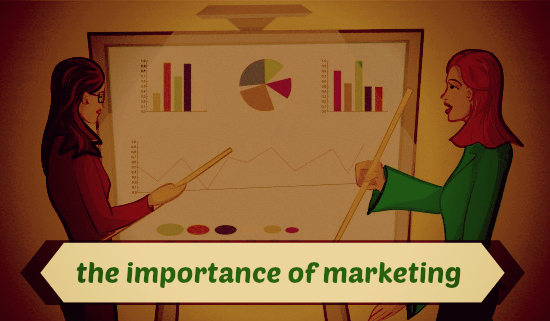
Marketing, for the self-publishing author, is a many-headed hydra and prompts endless questions and dilemmas.  Major publishing houses have plenty of time and money to throw into marketing (although they would argue otherwise), particularly in comparison to you or me and any other self-publishing author out there.  They hire people whose entire careers revolve around taking care of the marketing process for their A-list authors, an enviable prospect because all we really want to do is write more books, right?  And yet, instead, we have both the blessing and the burden of running our own publicity campaigns.

Sometimes, I wake to a new day packed full with plans and routines to balance against each other, and I wonder:

  1. Aren’t we always told that the hardest part of writing a book is writing the first paragraph?  (Whoever says such things has clearly never attempted to tackle the tricky beast of self-promotion.)
  2. Are there ideas I can steal from others about how to be more effective, so that I have more time to spend on what I actually love?  (Which is, of course, writing.)
  3. Who gave the world permission to make me wake up to an empty coffee pot?

In all seriousness, though: the way we approach marketing, as self-publishing authors, matters.  Because it’s not optional.  It’s not something we can get away without doing.  We won’t sell books, and we won’t make room in our lives for the next book, either, if we don’t give some of our time over to marketing.

As Gareth Howard over at Infinity Publishing puts it: “Would you bake a delicious cake and not even eat it?  Would you revise for important exams and not bother sitting them?  Would you book an exotic vacation only to stay at home, wasting that precious deposit?”  The answer is, of course, no.  No, you wouldn’t want to waste the precious time and energy you’ve invested in crafting a beautiful manuscript–you want it to be read.  You want your ideas to reach your readers!  And sadly, we still haven’t figured out a way to guarantee authors that their books will just magically sell once they’re published.  There’s still a vital legwork and elbow-grease component to the whole thing.

You do, thankfully, have an advantage over the enormous publishing houses with their big budgets and their paid professionals: You can make it personal.  You can lend the marketing process a human touch, and you can take advantage of the most effective means of self-promotion known to humankind: your existing social network.  You can also pick the things you do well, and reach out for professional help (with a shout-out to my day job) only when you really need it.  The key is, of course, being prepared to work and work hard to achieve your marketing goals.

Others here on the SPA blog have written about marketing before, and have presented a number of ideas on how we can all be more effective at self-promotion as self-publishing authors.  This holiday season, however, I’d like to issue a specific challenge to you (and myself!): Let’s figure out the next workable, manageable, and sustainable step that we can use to bolster our existing strategies.  It’s no good if we have lofty goals that we never reach, so let’s be specific even while we’re also being optimistic.  I bet you my best unsharpened pencil that we can do better in 2016!

There is, of course, a danger in all of this:

Once we acknowledge just how important marketing is, the process has a tendency to take over our lives and erode away all semblance of spare time we might have.  Fortunately, there are a whole host of resources out there for you–to get you started, and to help you along once you’re already partway down the path.  And of course, I’m here for you too–and the SPA email as well as comments section is always open to lend you a listening ear.

You’re not alone. ♣︎

ElizabethABOUT ELIZABETH JAVOR: With over 18 years of experience in sales and management, Elizabeth Javor works as the Manager of Author Services for Outskirts Press. The Author Services Department is composed of knowledgeable publishing consultants, pre-production specialists, customer service reps and book marketing specialists; together, they all focus on educating authors on the self-publishing process to help them publish the book of their dreams. Whether you are a professional looking to take your career to the next level with platform-driven non-fiction or a novelist seeking fame, fortune, and/or personal fulfillment, Elizabeth Javor can put you on the right path.

In Your Corner : The lonely road to self-publication

The road to self-publication is many things, and “frightening” can certainly register as one of those things, especially when you throw the word “lonely” into the mix.  Maybe it’s because we’re human beings and we’re hardwired to crave the affirmation and support that community brings, but there are few expressions in the English language that hold as much potential to inspire fear as “striking out on my own” or its close cousin, “in uncharted territory.”  And while it’s true that there are many other people out there self-publishing these days, there’s no exact way to translate that “head knowledge” into “heart knowledge” if it hasn’t been made real to us in personal experience––which is one of the reasons, I think, why digital communities hold so much potential for the self-publishing author.

frightened

Chances are that you or I will run across few others who will choose to self-publish over the course of our lifetimes, so where else are we going to turn for feedback or even for some basic know-how than the internet?  Blogs like Self Publishing Advisor and hybrid self-publishing companies like Outskirts Press provide important bridges to a successful and meaningful self-publishing experience for those of us who find ourselves stymied or at a loss, or even just lonely.

In this, my first post here, I’d first like to clear the air: it’s completely alright to be scared to self-publish.  Your feelings, whatever they happen to be, are one hundred percent valid.  My job, both as a contributor to this blog and––separately––as Manager of Author Services for Outskirts Press, is to be your ally, cheer squad, sounding board, and advocate all at the same moment.  Everyone faces discouragement at some point when bringing a big project through from its beginning stages to its final execution and delivery, and self-publishing is no different.  But the challenges you’ll face or are already facing must be addressed as the specific things that they are, peculiar to your own individual experience.

There is no such thing as a cookie-cutter self-publishing experience.  But there are such things as insecurity, and fear, and trepidation.  These feelings are real, no matter what the reality of the situation is and whether they are built upon a factually accurate perception of what’s going on with your book.  And I can’t change what you feel simply by telling you “things are otherwise than how you see them in this moment.”  I’m lucky enough to have the (hopefully unbiased and wholly objective) perspective of someone whose work hinges upon being able to honestly and earnestly remind authors they’re not alone, and to simply be there, time and time again, when the authors I work with need someone in their corner.

It doesn’t hurt that I work for a company I really believe in.  As an employee at Outskirts Press, I don’t have to fudge on the details to make a sales pitch: we really are there to help authors before, during, and after publication.  Authors really do get to keep their profits, they’re really not stuck waiting for agents to like their books enough to publish them, and they really, truly, are not alone … even when it comes to the marketing process, which can often feel like the most isolating part of the whole experience, as the post-publication phase requires self-publishing authors to take responsibility for the course of their own careers in ways that more traditional avenues don’t.

Outskirts Press aside, self-publishing is now more common than traditional publishing––even though, sometimes, it certainly doesn’t feel like it.  (And there are a whole host of reasons why perception doesn’t line up with reality on this one, many of which can be traced back to the traditional publishing industry and its stranglehold on media outlets and therefore the larger public conversation.)  Self-publishing authors have a collective voice that resonates much more clearly now than it used to, maybe, but we still face an uphill battle when it comes to dealing with those fears and insecurities I mentioned earlier.  I’m here for you, though, and every week here on SPA I will keep on affirming your decision to self-publish and backing up those affirmations with a veritable onslaught of cold hard inspiring and encouraging facts, data, anecdotes, and proofs that I’ve amassed over a lifetime of experience in the self-publishing industry.  I hope you’ll check in every Thursday, and use the comments section, below, to ask questions and respond with your own insights.

You’re not alone. ♣︎

ElizabethABOUT ELIZABETH JAVOR: With over 18 years of experience in sales and management, Elizabeth Javor works as the Manager of Author Services for Outskirts Press. The Author Services Department is composed of knowledgeable publishing consultants, pre-production specialists, customer service reps and book marketing specialists; together, they all focus on educating authors on the self-publishing process to help them publish the book of their dreams. Whether you are a professional looking to take your career to the next level with platform-driven non-fiction or a novelist seeking fame, fortune, and/or personal fulfillment, Elizabeth Javor can put you on the right path.

From the Archives: “The Importance of Distribution in Self Publishing”

Welcome back to our new Tuesday segment, where we’ll be revisiting some of our most popular posts from the last few years.  What’s stayed the same?  And what’s changed?  We’ll be updating you on the facts, and taking a new (and hopefully refreshing) angle on a few timeless classics of Self Publishing Advisor.

∗∗∗∗∗

[ Originally posted: April 6th, 2010 ]

If a publisher focuses on discounts to an author who buys their own book in bulk, that often communicates two things. 1) That publisher is more concerned with selling to you than to other readers. 2)  The publisher is charging you too much for lower quantities. Do you really want to be forced to buy 100 books at a time just to get a fair price? “Bulk” discounts simply trick the author into buying more books than they need, which defeats the whole advantage of on-demand printing.

I’ve seen many authors go down that road, and then end up with lots of books sitting in their garage or basement that no one knows about, because the distribution piece is missing.  The power of the on-demand printing and EDI distribution offered in custom self-publishing take advantage of wholesale availability via multiple sales channels including Amazon, Barnes & Noble, Borders, Baker and Taylor, and Ingram—North America’s largest distributor.  Look also to see that your book is available through I-Page, the book ordering system available at over 25,000 bookstores and retail chains world-wide.

Do look also for a publisher that will sell your book to you at a special author discounted price as well.  It’s never a bad idea to have access to an inventory to compliment your virtually endless on-demand inventory.

The power of distribution when paired with flexible pricing creates an advantageous sales combination for the self-publishing author.

distribution

There’s no easy way to sell books, but as this post back in 2010 points out, there’s no point to purchasing in bulk if you can’t actually move the copies into the hands of your readers.  And as the original post expounds, an effective means of distribution remains absolutely essential in order to steer clear of stocking your basement and not those same readers’ bookshelves.

So how do you distribute books?  Word-of-mouth can work, certainly, as is illustrated by the extraordinary case of Christopher Paolini, although one might argue that his case is only extraordinary because it was eventually “discovered” by the traditional publishing industry and afterwards became a massive hit.  Paolini only relied on word-of-mouth and his own ardent self-marketing methods for a short while, when looking at the total “life cycle” of his Inheritance series.

It seems that selling through an online distributer is perhaps the way to go, especially when those distributers (namely, Amazon and Barnes & Noble) come with all of the might and power of a massive international company.  There are certainly some extraordinary benefits to taking advantage of their systems, toward which end many hybrid publishing companies (such as Outskirts Press) provide packages geared specifically to exploit.  And their digital distribution platforms, while perhaps too bulky to be truly “cutting edge,” do have all of the perquisite customer support and technical maintenance that you could wish for.  There’s always an upside to walking down a path that many others are also walking down.  (I’m thinking specifically of user how-to guides and FAQ forums, here––since I take advantage of those, and often.)

The ultimate point is, however, not to rely on making bulk purchases of your own book as an author, even with the possibility of an author discount.  You want readers to be connecting some of the dots themselves, and buying through these (socially networked and easily findable) ecommerce platforms instead of only through you.  If you are the only person who is selling your book, then that creates a kind of bottleneck for sales.  Diversifying who sells your book and where it can be found is a vital component of any effective self-marketing strategy.  ♠

KellyABOUT KELLY SCHUKNECHT: Kelly Schuknecht is the Executive Vice President of Outskirts Press. In addition to her contributions to the Outskirts Press blog at blog.outskirtspress.com, Kelly and a group of talented marketing experts offer book marketing services, support, and products to not only published Outskirts Press authors, but to all authors and professionals who are interested in marketing their books and/or careers. Learn more about Kelly on her blog, kellyschuknecht.com.

From the Archives: “Using Listmania to Promote your Self-Published Book”

Welcome back to our new Tuesday segment, where we’ll be revisiting some of our most popular posts from the last few years.  What’s stayed the same?  And what’s changed?  We’ll be updating you on the facts, and taking a new (and hopefully refreshing) angle on a few timeless classics of Self Publishing Advisor.

∗∗∗∗∗

[ Originally posted: August 22nd, 2008 ]

If your self published book is available on Amazon.com, there are a lot of ways to promote it.  Since Amazon sales should account for a large percentage of your overall book sales, this site is a good place to concentrate a lot of your efforts.

I’m going to tell you about creating a “listmania” list on Amazon. Have you ever noticed when you browse for something on Amazon, there are lists that are related to that subject that are mentioning other books and/or products?

By strategically listing products on your lists, (including YOURS of course), you can start to generate more traffic to your book listing.

Here’s how YOU can create just such a list:

Sign up for an Amazon Author Connect account if you don’t have one yet. Or sign-in to your current account.

Click on your personal “store” on the top tabs. Then select “Your Profile” from the sub-menu.

You will see lots of things you can personalize, including your bio and your online photograph.

But scroll down and you will see a section called “Listmania!” And this is where you create a listmania list.

Creating a Listmania List is a good way to increase exposure for your book.

Obviously, you want to ensure that your book is on your list.

But the real trick to a successful Listmania list depends upon the OTHER books you put on your list, the ones written by other people.

There are two ways to go about it.

1 – Adding books to your list that are applicable to your subject. The idea behind this concept is easy — if someone reads your list because they were browsing a similar book, they’ll be more apt to buy YOUR book because they’re interested in the subject.

2 – On the other hand, you can add very popular books to your list, since more people may have a chance of seeing it, even if fewer of them will be interested in your book.

I recommend creating multiple lists and trying different tactics to see which is more successful. Amazon lets you track the number of times your list was viewed. Use these numbers to create better lists in the future.

If you have more specific questions about creating a listmania list, the Amazon FAQ will help you.

Amazon Listmania

So here’s the thing: Listmania doesn’t really exist anymore!  Back in 2013, Amazon ceased offering support and guidance on using the Listmania interface, and it was entirely dismantled and rendered unusable over the months following.  (Adrienne Dupree over at Leave The Corporate World Behind even wrote a lovely little lament to mark its final passing.)  And this fact means that, on the one hand, we have to throw the baby out with the bathwater when it comes to our original post … but on the other hand, this presents the perfect opportunity to present you with new and fresh ways of utilizing Amazon for your self-promoting and self-marketing ends (as a self-publishing author).

First, we need to break down exactly what Listmania offered the average author.  Essentially, this featured compiled lists–and this makes sense, given its name–but it was not to be confused with Amazon’s wish lists, gift lists, and registries, or even Goodreads’ Listopia lists (which still exist).  These lists were designed to focus a reader’s attention on products that were similar or in some way related to products that a customer had already been viewing. By strategically listing popular products on your lists, including your own book, you were–in theory–able to generate more traffic to your book listing when people viewed your Listmania lists.  This brings us full circle to that one key word I’ve been lobbing around a lot lately: findability.  An Amazon Listmania list was supposed to render you and your book more findable, but to many people it remained just another one of the giant retailer’s many algorithmic mysteries.

And yet … findability remains important.  There simply are better ways of going about it!

Here are my top 3 recommendations for filling that gaping hole in your heart once occupied by Amazon Listmania:

  1. Start a Pinterest page.  Not just any Pinterest page, mind.  (And I’ve written about Pinterest recently in depth, so I won’t make like a broken record and repeat myself too much here.)  Whip up a Pinterest page (or “pin” to a “board”) where you collect together other books along with other somehow related objects that your ideal reader might want to purchase.  For example, someone who reads Hugh Howey’s Wool might want to pick up some tickets to tour the Titan Missile Museum outside of Tucson, or perhaps some Wool-inspired art prints.
  2. Create a public Amazon Wishlist.  This is easy to do, and it serves much the same function as a Listmania list–only, you’ll have to do a touch more legwork to advertise the list’s existence, since these wishlists aren’t necessarily designed to be searchable.  For more information, hop on over to the Amazon how-to page for wishlists, and peruse at your leisure.  Each wishlist is shareable across any platform you might wish, and you can snag a web link to copy and paste into emails or Twitter, Tumblr, Facebook, Instagram, or any other kind of social media feed you can imagine.
  3. Take a stab at an entirely new social media platform.  The reason why Listmania disappeared is that nobody was using it, or at least, too few people were using it to make it worth Amazon’s efficiently allocated time to advertise and maintain.  It had a function, but it wasn’t one that really connected with Amazon’s user base.  To make yourself findable these days, you must needs throw yourself into the post-millennial age, and go where your readers are.  I’m not necessarily an advocate of just trying anything–you should always do a little cross-demographic market research to see if your readers actually are the sort who use Snapchat or Instagram or Tumblr or Twitter–but as a good friend told me last week, “Just doing what you’ve always done and expecting things to improve is a special kind of lunacy. Sometimes you have to innovate.”  So–innovate, with calm but cautious optimism. ♠
KellyABOUT KELLY SCHUKNECHT: Kelly Schuknecht is the Executive Vice President of Outskirts Press. In addition to her contributions to the Outskirts Press blog at blog.outskirtspress.com, Kelly and a group of talented marketing experts offer book marketing services, support, and products to not only published Outskirts Press authors, but to all authors and professionals who are interested in marketing their books and/or careers. Learn more about Kelly on her blog, kellyschuknecht.com.