Friday Conversations With A Self-Publishing Writer 3/07/14

Is It An Introduction, a Foreword or a Preface?

When talking with a new client about her thoughts for a non-fiction book—bantering ideas about the best way to move forward—we came upon a method I’d not tried before: Write the Foreword First.  With her extensive notes in place and the belief that research will be minimal, she (and I) now needed to grab hold of the CORE of her story.  I translate this as the Concentrated, Organized Reflection of the Essence of what she wants to communicate to her readers.  Although this task was not as easy as we both expected, we now have a solid understanding of where we’re going.  This is exciting because she has her self-publishing plans already in place and we know this book will be in the hands of readers very soon!

For all authors, it is essential to understand this CORE of what they are writing or the book will traipse along so many rabbit trails readers will be lost.  So defining the difference between an Introduction, a Foreword and a Preface is extremely useful.

  • An Introduction does exactly what the dictionary says: it gives an outline or overview of what to expect in the book.  The author writes this to inform the readers about what they will discover on the following pages.  Most every textbook and/or scholarly book will use this method, which I compare to an Index in prose form.
  • A Foreword is usually written by someone other than the author; someone who has read the manuscript, supports the theme or thesis, and is happy to encourage readers to take us this book and READ IT.  Adding their “name” to the credibility of the contents is an excellent benefit to the author in the areas of respect and confidence as well as enhancing marketability.
  • THE PREFACE, however, is my favorite form to use.  It is also the most personal.  The author has the opportunity—in these few paragraphs—to open the reader’s imagination to the heart of what they will find in the book.  It goes beyond the “telling” of details by using words that inspire the reader and lets them know that what is      written on these pages will benefit them in ways they did not expect.

Here are a few questions for authors to answer when creating one of these opening statements:

  1. WHY does a reader pick up or consider buying a book in the first place?  They want to know, “WHAT will this book GIVE me?”  Textbook information?  Escape?  Emotional Support? Etc.
  2. What is it about your book that “makes a difference” as compared to other books in the same genre and/or topic category?  Have you lived the experience?  Are you an expert in the field?
  3. TALK to that one reader who will most benefit from what you’ve written.  Speak to what is happening in their lives.  Let them know that this material IS USEFUL and relevant to and for them at this very moment.

Remain keenly aware that the writing you do for these paragraphs is usually the third place a reader looks when making the purchase decision (the cover and back cover being first and second).  If this does not grab their attention, all the work you’ve put into the creation of this book will not find its way home with them.  Whoever your publishing team is, seek their expertise in making sure this Introduction, Foreword, or Preface is the best it can be!

Royalene ABOUT ROYALENE DOYLE: Royalene Doyle is a Ghostwriter with Outskirts Press, bringing more than 35 years of writing experience to authors who need “just a little assistance” with completing their writing projects. She has worked with both experienced and fledgling writers helping complete projects in multiple genres. When a writer brings the passion they have for their work and combines it with Royalene’s passion to see the finished project in print, books are published and the writer’s legacy is passed forward.

Weekly Self-Published Book Review: Blessings from Mary

Book reviews are a great way for self-publishing authors to gain exposure. After all, how can someone buy your book if he or she doesn’t know it exists? Paired with other elements of your book promotion strategy, requesting reviews is a great way to get people talking about what you’ve written.

When we read good reviews, we definitely like to share them. It gives the author a few (permanent) moments of fame and allows us to let the community know about a great book. Here’s this week’s book review by Midwest Book Review:

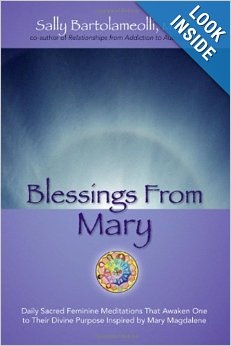
 blessing from mary

Blessings from Mary

Sally Bartolameolli

Publisher: Outskirts Press

ISBN: 9781432751586

Spirituality is not something you take a vacation from. “Blessings from Mary” is a collection of Christian spiritual musings for everyday life, with a meditation for every day of the year, and encouraging all readers to absorb the fine sacred feminine principles into their lives. “Blessings from Mary” is a fine read for Christian spirituality, highly recommended.

5 Ways to Promote Your Book in March

March is National Reading Month and Small Press Month. This makes it the perfect month to focus on promoting your book. Here are five ways you can promote your self-published book in March.

1. Read Across America Day

March 3 is National Read Across America Day, also known as Dr. Seuss Day. This is the perfect opportunity for children’s authors to promote their book. Schedule a reading at a local school, library, or bookstore. You can also get creative and host a Read Across America event for adults.

2. St. Patrick’s Day

Holidays are always a great opportunity to promote your book. Even if your book has nothing to do with St. Patrick’s Day, you can get creative with your marketing plan. Perhaps, host a St. Patrick’s Day give away or schedule a St. Patrick’s Day event. For instance, you could schedule a book signing, wear your favorite green shirt, hand out some Irish potatoes to your guests, and promote your book while “celebrating.”

3. Bologna Children’s Book Fair 2014

Bologna Children’s Book Fair will be held March 24-27. It is the most important international event dedicated to the children’s publishing and multimedia industry. Last year, the event had about 1,200 exhibitors coming from 75 countries and 25,000 international professional trade representatives. To learn more, visit http://www.bookfair.bolognafiere.it/en/the-fair/895.html.

4. Book Expo America 2014

Book Expo America will take place May 19-31. It is the #1 book and author event  that offers the book industry access to new titles,  authors, and education about the publishing industry. BEA is the best place to  discover new titles and upcoming books and meet face to face with favorite and  up and coming authors. To learn more, visit http://www.bookexpoamerica.com/.

5. Schedule an interview or book signing event

People won’t buy your book if they don’t know it exist, so schedule an event  that will help you connect with readers and gain some press for your book. Two great options are a radio interview or book signing event. Start by contacting local radio stations or bookstore to set up the event.

I’d love to know, how do you plan to promote your book in March?

ABOUT KELLY SCHUKNECHT: Kelly Schuknecht is the Vice President of Outskirts Press. In addition to her contributions to the Outskirts Press blog at blog.outskirtspress.com, Kelly and a group of talented marketing experts offer book marketing services, support, and products to not only published Outskirts Press authors, but to all authors and professionals who are interested in marketing their books and/or careers. Learn more about Kelly on her blog at http://kellyschuknecht.com.

Self-Publishing Week in Review: 3/04/14

As a self-publishing author, you may find it helpful to stay up-to-date on the trends and news related to the self-publishing industry. This will help you make informed decisions before, during and after the self-publishing process, which will lead to a greater self-publishing experience. To help you stay current on self-publishing topics, simply visit our blog every Tuesday to find out the hottest news.

Outskirts Press capitalizes on the self-publishing trend with iPad edition eBooks

Outskirts Press has announced a new eBook publishing solution for self-publishing authors who want to offer books through the Apple iBooks Store. Called the Standard Apple iPad Edition, the solution is one of many the company offers self-publishing authors of both print and digital books.

People-Powered Publishing Is Changing All the Rules

This piece is part of Mashable Spotlight, which presents in-depth looks at the people, concepts and issues shaping our digital world. It talks about how self-publishing has changed as well as other factors that are influencing the publishing market.

Twitter Tips for Writers

Social media is a great way for self-publishing authors to promote their books. These three videos will teach you how to use Twitter to sell more books.

If you have other big news to share, please comment below.

ABOUT KELLY SCHUKNECHT: Kelly Schuknecht is the Vice President of Outskirts Press. In addition to her contributions to the Outskirts Press blog at blog.outskirtspress.com, Kelly and a group of talented marketing experts offer book marketing services, support, and products to not only published Outskirts Press authors, but to all authors and professionals who are interested in marketing their books and/or careers. Learn more about Kelly on her blog at http://kellyschuknecht.com.

How to Promote Your Self-Published Book During Small Press Month

Since March is Small Press Month, now is a great time to promote your self-published book! Celebrate Small Press Month by doing something to promote your book every day during the month of March. Here are some ideas to get you started.

March 1 – Order extra author’s copies to have on hand as you work through these promotion tips.

March 2 – Contact other independent published authors in your area and combine your resources to fully exploit the opportunities during this month. With the advent of social networking sites, this is easier than ever. In fact, your publisher may already have a group on sites such as Facebook and Twitter.

March 3 – Contact your local bookstores and suggest they offer discounts on Small Press books this month. Bring in yours and offer it to them at a discount to get them started.

March 4 – Contact your local newspapers and inform them of Small Press Month. Suggest they write a small article or events calendar for Small Press events in the area. Tell them you will be sending them a press release.

March 5 – Send a press release to the local media (newspapers, radio, television) mentioning Small Press Month and your independently published book. Be sure to mention any events you are hosting or participating in.

March 6 – Follow-up on your press release from yesterday with the local media via telephone. Reiterate Small Press Month, your planned events in the community, and your Small Press book. Send them a review of your book so they can use it as a foundation.

March 7 – If you haven’t yet published your book, today is the day to start. Research self-publishing companies and choose a company that finds your needs.

March 8 – Contact your local libraries and suggest they feature Small Press titles, including yours. Offer to leave a free copy with them. Also, leave a sales sheet.

March 9 – Send out review copies of your book. If you need help getting started, contact your self-publishing company. They may offer resources to help you.

March 10 – Contact local schools in your area and tell them about Small Press Month. Mention that you are a local published author and offer to speak to their assembly about how to accomplish their dreams of being published. This is particularly effective if you have a children’s book you can then sell after the assembly.

March 11 – Contact local universities and colleges. Same concept as yesterday — promote yourself and your book by sharing your knowledge of how to write a book and get it published. Have copies of your book available to sell.

March 12 – Schedule a seminar or teleseminar on “How to Write and Publish a Book” and offer a “Small Press Month” discount on the registration fee. Send out a local news release about your class.

March 13 – Contact other sales channels outside of the bookstore that may be likely to sell your book. This may include websites related to your book’s topic, gift stores, hardware stores, grocery stores, boutiques, etc. Look at your book and ask yourself where your readers may be shopping.

March 14 – Contact local art studios, design boutiques, or other small independent businesses in your area. Give them the opportunity to share in co-op on some advertising initiatives (plus, if applicable, offer to conduct some events in their venues).

March 15 – Join with other independently published authors and arrange a co-op advertisement in the local media, using any dollars secured from local businesses you spoke with on the 14th. In addition to simply promoting your book, promote your upcoming events. The other authors can join in the events, which may lead the bookstores to be more interested in scheduling it.

March 16 – Contact all the local radio producers in your area and pitch them on Small Press Month.

March 17 – Make sure your online Amazon.com listing is all it can be. Do you have a Kindle Edition for your book? Is your book participating in Search Inside the Book? Do you have your Book Video trailer playing from your Amazon blog?

March 18 – Contact the major newspapers (New York Times, USA Today, Wall Street Journal, and Washington Post) about Small Press Month. They’re likely to write up something if enough authors contact them, and you will want to be among the piles of information they have received.

March 19 – Contact your local community center and inform them of Small Press Month. If you have gathered a band of local authors, this will be more effective. Schedule an impromptu event, celebrating Small Press books.

March 20 – This may be the month to switch publishers if you have published elsewhere. Look at the publisher you chose and ask yourself: Is your retail price too high? Is your profit too low? Is your author’s copy price too high? Are your marketing options too costly?

March 21 – Small Press Month is just one month out of 12. Prepare for other book events, like the London Book Fair, Book Expo of America, Beijing, and Frankfurt.

March 22 – If you haven’t already done so, create a social networking account on Twitter, Facebook, MySpace, and LinkedIn. Start using these sites to promote yourself, your book, and your events.

March 23 – Contact the Learning Annex (or similarly themed Adult Education Program) in your area and offer to teach a class on the subject of your book. As a published author, you are qualified to teach on your subject since you are an expert. Your book may even be required reading for each student.

March 24 – Start writing online reviews through Amazon. Write reviews for every book you have ever read. Mention that you are the author of your book at the bottom of each posted review. If people like the writing style of your review, they may investigate your book, especially if you write reviews for books within the same genre as yours.

March 25 – Contact the public libraries in each state and mention your involvement with Small Press Month. Send them information about your book. Here’s a link that will get you started: http://www.publiclibraries.com/

March 26 – Start preparing for April (National Poetry Month), especially if you have a volume of poetry you have published.

March 27 – Help other writers you know get published and earn a 10% commission for the referral after their book is published. Contact your self-publishing company to see if they have an affiliate program.

March 28 – Start a blog and keep it active and up-to-date. Register it with blog directories so others start reading it and participating. There are many blog programs to help you get started. Conduct a search on Google to find the one that works for you.

March 29 – Submit your published book to the Google Merchant Center.

March 30 – Publish a “Large Print” edition of your book. With the world’s demographics growing older, “large print” editions are becoming more and more popular. Featuring 14 or 16 point fonts, these editions appeal to the aging community because they are easier to read. This will help you increase your revenue and double the effectiveness of your marketing initiatives.

March 31 – Take a breath. It’s been a busy, productive month.

ABOUT JODEE THAYER: With over 20 years of experience in sales and management, Jodee Thayer works as the Manager of Author Services for Outskirts Press. The Author Services Department is composed of knowledgeable customer service reps and publishing consultants; together, they all focus on educating authors on the self-publishing process in order to help them publish the book of their dreams. Whether you are a professional looking to take your career to the next level with platform-driven non-fiction or a novelist seeking fame, fortune, and/or personal fulfillment, Jodee Thayer can put you on the right path.