Three Types of Copyediting Services Available to Self-Published Authors

Every author needs an editor. No matter how great of a writer you are, it is impossible to review your own writing objectively. Because you know your story and writing style so well, it is too easy to overlook simple mistakes or inconsistencies. Plus, copyediting requires special skills. Copyeditors are experts in the Chicago Manual of Style (and other style manuals). They not only look for grammar and spelling when they review your manuscript, but they also make sure your manuscript meets your industry’s publishing standards. This is essential if you want your book to be taken seriously.

When hiring a copyeditor, you will need to decide what level of editing is best for your manuscript. Often the editor (or editorial staff, if you are hiring through a company) will review your manuscript and tell you which level of editing is best for your book. Before beginning this process, it is a good idea to understand the various levels available to you. Here are the three types of copyediting services available to self-published authors.

Basic Copyediting

Basic copyediting is a good choice for authors whose primary concern is correction of style and mechanics. Basic editing does not include fact checking, sentence restructuring, or suggestions to improve flow, aesthetics, or voicing. Corrections you can expect with basic editing include:

• Typographical errors

• Misspelled words

• Grammatical errors

• Punctuation

• Homophone confusion

• Style consistency

• Standardization of spelling and capitalization

• Consistency of specific or repeated references

This is the most popular level of editorial service and is appropriate for all genres.

Moderate Copyediting

Moderate editing is a good choice for authors who would like to improve the flow and aesthetics of their work as well as improve the basic style and mechanics of their manuscript. Moderate editing will usually include restructuring of awkward sentences, elimination of redundancies, and attention to inconsistencies of tone or voicing. Moderate editing often includes some fact checking, such as confirmation of brand names, proper names of historical figures or locations, etc.

This level of editing can be tailored to your particular needs or concerns. If you are not sure whether your manuscript needs moderate editing, talk to the editor or editorial staff. They can look at your manuscript and make suggestions based on common mistakes they see.

Extensive Editing

Extensive editing includes mechanical and style corrections as well as sentence restructuring, attention to aesthetics, and some fact checking. More than any other type of editing, extensive editing is custom-designed to meet the specific needs of your manuscript and your goals as an author. Extensive editing may include project development, such as tracking and critiquing story arc and character development. If your project is nonfiction, you may want your editor to give input as to the effectiveness of your organization or the strength of your arguments. Your editor may give reader commentary as well as mechanical and style corrections.

Extensive editing is often a good choice for first-time authors who have not had a chance to workshop a manuscript with a writing group. It can also be an excellent choice for authors who are too close to their subject matter to objectively assess the effectiveness of their writing – a challenge experienced by many memoir writers. Extensive editing can also be an acceptable solution if English is not your native language, in which case your manuscript may require a higher level of text polishing.

If you are interested in copyediting services, there are many ways to find great copyeditors. One option is to find out if your self-publishing company offers copyediting services. You can also search for copyeditors online, post a project listing, or ask for references.

I’d love to know, which level of copyediting do you plan to purchase for your self-published book?
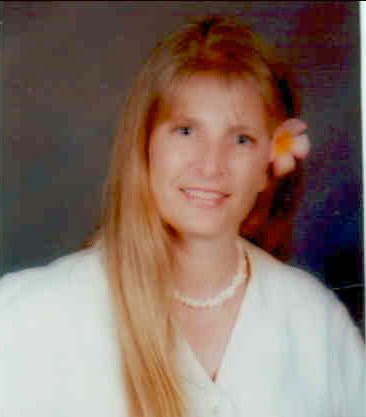
ABOUT JODEE THAYER: With over 20 years of experience in   sales and management, Jodee Thayer works as the Manager of Author Services   for Outskirts Press. The Author Services Department   is composed of knowledgeable customer service reps and publishing consultants;   together, they all focus on educating authors on the self-publishing process in order to help them publish the   book of their dreams. Whether you are a professional looking to take your   career to the next level with platform-driven non-fiction or a novelist   seeking fame, fortune, and/or personal fulfillment, Jodee Thayer can put you   on the right path.

4 Ways Self Published Authors Can Improve Their Blogs

One of the best ways to market yourself and your book is blogging. In fact, authors are now expected to have an online presence. Both readers and industry experts, such as agents and publishers, want to see that authors are building a platform online.

For some people, the idea of creating and maintaining a blog seems time-consuming and confusing. Afterall, a blog is only useful if it actually attracts readers and develops relationships. Here are four ways to improve your own blog.

1.) It is a two-way street. Links on other blogs and comments on your posts are two great ways to increase traffic, but you can’t just expect people to share your posts and comment on your page. One of the best ways to encourage interaction is to link to and comment on other bloggers’ posts. This will encourage the blog owner and their readers to check out your page, and they may decide to return the favor. However, make sure you aren’t spamming other bloggers. Only comment if you have something useful and honest to say. Never leave a comment just to include a link to your personal page.

2.) Be efficient. One of the keys to improving traffic is regularly updating content. However, most people don’t have time to update their blogs daily. You can save time and work more efficiently if you schedule your blogs. This way, you can write several posts at one time, but they will each publish on a separate day. Most blogging websites have this feature.

3.) Be professional. Always, always, always proofread your posts. If you aren’t good at grammar, pay someone else to proofread your posts. Readers want to read blogs by professionals not amateurs.

4.) Be patient. Great blogs don’t happen over night. It takes time to attract followers, build relationships, and figure out your personal style and voice. As long as you keep trying, you will continue to see your blog grow.

I’d love to know, what is your secret to creating a great blog?

ABOUT WENDY STETINA: Wendy Stetina is a sales and marketing professional with over 30 years experience in the printing and publishing industry. Wendy works as the Director of Author Services for Outskirts Press. The Author Services Department is composed of knowledgeable customer service reps and publishing consultants; and together, they all focus on educating authors on the self-publishing process in order to help them publish the book of their dreams. Whether you are a professional looking to take your career to the next level with platform-driven non-fiction, or a novelist seeking fame, fortune, and/or personal fulfillment, Wendy Stetina can put you on the right path.

Weekly Self-Published Book Review: The Mind of the Historian: Causation in Philosophy of History

Book reviews are a great way for self-publishing authors to gain exposure. After all, how can someone buy your book if he or she doesn’t know it exists? Paired with other elements of your book promotion strategy, requesting reviews is a great way to get people talking about what you’ve written.

When we read good reviews, we definitely like to share them. It gives the author a few (permanent) moments of fame and allows us to let the community know about a great book. Here’s this week’s book review by Midwest Book Review:

The Mind of the Historian: Causation in Philosophy of History

Ali Parsa

Publisher: Outskirts Press

ISBN: 9781432769222

Reviewer: Andrey Bilko

The compelling title “The Mind of the Historian”grabbed my interest right away. Writing history is a fascinating and extremely tough job, requiring the author to juggle the often blurry facts with appropriate analysis and creative commentary while refraining from inventing history as much as possible. Nevertheless, there are a multitude of influences,  like the atmosphere of the time and place when the story is retold or written, affecting the writing of history. It is crucial to understand the author and where he is coming from in order to correctly judge his work. Besides these points, the main goal of Dr. Parsa’s book is looking into the causes behind historical events. Finding the causality between events is the prime role of a historian. The interrelationships between events and people have to be presented and united in a way, which explains their progression from the start to the finish.

The question of causation is a philosophical one. What is causation in the first place? What is the most applicable definition? Philosophers, scientists, and historians have been pondering and offering their opinions on the subject for thousands of years. People like Aristotle, Isaac Newton, and David Hume, just to name a few, all presented certain theories. The truth lies somewhere amidst the clash between the scientific method, social science, and philosophy.

Besides introducing the reader to causation in the Western philosophy, the main focus of the book is causation in Islamic history, which is supported by the case study of the work “Zayn al-Akhbar” by 11th century Persian historian Gardizi. In addition, there is another chapter devoted to analysis of twelve other historians writings between the 9th and 13th centuries in the Islamic world. Dr. Parsa aims to dig deep into these historians’ minds, who represent a broad spectrum of the overall historian community.

“The Mind of the Historian” is based on a dissertation, which gives it some dryness in certain parts. However, considering the subject matter, it reads fairly smoothly. It is a must have for those interested in Perso-Islamic historiography and a curious read for someone wishing to learn more about historical writing.

The New Kindle Fire: The Next Hottest Thing in Publishing

In just two days (on September 14, 2012), the new Kindle Fire will be released. This handheld device will change the way people read and the way authors publish books. Here are a few of the details.

  • 40% faster performance, twice the memory, longer battery life
  • Perfect portability – thin, light, and durable
  • Over 22 million movies, TV shows, songs, magazines, books, audiobooks, and
    popular apps and games
  • Ultra-fast web browsing over built-in Wi-Fi
  • Free unlimited cloud storage for all your Amazon content
  • Kindle FreeTime – a personalized tablet experience just for kids. Set
    daily screen limits, and give access to appropriate content for each child. Free
    on every Kindle Fire.
  • Kindle Owners’ Lending Library – Kindle owners can choose from more than 180,000
    books to borrow for free with no due dates, including over 100 current and
    former New York Times best sellers and all seven Harry Potter books.
  • No Set-up Required
  • Read-to-Me — With Text-to-Speech, Kindle Fire can read English-language content out loud to you, when available from the publisher.
  • 1-Click Shopping

Readers are sure to love the convenience and upgraded technology offered by the Kindle Fire. Thanks to Kindle FreeTime, even children will be able to enjoy the hot , new device.

E-readers are already changing the way consumers buy and read books, and they are becoming increasingly popular. It is important that self-published authors offer a Kindle version of their books to meet the needs of readers who prefer using e-readers. By offering both a print and electronic version of your book, you can target a larger market and reach more customers. This will ultimately lead to more sales.

To learn more about the Kindle Fire, click here.

ABOUT KELLY SCHUKNECHT: Kelly Schuknecht is the Vice President of Outskirts Press. In addition to her contributions to the Outskirts Press blog at blog.outskirtspress.com, Kelly and a group of talented marketing experts offer book marketing services, support, and products to not only published Outskirts Press authors, but to all authors and professionals who are interested in marketing their books and/or careers. Learn more about Kelly on her blog at http://kellyschuknecht.com.

The Benefits of Copyediting for Self Published Authors

Every author, whether self-publishing or traditional publishing, needs an editor. Even authors who work as editors need another editor to review their manuscripts because they know their own writing too well to view it objectively. When you’re too familiar with your own work,  your eye naturally skips over typos and errors. Hiring a copyeditor ensures that all those easy to  make errors are caught.

Additionally, storytelling and expression are different skills from language mechanics. You may be a brilliant storyteller but lack expertise in formatting, punctuation, and book style: That’s where editing comes in. Your editor cleans up the details, while you focus on the creative aspects of your work.

Also, copyeditors look for more than just grammar and spelling errors. They are experts in different styles, such as Chicago style and AP style, and they look for consistency and adherence to style guidelines in your manuscript. If you want your book to be viewed as professional, it must meet the appropriate style guidelines.

When hiring a copyeditor, it is important to note that there are different levels and styles of editing. Basic copyediting is a good choice for many authors, but there are more in-depth editing services available as well. Stay tuned for my upcoming posts explaining the different levels of copyediting.

I’d love to know, why do you plan to hire a copyeditor?

ABOUT JODEE THAYER: With over 20 years of experience in   sales and management, Jodee Thayer works as the Manager of Author Services   for Outskirts Press. The Author Services Department   is composed of knowledgeable customer service reps and publishing consultants;   together, they all focus on educating authors on the self-publishing process in order to help them publish the   book of their dreams. Whether you are a professional looking to take your   career to the next level with platform-driven non-fiction or a novelist   seeking fame, fortune, and/or personal fulfillment, Jodee Thayer can put you   on the right path.