Using Your Own Self Publishing Company

There are many ways to self publish a book. Some of these options have associated costs, others don’t. As an author it is important to research all available options and choose the one that works best for you. Sometimes this may mean publishing under your own self-publishing company. After all, this will allow you to not only publish your own book but also the books of others.

There are many things to consider when “going it alone”. You have to consider whether you have the skillset to publish a book on your own, whether you will enlist the services of independent contractors, or if you will hire another self publishing company and publish the book under them using your name. Each of these have different costs (time/financial) associated with them, but they each come with their own benefits/rewards.

For example, at Outskirts Press, we allow authors to publish books under their own company name (aka an “imprint”) for a nominal fee. This allows you to enjoy all the flexibility that comes with publishing your book and books of other authors with all of the documentation pointing to your own company. We do all of the work, and you get all of the credit. Contact one of our Publishing Consultants if you’d like to learn more.

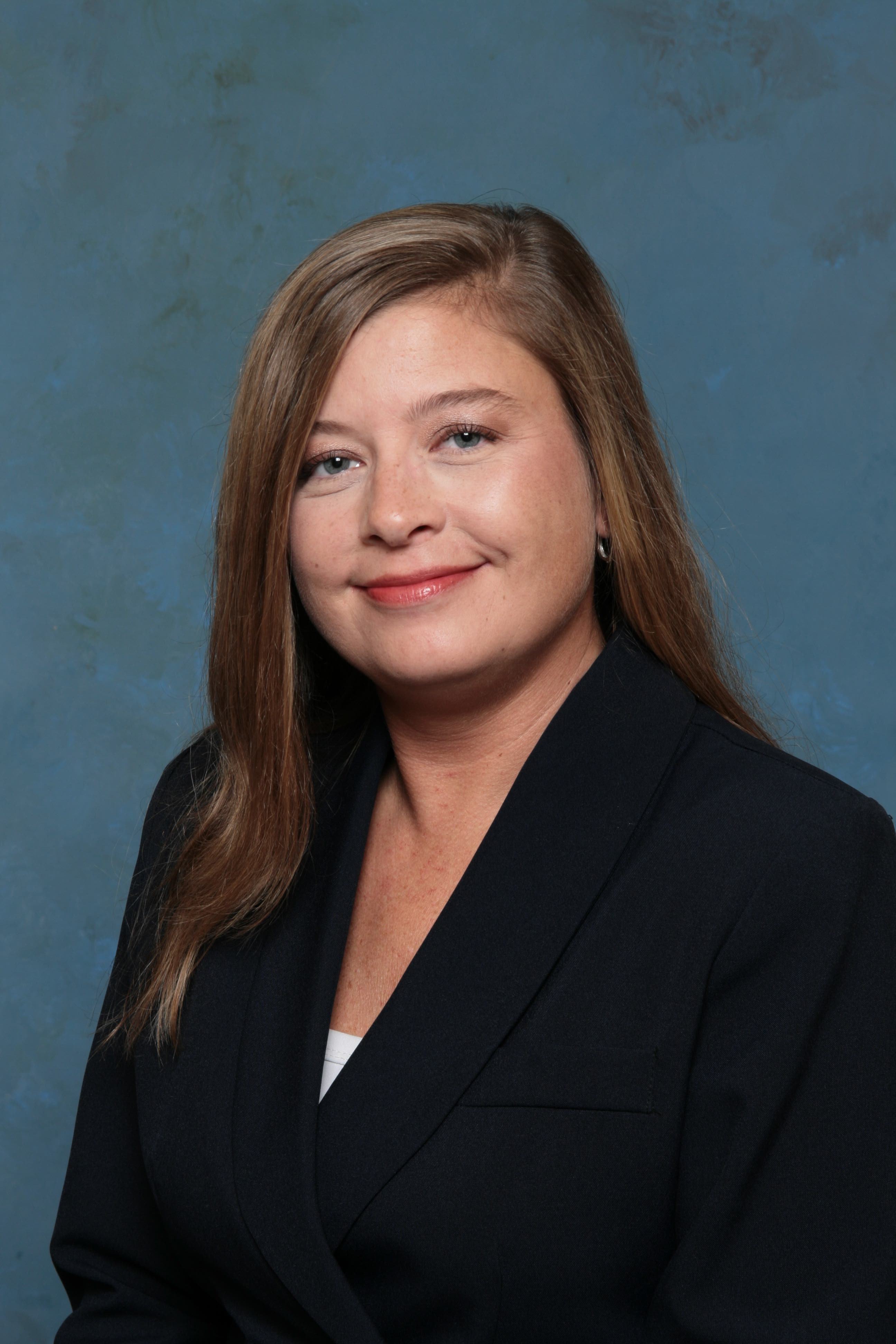
ABOUT WENDY STETINA:
Wendy Stetina is a sales and marketing professional with over 30 years experience in the printing and publishing industry. Wendy works as the Director of Author Services for Outskirts Press. The Author Services Department is composed of knowledgeable customer service reps and publishing consultants; and together, they all focus on educating authors on the self-publishing process in order to help them publish the book of their dreams. Whether you are a professional looking to take your career to the next level with platform-driven non-fiction, or a novelist seeking fame, fortune, and/or personal fulfillment, Wendy Stetina can put you on the right path.

Self Publishing Saturday: What Happened this Week?

On weekend mornings, I enjoy nothing more than reading the paper to find out what has happened this week (now I primarily read the news online) in one place without searching many places. With many “tweeps” (Twitter slang for “people”) using paper.li to put together information, you can keep track of things pretty easily. What if you don’t have a Twitter account? What about the sources the things that weren’t mentioned?

Here we aim to feature things that are going on in self publishing so that you don’t have to find out on your own. Plus, we want to share other resource with you so that you can be well-advised on the publishing process.

So, sit back, relax, and enjoy this week’s digest.

Have you written something our readers can benefit from this week? Post a link in the comments.

Is Marketing Your Own Book Distasteful?

Earlier this week I had the opportunity to speak with an author who is in the final stages of writing his book.  He was trying to get prepared for the publishing process and get an idea about how book marketing will work.  He made it very clear that he thinks an author marketing his own book is distasteful.  Once the book is published he wants to do absolutely nothing to promote it and wants to sell one million copies.  He asked if I thought this was reasonable.  In a word?  No.

As a self-published author, your marketing efforts are the most important thing when it comes to your book sales.  You could write and publish the most amazing fiction story with beautiful formatting, an eye-catching cover design, have it edited to perfection and available for sale (print-on-demand).  If at that point you choose to sit back and watch the sales grow without putting any effort into promoting your book, chances are there won’t be anything to watch.  Sure, someone might discover it and share it with a few friends and you might have a few sales here and there, but it is unlikely that your sales will gain momentum.

Is marketing your own book distasteful?

Not if it’s done right.  Constantly talking about yourself and your book can certainly be a turnoff for most people.  Subtly promoting your book is very different from constantly cramming it down everyone’s throat.  For example, if you are using social media platforms to promote your book (such as setting up a Facebook page for your book), you might choose to “like” other pages on Facebook that give you the opportunity to promote your book even more.  You can choose the distasteful (spam) route of posting a link to your own Facebook page, website or listing for your book on Amazon every day on those other pages.  OR you can present yourself as an expert in your field, whether it be as a writer, or something more specific to your niche audience, and get involved in conversations, comment on what others are saying and post your own unique comments and discussion questions.  You might ask: how does this promote the book?  As you begin to interact with people more, they will want to know more about you.  They might choose to “like” your Facebook page or visit your website (assuming you have a link to it on your Facebook page) and there they will discover your book.  Having already been won over by your excellent comments, advice and discussions, they are instantly interested in buying your book.

What if I’m not promoting my book online?

I gave an online marketing example above because marketing with social media is becoming more and more popular every day.  It’s easy and it’s free!  If you aren’t using social networking platforms such as Facebook and Twitter, the same idea applies for face-to-face marketing.  Every author should have business cards with their cover image on one side and their website URL included in their contact information.  If you pass out your business card to everyone you pass on the street, chances are the majority of those cards will get thrown in the trash.  The key is to give away your cards to people you’ve already engaged in conversation about your book (when the time is right).

So, is marketing your own book distasteful?  Absolutely not!  You need to find the balance when it comes to promoting your book.  Don’t cram it down anyone’s throat, but take the opportunities that come to you.  You don’t have to make marketing a full-time job, but you do need to make sure you are promoting your book as much as you can in order to increase your sales, if that is your ultimate goal.

DISCUSSION: How do you plug your book?

ABOUT KELLY SCHUKNECHT:
Kelly Schuknecht works as the Director of Author Support for Outskirts Press.  In addition to her contributions to the Outskirts Press blog at blog.outskirtspress.com, Kelly and a group of talented marketing experts offer book marketing services, support, and products to not only published Outskirts Press authors, but to all authors and professionals who are interested in marketing their books and/or careers. Learn more about Kelly on her blog at http://kellyschuknecht.com.

Self-Publishing Book Review of the Week: Russia’s Prestige by Kashif Parvaiz

Book reviews are a great way for self-publishing authors to gain exposure. After all, how can someone buy your book if they don’t know about it? Paired with other elements of your book promotion strategy, requesting reviews is a great way to get people talking about what you’ve written.

When we read good reviews, we definitely like to share them. It gives the author a few (permanent) moments of fame and allows us let the community know about a great book. So, without further ado, here’s this week’s book review:

Russia's Prestige book cover

Russia’s Prestige: Historical Architecture

Kashif Parvaiz

Publisher: Outskirts Press, Inc.

ISBN 9781432766115

Reviewed by: William Phenn for Reader Views

“This is a very complete and concise volume of Russian architecture by a very talented writer. Mr. Parvaiz does more than just describe the beautiful architecture that is portrayed in the book. He goes the extra mile by giving the reader an insight into the history of the building. Beginning with Cathedral of the Dormition, to the Qolsharif Mosque, the chapters are descriptive and detailed. There is even a glossary at the end of every chapter that enlightens the reader to the terms used in that chapter.

Such amazing structures as the Catherine Palace in the Tsarskoe selo (the Tsar’s private city) are described with such detail that shows the author did his homework. He goes beyond the usual descriptions of the brick and mortar to include the reasons for its existence. It is this type of research that the author has done that makes this book stand out from the crowd of the usual architectural books.

The pictures are black and white, as would be expected in a book of architectural structures that date back as far as these do but that does not hinder the quality. The writing is top-notch and keeps the readers interest with the in-depth background and history.

The way the information is presented, with an in-depth history of the structures, makes it very interesting reading for everyone. He brought out some historical events that I had never seen or heard of in other books. It is general audience reading and full of wonderful pictures of all the old Churches and Cathedrals that are described and discussed. The cover graphics are appealing and the editing is a welcome change from most I have read recently. I enjoyed Russia’s Prestige: Historical Architecture and gave it my highest mark of an A+.”

DISCUSSION: Are you trying to obtain book reviews as part of your overall book promotion strategy?

Alternative Book Marketing Methods Series: Partnering with Local Bookstores to Offer Groupon/Local Offer

There are many ways authors can market their books. Some of these include planning virtual book tours, scheduling book signings, distributing a press release, etc. However, many authors do these things. How can you reach an untapped market? How can you stand out from the crowd?

That’s why we decided to offer you the Alternative Book Marketing Methods Series. The goal of this series is to reveal and discuss possible success rates of marketing ideas that are a bit “different”. While there may be some authors that are already implementing these methods as a part of their overall book promotion strategy, these are not widely used and often can make the author stand out in the crowd.

Today’s tactic involves partnering with local bookstores to offer a deal for buyers of your book. There are several local deal sites out there, but the most popular is Groupon. Have you ever heard of them? On their website, they describe themselves as: “…an easy way to get huge discounts while discovering fun activities in your city. Our daily deals consist of restaurants, spas, massages, theaters, hotels, and a whole lot more, in dozens of cities across the country.”

Here’s a sample Groupon:

Groupon Example

How’s this for an idea? You contact a local independent bookstore and ask them about listing your book on consignment. In exchange, you can partner with them (split the cost) of offering a Groupon. A few ideas for the offer can be:

  • Save 50% on your purchase when you buy _______ (insert the title of your book here). You can vary the percentage to you and the store owner/manager’s liking.
  • Get _____ (the name of a popular book) for $5 when you buy _____ (insert the title of your book here). You can vary the money savings to you and the store owner/manager’s liking.
  • Get a gift certificate for $10 off your next purchase of $15 or more when you buy _______ (insert the title of your book here). You can vary the gift certificate amount to you and the store owner/manager’s liking.

These suggestions are just the tip of the iceberg. Be creative, think up some more creative ideas, and (most importantly), share them with us here. Happy marketing!