Spooky Self Publishing Statistics

Happy Halloween everyone! In honor of this spooky holiday, I want to share some self-publishing and industry statistics that may shock you. Don’t be afraid; just keep reading.

  • According to an Aptara survey, the trade publishing market segment (which includes fiction and non-fiction for children, young adults, and adults) has considerably increased its e-book output. The e-book production rate went from 50% to 76% during the last two years.
  • Amazon still generates the highest number of sales for trade publishers, according to Aptara.
  • According to BookStats 2012, Religion and Children’s/Young Adults showed strong growth while Children’s/YA ranked as the fastest-growing category in publishing in 2011.
  • Brick-and-mortar retail remains the #1 sales distribution channel for publishers in 2011, as it did in 2010, according to BookStats 2012.
  • According to Bowker, traditional print book output grew six percent in 2011, from 328,259 titles in 2010 to a projected 347,178 in 2011, driven almost exclusively by a strong self-publishing market.
  • According to a self-publishing resource on top earners, two-thirds of top self-publishing earners are women.
  • The average top earner spends 69% more time writing than the average author not categorized as a top earner.
  • Self-publishing authors who paid professionals for services like story-editing, copyediting and proofreading earned an average of 13% more than those who didn’t.
  • Hiring a professional cover designer earned top earners an average of 18% more.
  • Top earners had almost four times as many reviews for their most recent book than authors outside of the group.

Being knowledgable of book industry and self-publishing trends and statistics can help you make important decisions as a self-publishing author. For instance, these statistics show the value of hiring professionals such as copyeditors, receiving book reviews, offering your book in multiple formats and taking advantage of Amazon’s author services. The best way to become a successful self-publishing author is to learn from the success of those who have already succeeded.

I’d love to know, do these statistics impact your plans as a self-publishing author?

ABOUT JODEE THAYER: With over 20 years of experience in sales and management, Jodee Thayer works as the Manager of Author Services for Outskirts Press. The Author Services Department is composed of knowledgeable customer service reps and publishing consultants; together, they all focus on educating authors on the self-publishing process in order to help them publish the book of their dreams. Whether you are a professional looking to take your career to the next level with platform-driven non-fiction or a novelist seeking fame, fortune, and/or personal fulfillment, Jodee Thayer can put you on the right path.

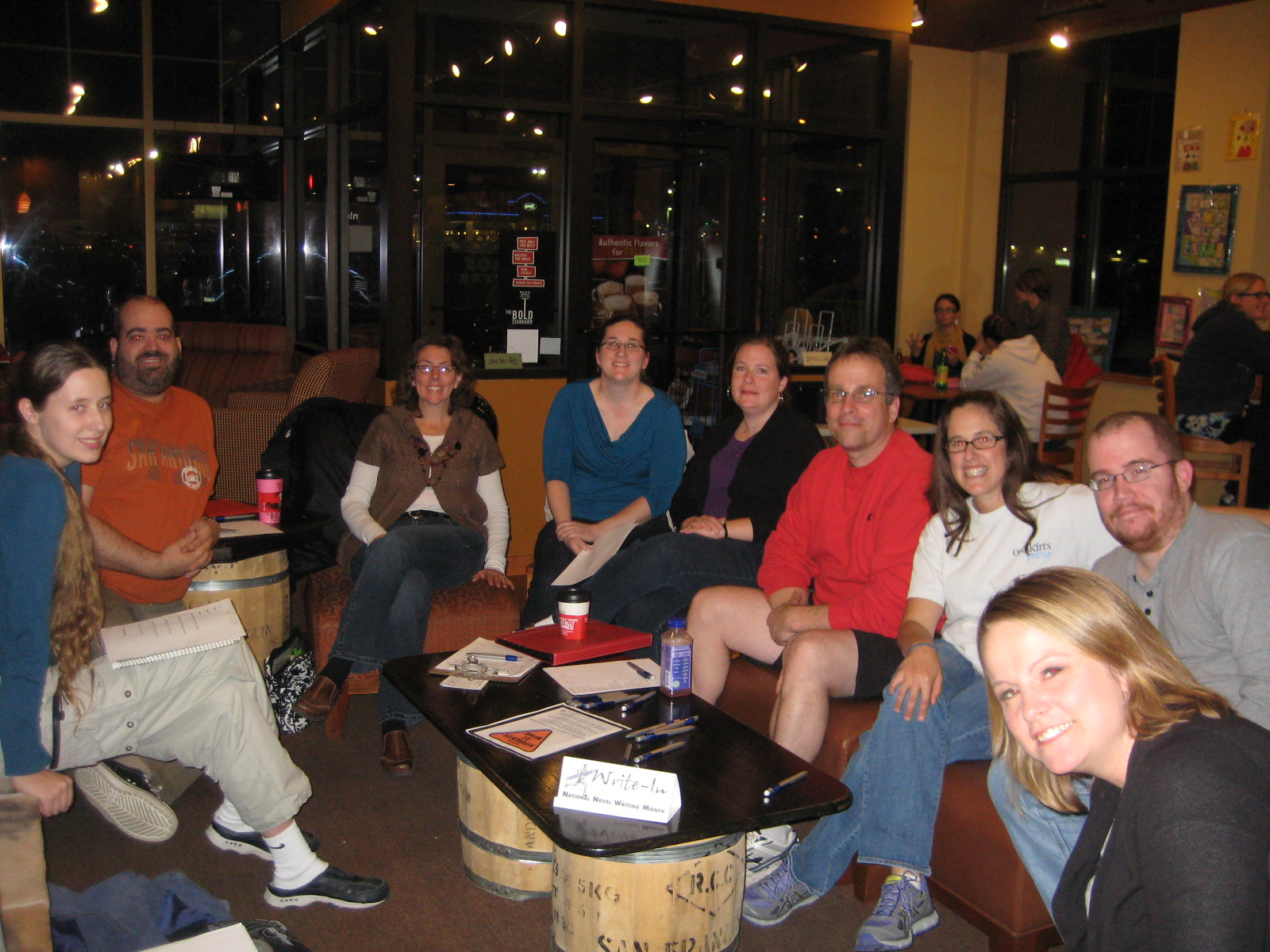
NaNoWriMo Kick-Off Party in Sioux Falls, SD

Just had a blast at the NaNoWriMo Kick-Off Party in Sioux Falls, South Dakota!  If you haven’t been following our NaNoWriMo discussions this month, click here to read more about National Novel Writing Month.

Of the Sioux Falls NaNos (pictured above) – some had a general idea of what they’re planning to write this November, others (including me) have no idea yet, but we’re all in it together, and I can’t wait to get started.

Here is the blog roll for the Sioux Falls NaNos (some will be writing about their NaNoWriMo experience, others just write fun stuff, so check them out):

www.mommymindtrip.com

www.dftbanews.tumblr.com

www.crampedwriting.wordpress.com

www.thewhitepapers.net

www.shelbigesch.wordpress.com

www.lifeloveandlaughterinalargefamily.blogspot.com

www.bonniemoxnes.com

www.butterfliesanddragons.wordpress.com

www.readandtellreviews.blogspot.com

So…have you attended your local NaNoWriMo kick-off event yet? If so, tell me about it in the comments below.  If you’re on the fence about attending – do it!  You’ll have a chance to meet other local writers, get new ideas, and build excitement for the NaNo!

ABOUT KELLY SCHUKNECHT: Kelly Schuknecht is the Vice President of Outskirts Press. In addition to her contributions to the Outskirts Press blog at blog.outskirtspress.com, Kelly and a group of talented marketing experts offer book marketing services, support, and products to not only published Outskirts Press authors, but to all authors and professionals who are interested in marketing their books and/or careers. Learn more about Kelly on her blog at http://kellyschuknecht.com.

Last Minute To-Dos for Self Publishing Authors Participating in NanoWriMo

There are only a few more days until NanoWriMo begins. To help you prepare, I’ve prepared a last minute to-do list for all self-publishing authors participating in NanoWriMo. Check it out below.

  • Read a few pep talks, which are available on the NanoWriMo website. They are sure to give you the motivation you need to succeed.
  • Add a web badge to your website. Not only will you help promote the event, but it is a fun way to let everyone know that you are taking the challenge.
  • Get inspired. Spend some time before the writing begins listening to music, watching strangers, drinking coffee, reading books, or doing any other activity that gets your creative juices flowing.
  • Relax. The next month is going to be hectic, so prepare your mind and body by practicing relaxation techniques such as exercising or meditation.
  • Remind your friends and family. You will need they their support during this process, so remind them of your goals and writing schedule.
  • Have fun. NanoWriMo is a fun process, so just enjoy it.

Good luck to all of the self-publishing authors who are participating in NanoWriMo. I can’t wait to see your books in print!

I’d love to know, what is on your last minute to-do list?

ABOUT WENDY STETINA: Wendy Stetina is a sales and marketing professional with over 30 years experience in the printing and publishing industry. Wendy works as the Director of Author Services for Outskirts Press. The Author Services Department is composed of knowledgeable customer service reps and publishing consultants; and together, they all focus on educating authors on the self-publishing process in order to help them publish the book of their dreams. Whether you are a professional looking to take your career to the next level with platform-driven non-fiction, or a novelist seeking fame, fortune, and/or personal fulfillment, Wendy Stetina can put you on the right path.

Getting the Good Out of Bad Book Reviews

“No statue has ever been erected to a critic.” – Jean Sibelius

As much as every writer wants to bask in the accolades that come with a job well done, most of us don’t get through the writing process unscathed. If, by the time you publish, an editor or proofreader hasn’t zeroed in on all your writing flaws, at least one book reviewer is bound to do just that.

Let’s face it: Bad reviews sting! No matter how much praise your book gets, that one negative critique is usually the one that stands out. But as painful as it is to face the poisoned pen of a critic, it’s our mistakes that have the most to teach us. If you’re smart about your response, bad reviews could be the best thing that happens to you as a writer.

Before you fire off an angry retort or fashion a mojo doll in someone’s likeness, take a slow, deep breath. Don’t do anything in haste. Just cool your jets awhile, then take a few steps to get the ball rolling toward that silver lining:

  • Make sure the “reviewer” isn’t a competing author or a serial malcontent. Look up their other reviews. If they’ve posted an inordinate number of malicious reviews – perhaps all similarly worded – you can probably, at the very least, put very little stock in their comments.
  • Take action when necessary. If you suspect a reviewer is sabotaging your efforts to boost their own book sales or some other reason, contact Amazon, Nook or whatever book selling site is involved. You may be able to have bogus reviews taken down.
  • Answer your critics. Build a little goodwill by answering less-than-glowing endorsements with a personal reply. Let them know you’re sorry the book wasn’t their cup of tea, but you appreciate their comments (OK, you may have to fake that part). Solicit specific likes and dislikes, if they haven’t already spelled it out.

Once that’s out of the way, start making lemonade. It’s up to you to sweeten all the sour bits and turn them into something palatable. And believe me, there is something positive to be found in even the nastiest feedback:

  •  Look for specifics. A review that merely hurls vague insults is meaningless. It may be that the review was based solely on the reader’s preferences and personal biases and has little else to offer. Disregard those reviews, or those parts of reviews, and look for specific critical input. Did the reviewer complain about spelling errors? Were there factual errors in your book? Did he/she provide specific feedback about why the narrative failed to move the story along, or why the characters fell flat?
  • Learn from your critics. You may find that some reviewers have identified a weakness, your Achilles heel as a writer. Use that insight to buttress your flaws; it’ll make you a better writer in the long run.
  • Focus on what you can change. At times, reviewers are going to take a swipe at your style: the way you phrase things, the type of language you use, the type of characters you write about, the subject matter, etc. Often these choices make you you and aren’t up for discussion. Your style is your style. Period. As long as it’s not sloppy and incorrect, stay true to it.
  • Keep it in perspective. Even classics get bad reviews. Heck, huge bestsellers like Fifty Shades of Grey have received hundreds of negative reviews from readers and critics alike. Your story is simply not going to resonate with everyone.

While negative comments hurt, they’re not likely to sink a truly good book, and the innate desire to prove your critics wrong will inspire you to shore up your writing in the future. If you can muster the humor to laugh about your ugliest reviews, you might even frame the worst as wicked little good-luck charms or sorts – right next to your best-selling book!

Elise Connors ABOUT ELISE L. CONNORS:
Elise works as the Manager of Author Support of Outskirts Press.  She also contributes to the Outskirts Press blog at blog.outskirtspress.com.Elise and a group of talented book marketing experts assist self-publishing authors and professionals who are interested in getting the best possible exposure for their book.

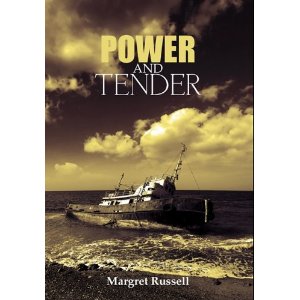
Weekly Self-Published Book Review: Power and Tender

Book reviews are a great way for self-publishing authors to gain exposure. After all, how can someone buy your book if he or she doesn’t know it exists? Paired with other elements of your book promotion strategy, requesting reviews is a great way to get people talking about what you’ve written.

When we read good reviews, we definitely like to share them. It gives the author a few (permanent) moments of fame and allows us to let the community know about a great book. Here’s this week’s book review by Midwest Book Review:

Power and Tender

Margret Russell

Publisher: Outskirts Press

ISBN: 9781432763756

Reviewer: Richard R. Blake

Margret Russell chronicles the lives of Arthur, Ben and Hannah Alton during the years immediately following World War I throughout the years leading up to and through World War II in “Power and Tender.” This is more than a nostalgic stroll down memory lane. Russell writes of a significant era in American history. Through the Alton’s, she follows the impact and hardship experienced by rural families at a time when our country shifted from its agricultural roots to a culture of international trade, commerce and industry.

Ben develops a love for the sea as a child, the result of hearing his uncle’s heroic stories. He dreams of becoming a coastal pilot in Chesapeake Bay. Ben is devastated after years of perseverance in combining, working the land with his love for the water, boating and fishing; he has attained the theory and experience necessary to qualify for an appointment as a government pilot only to discover that the years of hard labor have left him physically disqualified.

Russell introduces a plethora of topics relative to the era through dialog depicting casual, gossipy conversation through informal settings at the town post office, the barber shop, in the home or during routine chores and errands. Although often these seem irrelevant, they provide background and insight into the culture of the era, family life and individual struggles of the protagonist.

The journal entries of Evan Griffith, a professor employed during the summer by Ben Alton, afford additional points of interest and offer a noteworthy depth. They take shape as chapter summaries, adding insight into the interaction and core values of the Alton family. Lessons on parenting, family and social relationships and insights into plant life and animal behavior are carefully woven into the warp and woof of the story line.

I have a new appreciation for the difficulties of the farming communities, crop failures and food surpluses in the great depression era experienced throughout the country in the 1930s, as well as a better understanding of President Roosevelt’s “New Deal” philosophy and policies.

Russell keeps the reader engaged thorough a fast-paced series of conflict and resolution. She skillfully incorporates expressive descriptions that involve all five senses. I could almost hear the howl and feel the force of the gale force winds, smell the charred scent of the smokehouse and feel “the burning in the wood stove…it sizzled and lapped the logs down to knot heating to a bursting point – poupft.”

“Power and Tender” is engaging historical fiction. The writing is authentic and compelling. I became totally immersed in the characters. This is a memorable read with a lingering afterglow.