Are Titles Copyrighted?

I always tell authors to research their titles before choosing one to make sure there are no other books with the same title. Many authors want to know if titles are copyrighted. Titles are not subject to copyright the same way longer works are. However, titles can be trademarked. This is common for books in a series.

Although you could probably legally use a title that has been used by someone else, it is not recommended. When people search your title, you want them to only find your book. Take the time to come up with a unique, memorable title. It will help you sell your book.

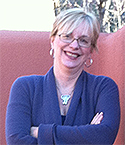
ABOUT WENDY STETINA: Wendy Stetina is a sales and marketing professional with over 30 years experience in the printing and publishing industry. Wendy works as the Director of Author Services for Outskirts Press. The Author Services Department is composed of knowledgeable customer service reps and publishing consultants; and together, they all focus on educating authors on the self-publishing process in order to help them publish the book of their dreams. Whether you are a professional looking to take your career to the next level with platform-driven non-fiction, or a novelist seeking fame, fortune, and/or personal fulfillment, Wendy Stetina can put you on the right path.

How to Organize Your Self-Published Novel

There are many ways to organize a novel. Many writers follow a traditional rise and fall plot line, while other writers play with unconventional methods such as moving back and forth between time periods or points of view. While it is up to you how you decide to organize your novel, there are a few things you need to keep in mind. While outlining your story, ask yourself these questions.

1) What happens in the beginning of the book to hook my reader?

2) What will make the reader keep reading the book?

3) Is the story understandable?

4) Have I covered all the information I need to share?

As you write your novel, don’t be afraid to experiment with different techniques. Also, read tons of books in your genre (as well as those outside your genre) to get ideas. Finally, always have someone else read your draft. Whether you hire a professional editor or ask a friend you trust, get feedback from a reader.

ABOUT WENDY STETINA: Wendy Stetina is a sales and marketing professional with over 30 years experience in the printing and publishing industry. Wendy works as the Director of Author Services for Outskirts Press. The Author Services Department is composed of knowledgeable customer service reps and publishing consultants; and together, they all focus on educating authors on the self-publishing process in order to help them publish the book of their dreams. Whether you are a professional looking to take your career to the next level with platform-driven non-fiction, or a novelist seeking fame, fortune, and/or personal fulfillment, Wendy Stetina can put you on the right path.

When to Edit Your Self-Published Book

One of the questions I am frequently asked is “when should I have someone edit my self-published book?” There are two things you need to keep in mind when deciding when to hire an editor: how is your book formatted and what type of editing do you want. Here is why.

Formatting

A manuscript should always be edited before it is designed into book format. If you plan to have the editor work on the hard-copy version of your manuscript, it has to be in standard manuscript format; that is twelve-point Courier or Times New Roman type, double-spaced, with margins of at least an inch on all sides. This format is standard in the industry and gives the editor room to work. If the book is already designed, it won’t be in standard manuscript format; it will be in book format.

If you plan to have your editor work on your electronic file, the format won’t matter, but it must be in a word-processing document, not a design program or a PDF. Most editors are not designers and won’t have the design program used to design your book. Even if the editor has the capability of opening the design program or manipulating a PDF (which some do), editing a book after it is designed will still interfere with the design. After the file is edited, you’ll have to return it to your designer to get it redesigned, and there will certainly be an additional charge for that service.

Type of Editing

There are basically two types of editing: copyediting and developmental editing. Copyediting should be done once your manuscript is complete. The editor will polish your manuscript by looking for grammar, consistency, clarity, and style issues. If you plan to add or delete large portions of content, you are not ready for a copyedit because it will result in extra fees due to the editor  re-editing portions of the manuscript or cost more than it needs as most editors charge based on the length of the manuscript.

Developmental editing should take place in the beginning stages of writing. This type of edit offers feedback on elements such plot, structure, character, etc. While many editors will point out obvious or frequent grammar and style issues, those types of mistakes are not the  main focus of this edit. If you decide to hire a developmental editor, copyediting is still recommended before publication.

Hopefully this answers some of your questions about the editing process. If you have other questions, feel free to leave them in the comment section, and I will try to address them in future posts.

ABOUT WENDY STETINA: Wendy Stetina is a sales and marketing professional with over 30 years experience in the printing and publishing industry. Wendy works as the Director of Author Services for Outskirts Press. The Author Services Department is composed of knowledgeable customer service reps and publishing consultants; and together, they all focus on educating authors on the self-publishing process in order to help them publish the book of their dreams. Whether you are a professional looking to take your career to the next level with platform-driven non-fiction, or a novelist seeking fame, fortune, and/or personal fulfillment, Wendy Stetina can put you on the right path.


There is No Such Thing as Free Lunch

Have you heard the cliché “There is no such thing as a free lunch”? Everything has a cost, even if it appears to be free. This true for self publishing as well as all other areas of life.

While there are companies who say they publish your book for free, there are still costs to you. For instance, you may have to buy large amounts of merchandise after the book is printed, or you will have to spend vast amounts of time marketing your own book. In addition, a “free” publishing company could harm your reputation has an author if your book is not of professional quality.

Authors who want their books to be taken seriously need to invest in their projects. This means you’ll at least need a good copy editor and possibly an experienced graphic designer. Depending on your skills and goals, you may also require marketing services. Not all self publishing companies offer these extra services.

Authors should invest in their books by choosing a full-service self publishing company that offers a variety of production and marketing services as well as excellent customer service. This will ensure that you have access to skilled professionals who will help make your book a masterpiece.

I’d love to know, what additional services do you plan to use when self publishing your book?

ABOUT WENDY STETINA: Wendy Stetina is a sales and marketing professional with over 30 years experience in the printing and publishing industry. Wendy works as the Director of Author Services for Outskirts Press. The Author Services Department is composed of knowledgeable customer service reps and publishing consultants; and together, they all focus on educating authors on the self-publishing process in order to help them publish the book of their dreams. Whether you are a professional looking to take your career to the next level with platform-driven non-fiction, or a novelist seeking fame, fortune, and/or personal fulfillment, Wendy Stetina can put you on the right path.

Print Books Will Endure

Digital books are great! You can carry around a library in your purse and read anywhere. Plus, digital books are often cheaper to produce (and therefore, cheaper to buy) and are environmentally friendly. Still, paper books will endure. Here are three reasons why.

They Make Great Gifts

Print books make great gifts. I often give friends and relatives books for holidays and birthdays. There is nothing better than the gift of reading.

They are Easy to Share

People love sharing books with their friends and family. How many times have you read a great book and passed it along to someone else? The ability to share is one of the pleasures of reading. Sharing digital books is possible, but it’s not as easy.

There is Nothing Like a Print Book

Many readers love the feel and smell of print books. Reading is an opportunity to escape our chaotic lives and enter another world. There is just something about sitting outside or laying on the couch with a paper book and getting lost in a story. Reading a digital book just isn’t the same.

If you are considering publishing, your best option is have a print and digital copy of your book. This will make sure you please both types of customers. Which do you prefer: digital or print books?

ABOUT WENDY STETINA: Wendy Stetina is a sales and marketing professional with over 30 years experience in the printing and publishing industry. Wendy works as the Director of Author Services for Outskirts Press. The Author Services Department is composed of knowledgeable customer service reps and publishing consultants; and together, they all focus on educating authors on the self-publishing process in order to help them publish the book of their dreams. Whether you are a professional looking to take your career to the next level with platform-driven non-fiction, or a novelist seeking fame, fortune, and/or personal fulfillment, Wendy Stetina can put you on the right path.