Tuesday Book Review: “Five O’Clock”

Book reviews are a great way for self-publishing authors to gain exposure. After all, how can someone buy your book if he or she doesn’t know it exists? Paired with other elements of your book promotion strategy, requesting reviews is a great way to get people talking about what you’ve written.
When we read good reviews, we definitely like to share them. It gives the author a few (permanent) moments of fame and allows us to let the community know about a great book. Here’s this week’s book review:

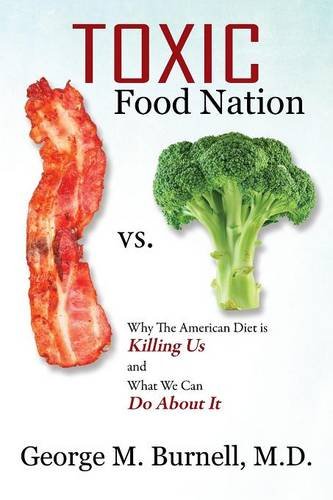
five o'clock Joe Montaño III

writer's digest 25th annual self published book awards

Honorable Mention: Poetry Category

Five O’Clock

by Joe Montaño III

ISBN: 9781478771753

Synopsis*:

“singer, fruit picker, behind his
father, walking music thru desert sunrise.”

Conjured in crude images of thenatural world, the poetry of Joe Montaño III connects the reader to the great music,art, film & literature created before us and to his own cultural past. Hiswords strive to illuminate the breadth of human fallacy, compelling compassionatesouls to speak with punk rock conviction through the filter of profoundabstraction.

From Picasso to Buster Keaton tothe New York Dolls, a source exists within the greatest and most flawed of ourinspirations. From here, and from the many places of travel and childhood home,Joe Montaño pieces together his own culture, while finding a place within hisown elusive Hispanic heritage. Ever the expositor, he persists in his searchfor connection, as well as a place to push off of.

“There oughta-be-a
burn down the town anthem stuttered
by the tongues of youth, those failures
waiting for sunrise so to daydream.”

The poet seeks to create Universalwork that not only endures, but moves and travels with the reader. JoeMontaño’s words reflect a personal & disquieting truth of humanity insurrealistic detail. To identify with these poems is to walk a brambled path -conceding ego, confessing fault – and also made curiously pleased by thethought of our own inherent golden core.

“The sun has called him a murderer, and
punishes his skin and eyes…taking his god away
while shading the poet, the dandy rebel, and
the lovers like naked gypsies
bathing in the light.”

 * courtesy of Amazon.com

Featured Review

If there is any type of poetry I admire the most it would be the abstract and surreal type of poetry.
Likewise Joe Moantano’s first book is packed from cover to cover with both of those, plus poems of humor, stories of his culture and tradition, plus some of his outlooks on life and attitude. It is difficult to pick out a favorite poem out of this book, so instead I’ll just say that “blue#1&2” really stood out. Overall it’s a good book to read over time and thought, and re-read after that. As a person I think of Joe as one of those kinds of enigmatic types who is full of generosity and a passion for poetry. (Although the latter of which may be misunderstood by some folks)

– reviewed on Amazon by Gene Miller

Another Review

Joe Montano III is a thinking man’s poet. No slam poet pop culture fluff here. Read his poetry aloud to appreciate its rhythm and meaning. Hearing Joe’s poetry always inspires me to want to write more myself.

 – reviewed on Amazon by Amazon Customer


Author Website

http://artofjoemontanoiii.yolasite.com/


tuesday book review

Thanks for reading!  Keep up with the latest in the world of indie and self-published books by watching this space!

Self Publishing Advisor

selfpubicon1

Self-Publishing News: 7.30.2018 – July Round-Up

July

And now for the news!

Some highlights from this month in the world of self-publishing, wrapping up what’s new for you and yours in July 2018.

Every now and again, we need a success story to remind us of why we do what we do, and this one from Publisher’s Weekly contributor Matia Burnett is a gem; Burnett interviewed author Susan Wittig Albert, who has published more than 100 books, on how she could possibly both publish books and also make time for “raising cattle, sheep, geese, ducks, dogs, cats, and chickens (not to mention gardening and fiber crafting) on her 31-acre farm in the Texas Hill Country.” The short answer? Susan Wittig Albert has a work ethic which puts many of us to shame, but the long answer? She makes time. Her experience has run the full gamut from indie to traditional to entrepreneur and back and forth again, and she has much wisdom to share on all of these varied and rich experiences. Well worth a read!

Adam Rowe of Forbes is fast becoming a name to watch when it comes to the latest and greatest hits on self-publishing and the digital sphere; in this week’s online issue, he tackles one of the greatest thorns in the industry’s side: fraud. But before he gets there, he tackles the history, unfolding piece by piece how both the problems and advantages of self-publishing have evolved alongside the technology itself. He talks about those so-called “agent reading fees” (scam!), so-called “referral scams” (definitely scam!), and fake or misleading awards (also definitely a scam!). Right now, in 2018, Rowe recommends steering clear of anything that doesn’t hold up under due diligence research, including: “A fast fast-growing cabal of predatory self-publishing or marketing companies operating from the Philippines.” A good self-publishing company will be up-front about its fees, and will be more than happy to answer questions when contacted.


spa-news

As a self-publishing author, you may find it helpful to stay up-to-date on the trends and news related to the self-publishing industry.This will help you make informed decisions before, during and after the self-publishing process, which will lead to a greater self-publishing experience. To help you stay current on self-publishing topics, simply visit our blog every Monday to find out the hottest news. If you have other big news to share, please comment below.

selfpubicon1

In Your Corner: Growing Your Market in Barren Soil

So here’s a story. Last winter, I spent weeks reading up on ways to make my yard and garden more butterfly friendly, bee friendly, and bird friendly. I checked out a pile of books from the local public library on how to combine these ideas with square-foot gardening, and put in some raised beds. I spent time at a local nursery, and picked the brains of both the nursery staff and my neighbors, who’ve been gardening in this alpine valley for generations. I talked with the local conservation nonprofit, collected native seeds, and come spring, put everything in the ground. I stopped mowing my lawn so often (and so short) and started caring more about soil composition, moisture, and pH levels. Basically, I took the time to care properly about a thing I should have been carrying more about anyway.

Then, one day, I came home from work to find that my homeowner’s well-intentioned handyman had “weeded” my wildflowers, pulled up my soil-fixing plants, stripped the beds, and basically reduced my various riotous little garden spots to bare earth. And then he sprayed them so that nothing would come back up. Sad, right?

For the record, I don’t blame the handyman. He had only the best of intentions, and there’s little visual difference between a healthy butterfly friendly, bee friendly, and bird friendly garden … and a wilderness. He simply didn’t know that it was intentional, and that I was happy with the chaos.

But here’s where things get real for those of us who self-publish: often, our setbacks often feel like they reduce our emotional landscape to scorched earth (or in this case, thoroughly sprayed earth). It can even seem like we’re starting from scratch, or worse. And it can feel like it’s not worth the energy, the sheer elbow grease, required to restart the garden mid-season.

So how do we get past that hump? How do we get to a point where it feels like we’re past the worst, where the garden is already back on its feet enough for us to see progress again?

As with last week’s post about kicking the summer slow-down, it’s all about breaking it down into littler, manageable chunks. If you need to treat the comeback like a fresh start, then that’s what you need to do. But even better than a fresh start is a re-start which builds upon the groundwork you’ve already laid. You don’t have to go full-throttle the moment you get back into the game; it’s totally okay to just dip your toe in at first. Remember how last week I recommended fifteen-minute chunks of social media time a day to get started? That tip applies to re-starts as well as fresh starts.

The difference between a fresh start and a re-start is, of course, how difficult it feels. It’s even in the terminology, isn’t it? A “fresh start” sounds positive and upbeat, a joyous celebration of something new. A “re-start” sounds a little beat up around the edges. And that may be an accurate reflection of how you feel, when push comes to shove. That means that your first job, even before you start re-establishing structure and launching plans, is breaking through the negative mindset which comes from facing down a rough patch.

My advice? Take time for you, and your craft. If you’re anything like the authors I’ve met, you probably spend your summer splitting your time between scrambling to make sure everyone else is having a good time (summer schedules are insane!) and trying to get some much-needed “you” time. If you have any time left to spare, it’s probably spent trying to cram in some writing time. If your summer is anything like my summer, it all feels extremely disorganized and messy, and like you’re doomed to fail at everything simply because you can’t get it all done.

Well, I’m here to talk you down from that mentality, just as much as I’m here to talk myself down from it. You CAN succeed, and you can start by succeeding at loving yourself, and seeing yourself as the triumph you are. Maybe once you see how great you are, you’ll see that great things can happen even on the most stripped-bare soil.

Only then will you have the conviction to pull out a new batch of seedlings.

You are not alone. ♣︎


Elizabeth

ABOUT ELIZABETH JAVOR: With over 20 years of experience in sales and management, Elizabeth Javor works as the Director of Sales and Marketing for Outskirts Press. The Sales and Marketing departments are composed of knowledgeable publishing consultants, customer service reps and book marketing specialists; together, they all focus on educating authors on the self-publishing process to help them publish the book of their dreams. Whether you are a professional looking to take your career to the next level with platform-driven non-fiction or a novelist seeking fame, fortune, and/or personal fulfillment, Elizabeth Javor can put you on the right path.

 

Tuesday Book Review: “Toxic Food Nation”

Book reviews are a great way for self-publishing authors to gain exposure. After all, how can someone buy your book if he or she doesn’t know it exists? Paired with other elements of your book promotion strategy, requesting reviews is a great way to get people talking about what you’ve written.
When we read good reviews, we definitely like to share them. It gives the author a few (permanent) moments of fame and allows us to let the community know about a great book. Here’s this week’s book review:

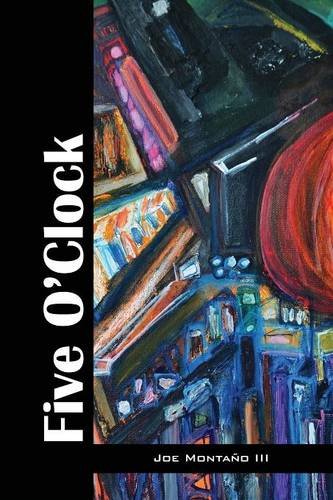
toxic food nation george burnell

download

Toxic Food Nation

by George M. Burnell, M.D.

ISBN: 9781478775355

Synopsis*:

Toxic Food Nation: Why the American Diet Is Killing Us and What We Can Do About It is a wake-up call to all Americans about the typical American diet, rich in processed foods, fat, sugar, salt, omega-6s, pesticides, hormones, antibiotics and hundreds of untested chemicals. This diet triggers chronic inflammation in the body and brain, which leads to heart disease, diabetes, obesity, Parkinson’s disease, Alzheimer’s disease, Crohn’s disease, arthritis, anxiety, mood and behavior disorders, and cancer. We are now faced with several questions about the safety and toxicity of the American diet.

How harmful are these chemicals? Can we rely on the government and food industry to protect us from potential threats to our health? What can we do to protect ourselves? Toxic Food Nation answers all these questions and tells you what the food and chemical industries don’t want you to know and why governmental agencies and elected officials remain silent on the subject. Our food supply is laced with dangerous toxic chemicals that will harm you and your loved ones for years to come unless you take action now.

Toxic food is now the new tobacco. It took over two decades before the public accepted the fact that tobacco caused cancer. Meanwhile, plastics and pesticides in our food continue to stockpile in our issues for decades, eventually erupting into a full array of chronic diseases in midlife. In Toxic Food Nation Dr. Burnell shows you how to benefit from cutting-edge science, explaining how to protect and enhance your immune system, which is the key to overcome the devastating effects of chronic inflammation. Drawing from clinical and laboratory studies as well as the latest research around the world, Toxic Food Nation gives you a highly practical program of simple dietary recommendations to prevent disease and heal the symptoms that threaten you and your loved ones. In a clear and nontechnical language Dr. Burnell discusses the issues, choices and barriers to overcoming.

 * courtesy of Amazon.com

Featured Review

“Toxic Food Nation: Why the American Diet is Killing Us and What We Can Do About It” by George M. Burnell, MD, is an absolute must-read for anyone concerned with improving their health, longevity, and quality of life. As cited on the back cover, this book is a wake-up call to all Americans about the standard American diet. Most of our food supply is in the form of processed convenience foods that are full of sugar, fat, chemicals, hormones, and antibiotics. This diet can be directly linked to numerous diseases, including among others:  chronic inflammation, heart disease, diabetes, obesity, Parkinson’s, Alzheimer’s, mood disorders, eating disorders, and cancer.

In “Toxic Food Nation” Dr. Burnell writes clear-cut, concise information to inform and educate readers in language that is easy to follow and understand. The chapters address a multitude of issues that the average American is just not aware of, such as the effects of toxins and chemicals in our food, the safety of vitamins and minerals, and the science of manufactured flavors and food substitutes used to make our food look and taste better, and last longer. There is also extensive information on the role of the government and politicians, as well as what they do (or don’t do) to protect their citizens. I found the information to be meticulously researched and documented and could be the most powerful source of reference available on the subject.

Each chapter stands well on its own but I found it most helpful to read the entire book straight through then backtrack to review chapters holding special interest. With an extensive glossary, a list of resources, and other helpful websites, “Toxic Food Nation” by George M. Burnell, MD provides a practical look at how to make beneficial changes for your health and well-being. It is a book I will keep close at hand and refer to often.

– reviewed by Sheri Hoyte for Reader Views

Other Reviews

I am a health and fitness instructor and I read Dr. Burnell’s book with great interest because I am very careful about what I eat and food I recommend to my students. I learned a great deal about all the chemicals that exist in conventional foods, namely the American diet.
Dr. Burnell has written one of the best books on food safety and prevention of chronic illnesses triggered by chemicals in our food, most of them untested by government or private industry.
He pulls no punches and tells us in a clear and non technical language about the risks and danger that the American diet presents in our lives. He gives us easy to follow guidelines, once you know the science that support his recommendations. You will most likely want your friends, family and co-workers to read it and spark discussion on the issues this book brings up.
Undoubtedly, this is a wake up call to all Americans that will save lots of money on unnecessary medical bills in the long run.

 – reviewed on Amazon by Douglas

“Toxic Food Nation” is a comprehensive book on what’s bad and risky in the typical American diet today. Dr. Burnell has made this book very easy to read, and understand. He starts with a questionnaire that assesses whether your current diet puts your health at risk for future chronic diseases (heart disease, diabetes, arthritis, stroke and cancer) and compares it with a retake version of the same questionnaire after you finish the book.
At the end of each chapter you can follow a set of guidelines that will lead you to more healthy eating at your own pace. There is lots of invaluable information, well researched and backed by evidence peer reviewed studies up to 2016. You can always refer back to a given chapter or page you wish to tab for a revisit. Many of my pages are tabbed already. Our foods are becoming the good, the bad, and the ugly, due to so many toxins in processed and packaged foods, our water, and soil.
Organic is the way to go forward. Invest in good food now and save yourself the big extra bucks for medical care later on. Remember: It is never too late to start.

– reviewed on Amazon by Elizabeth Ann Gomez 

Book Trailer


tuesday book review

Thanks for reading!  Keep up with the latest in the world of indie and self-published books by watching this space!

Self Publishing Advisor

selfpubicon1

Self-Publishing News: 7.23.2018 – Publishing Trends Roundup

July

And now for the news!

Some highlights from this month in the world of self-publishing, specifically regarding publishing trends within the publishing industry, and their implications for all authors!

This article from Publishers Weekly comes at the perfect time to remind us how much we love audiobooks (and how perfectly suited audiobooks are for the summer holiday season, with all of its road trips and its changes of pace). The article, an interview between PW contributor Benjamin South and “audio veteran” Scott Brick, is revealing on many levels–first, peeling back the layers (and the myths) of what audiobooks are or are not to authors, including self-published and indie authors. Brick is known primarily for using his voice as a narrator of these books, but he’s also now using his voice to advocate for them. Says Brick:

My choices are driven by wanting to work with really good authors and it’s thrilling when people get in touch with me to say they’ve discovered a new author because of me. I am also a fan first and foremost. Most of the new authors coming out these days are indie authors, and if that’s where they are, that’s where I am going to follow.

Brick goes on to describe what draws him to a book, how he goes about collaborating with indie authors to bring their books to an audio format, and the ways in which working with indie authors and self-published books is different from working with a traditional publisher. If you’ve ever asked yourself whether or not you should pursue creating an audiobook edition of your self-published book, this revealing interview is an absolute must!

Last month in this news space, we discussed a different, earlier article on one of of the new ways that indie and self-publishing authors are breaking out into mainstream awareness: through Wattpad, and collaborations between streaming services like Netflix and Hulu and that unique story-publishing platform. This month, pop culture titan Vulture tackled the subject with this article by Chris Lee, wherein Lee breaks down what it is, exactly, about the platform that has led to it having such a moment. And it’s not just Netflix and Hulu getting in on the action: broadcast television network The CW is also putting out feelers, as well as NBCUniversal. And while Wattpad’s star is rising quite high these days, the question remains: can its success translate or “trickle down” to other indie and self-publishing outlets, platforms, and authors? According to Wattpad Studios’ chief Aron Levitz, (“as well as entertainment executives from companies in partnership with Wattpad,” writes Lee), there’s one specific reason why Wattpad is leading the pack:

[…] the Toronto-based publishing platform’s devoted community of readers provides a secret weapon in developing content with road-tested mass appeal: data. By actively commenting — often paragraph by paragraph over the course of, say, a 300-page online book — Wattpad readers function as a highly motivated focus group, helping dictate plotlines, vetting characters, and even the deletion of scenes.

It doesn’t hurt that while Wattpad is finding ways to its stories, the vast majority of content on the website is free, and the platform is brokering deals with these film companies without necessarily forwarding those profits to its authors. It remains to be seen whether the authors whose stories are being adapted will receive the same treatment as, say, a traditionally-published author or a self-published author in the usual mode. Watch this space as developments continue!

“How would you choose to build a general book publisher today, if starting from scratch? That was the question I found myself asking two years ago,” writes Pete Duncan, author of this recent blog post for The Bookseller. Duncan, who compares the average 10 to 20-year lifespan of a modern tech company to the longevity of many large publishing houses, set out to discover exactly what it would take to succeed in modern terms at “that delicate balancing act which the publishing industry has so often been adept at, of combining riskier publishing with safer bets, to keep shareholders’ hair on, and publishing across unrelated categories, to cushion against unforeseeable changes in readers’ taste.” It’s not an easy act, he concluded, after a year working in consultation with “a variety of book publishers small and large, self-publishing authors, website publishers, and companies from other sectors running some type of publishing activity.” One thing these all had in common? Things may not be so stable when it comes to publishing at all, with fragmentation of services and the multiplication and innovation of online services in many ways replicating and suborning traditional publishing models. Having now launched Prelude Books, a hybrid company seeking to occupy many niches all at once, Duncan is entirely honest about the challenges ahead. But the rewards are equally as great: “In this new type of publishing the relationship with the reader is fantastically direct and instantaneous – no more having to persuade intermediaries to stock a book then rely on yet more intermediaries to build the basic level of buzz.” This whole blog is a gem, and we highly recommend you take a look.


spa-news

As a self-publishing author, you may find it helpful to stay up-to-date on the trends and news related to the self-publishing industry.This will help you make informed decisions before, during and after the self-publishing process, which will lead to a greater self-publishing experience. To help you stay current on self-publishing topics, simply visit our blog every Monday to find out the hottest news. If you have other big news to share, please comment below.

selfpubicon1