The Importance of Illustrations

They say, “A picture is worth a thousand words.” Don’t think that is true? Ask yourself, “Would A.A. Milne’s children’s classic, Winnie-the-Pooh, be just as charming without the illustrations from Ernest Shepard?” Maybe, but the beautiful illustrations have brought the world of the Hundred Acre Woods to life. Award-winning illustrations are often the difference between a good book and a GREAT one.

Finding the Right Illustrator

The illustrations in your book help communicate your book’s value to readers and buyers. As a children’s author, you must remember that children are you audience but adults are your buyers. You need to produce a book that is appealing to both children and adults. One of the ways to do this is by combining your story with great pictures.

When choosing an artist, make sure their style meshes your vision of the book. There are a wide range of illustration styles, so it is essential that you choose one that helps convey your message. Self-publishing companies such as Outskirts Press allow you to choose the artist who best fits your needs.

How Illustrators Are Paid

Payment arrangements typically include a flat fee or royalties and usually depend on where you find your illustrator. Self-publishing companies are a good place to look for an illustrator. Some companies such as Outskirts Press don’t require you to publish your book with their companies to use their illustrators but offer a discount on services if you do publish with their company. When considering a self-publishing company, be sure to read all of the fine print.

Another option is to hire a freelance illustrator without going through a middle man. This can be done by searching sites such as www.guru.com and www.elance.com. You can also talk to other writers to find out which illustrators they recommend.

Before hiring an illustrator, make sure you look at sample work. Ask yourself, is this how I want my illustrations to look? If not, keep searching. There is an illustrator out there whose style will complement your story.

Beyond Picture Books

Illustrations aren’t just for children’s books. Pictures can enhance any book. Whether you are in need of a book cover, an interior image, or a full series of illustrations, there is an illustrator you can bring your book to life.
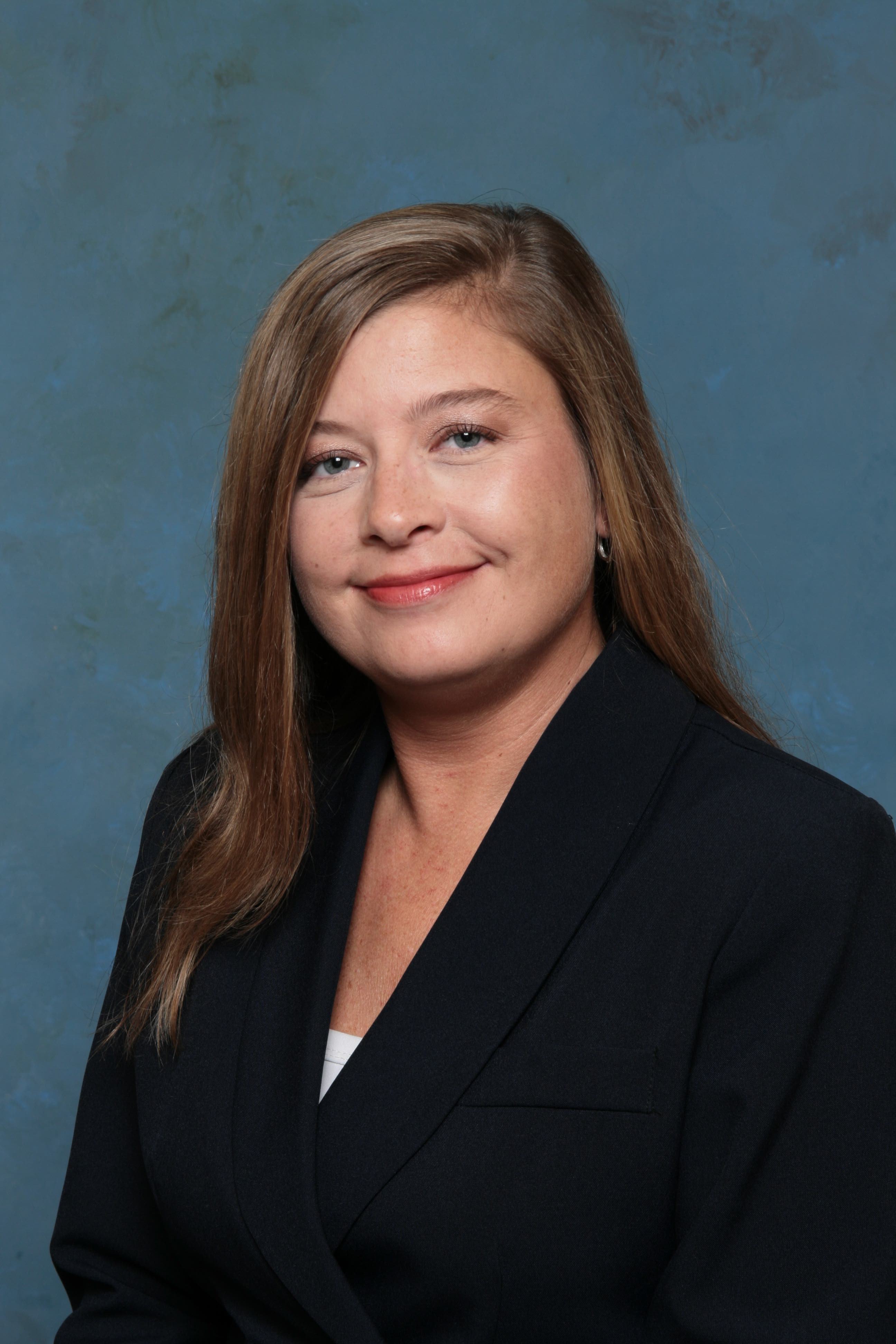
Cheri Breeding ABOUT CHERI BREEDING:
Since 2005 Cheri Breeding has been working as the Director of Production for Outskirts Press. In that time, she has been an instrumental component of every aspect of the Production Department, performing the roles of an Author Representative, Book Designer, Customer Service Representative, Title Production Supervisor, Production Manager and, Director of Production. She brings all that experience and knowledge, along with an unparalleled customer-service focus, to help self-publishing authors reach high-quality book publication more efficiently, professionally, and affordably.

Should You Hire An Editor?

In traditional publishing, there is a process to ensure that manuscripts are flawless, or at least near flawless; we all know that mistakes occasionally make it in to print. After submitting your manuscript to a publisher, it is reviewed by an editor and returned to you, the author, for review. After you have reviewed the manuscript and addressed any issues, the editor reviews the manuscript again, but it doesn’t end there. The manuscript is then proofread, either by the author or a professional proofreader. If everyone does their job correctly, you should publish a flawless book.

In self-publishing, however, it is up to you to edit your work. You can use spelling and grammar tools, but these programs are not flawless. They are not capable of recognizing typos or misused words, and believe it or not, sometimes the grammar suggestions are incorrect. The biggest problem with these tools is inconsistencies. Word processing programs are not designed to recognize style inconsistencies or factual inconsistencies. Only human eyes are capable of identifying these issues.

So how do you make sure your manuscript is flawless? One possibility is hiring a professional editor. This individual will be able to edit your manuscript with a fresh set of unbiased eyes. In addition to correcting spelling, grammar, and style errors, an editor can point out areas in the manuscript that are unclear or contradictory. Best of all, an editor will make your manuscript more professional. One of the biggest misconceptions about self-publishing is that the books are poorly written and filled with errors. The easiest way to dispel that myth is to treat your manuscript as a professional book and take charge of the editing process.

To find an editor, check out websites such as craiglist.com, elance.com, guru.com, and outskirtspress.com. You can also search Google for editors near you, and ask other writers for recommendations.

Cheri Breeding

ABOUT CHERI BREEDING:
Since 2005 Cheri Breeding has been working as the Director of Production for Outskirts Press. In that time, she has been an instrumental component of every aspect of the Production Department, performing the roles of an Author Representative, Book Designer, Customer Service Representative, Title Production Supervisor, Production Manager and, Director of Production. She brings all that experience and knowledge, along with an unparalleled customer-service focus, to help self-publishing authors reach high-quality book publication more efficiently, professionally, and affordably.

Top 6 Quick Tips for Creating a “Publish-able” Manuscript

While preparing your manuscript for publication, there are a few things to keep in mind to make your publisher’s/your own life a bit easier when book design time comes. Here are my top 6:

1. Run Spell check
2. Run Grammar check (keep in mind – neither of these checks can substitute for the expertise of a professional copyeditor)
3. Turn on Formatting marks to see odd areas where spacing may be off such as missing spaces causing a word to look misspelled, or too many spaces (2 instead of 1 or 3 instead of 1).
4. Only use Hard Returns at the end of a paragraph, NOT the end of each line like a typewriter.
5. Quick margin and page setting to book trim size, for example if your file is letter size then change settings to book sizes you’re interested in and view how the text shifts and moves. If you have a specific idea of text placement, this will identify any problem areas.
6. Do not use Spaces or Tabs to indicate an indented paragraph; change paragraph settings to first line hanging .25″.

Do you have any other tips you’d like to share?

Cheri Breeding ABOUT CHERI BREEDING:
Since 2005 Cheri Breeding has been working as the Director of Production for Outskirts Press. In that time, she has been an instrumental component of every aspect of the Production Department, performing the roles of an Author Representative, Book Designer, Customer Service Representative, Title Production Supervisor, Production Manager and, Director of Production. She brings all that experience and knowledge, along with an unparalleled customer-service focus, to help self-publishing authors reach high-quality book publication more efficiently, professionally, and affordably.

My Book is Copyright Protected Upon Publication – Why Do I Need to Register a Copyright?

When your book is published, it is automatically protected under copyright law. That means that no one can pass off your words as their own without your explicit permission. However, we still recommend authors register their copyright with the U.S. Copyright office. Why is this necessary, you ask? That’s a great question.

Think of it like a receipt. It serves as a proof that you purchased the merchandise you own. This entitles you to take advantage of the store’s return policy. If you lose your receipt, there are some stores that MAY allow you to exchange your item or get store credit without a receipt, but that is often at the store owner’s discretion. Copyright registration is very similar. When you need to make a claim against anyone for a copyright violation, you can use your copyright certificate to fight for statutory damages in court. Without a confirmed copyright, it is very unlikely that you have a case. You will have to try to settle with the infringer outside of court. Certainly, you can threaten to speak with an attorney, but if the violator is aware that you didn’t register your copyright, that won’t go over too well…

Finally, if you take your career as an author seriously, purchasing your own copyright is an important step in the publishing process. There is certainly a cost involved, but the protection and professionalism that results will most likely prove invaluable.

Ultimately, choosing to register the copyright for your work is a personal and important decision that only you can make. Consider your audience, how important is to protect your work from infringement, and how serious you take your career as an author before making such a decision.

Cheri Breeding ABOUT CHERI BREEDING:
Since 2005 Cheri Breeding has been working as the Director of Production for Outskirts Press. In that time, she has been an instrumental component of every aspect of the Production Department, performing the roles of an Author Representative, Book Designer, Customer Service Representative, Title Production Supervisor, Production Manager and, Director of Production. She brings all that experience and knowledge, along with an unparalleled customer-service focus, to help self-publishing authors reach high-quality book publication more efficiently, professionally, and affordably.

Who Needs an LCCN?

So, you’ve heard the term LCCN, but you’re not too sure if you need one.

That’s understandable. To determine whether this is something you need – let’s start by defining the acronym. LCCN standards for Library of Congress Control Number. Wait, that’s not a real definition! You’re right – that was fairly vague. The control number is an identification number (similar to the ISBN) that an author acquires before publication. The number is printed on the title page of the book and (traditionally speaking) is often very helpful when marketing your book to libraries.

But do you absolutely need one? The long and short answer is a firm no. Will libraries not accept your books if you don’t have one? Not likely. It’s very true that libraries very rarely “order” self-published books. Does that mean you should you take libraries off your radar? Not necessarily – there are still more creative ways that you can include libraries in your book promotion strategy. You can donate a copy (or copies) of your book. You can host book readings at your library. The possibilities are essentially limitless, but you must be creative and not rely on a library to come after you.

Have any of your included the library in your overall marketing plan? We’d love to hear about it in the comments.

Cheri Breeding ABOUT CHERI BREEDING:
Since 2005 Cheri Breeding has been working as the Director of Production for Outskirts Press. In that time, she has been an instrumental component of every aspect of the Production Department, performing the roles of an Author Representative, Book Designer, Customer Service Representative, Title Production Supervisor, Production Manager and, Director of Production. She brings all that experience and knowledge, along with an unparalleled customer-service focus, to help self-publishing authors reach high-quality book publication more efficiently, professionally, and affordably.