What You Need to Know Before Hiring a Ghostwriter

There are many reasons people hire ghostwriters. You may have a great idea for a book but no time to write it, or you might be an expert on a subject but a lousy writer. None the less, ghostwriting is very common. Often, books by celebrities, experts, and corporations are written by a ghostwriter. If you are considering hiring a ghostwriter, there are two things you must know before hiring a ghostwriter.

Know What You Want

Before accepting a project, a ghostwriter will have many questions about your book. You need to know the answers before you start talking to the ghostwriter. Here are a few things you need to consider.

  • How do you picture your book?
  • What is the tone and style?
  • How long is it?
  • What is the subject?
  • What topics are covered?
  • Who is the audience?
  • What is the purpose of the book?
  • What do you expect from the ghostwriter?
  • How much of the material will you provide?
  • How involved do you want to be in the process?

Know Your Budget

Writing a book is time-consuming, especially if you want to write a quality book. The process includes research, brainstorming, writing, rewriting and editing. This process is no different for ghostwriters. Therefore, book projects can be costly. In fact, research shows that prices can range from $10,000 to $50,000 per book. These prices depend on the writer’s experience, the length and difficulty of the project, the materials you provide and the deadline. Before hiring a ghostwriter, figure out how much you can spend. Don’t hire a ghostwriter and decide you can’t pay for the project. Like all professionals, ghostwriters MUST be paid.
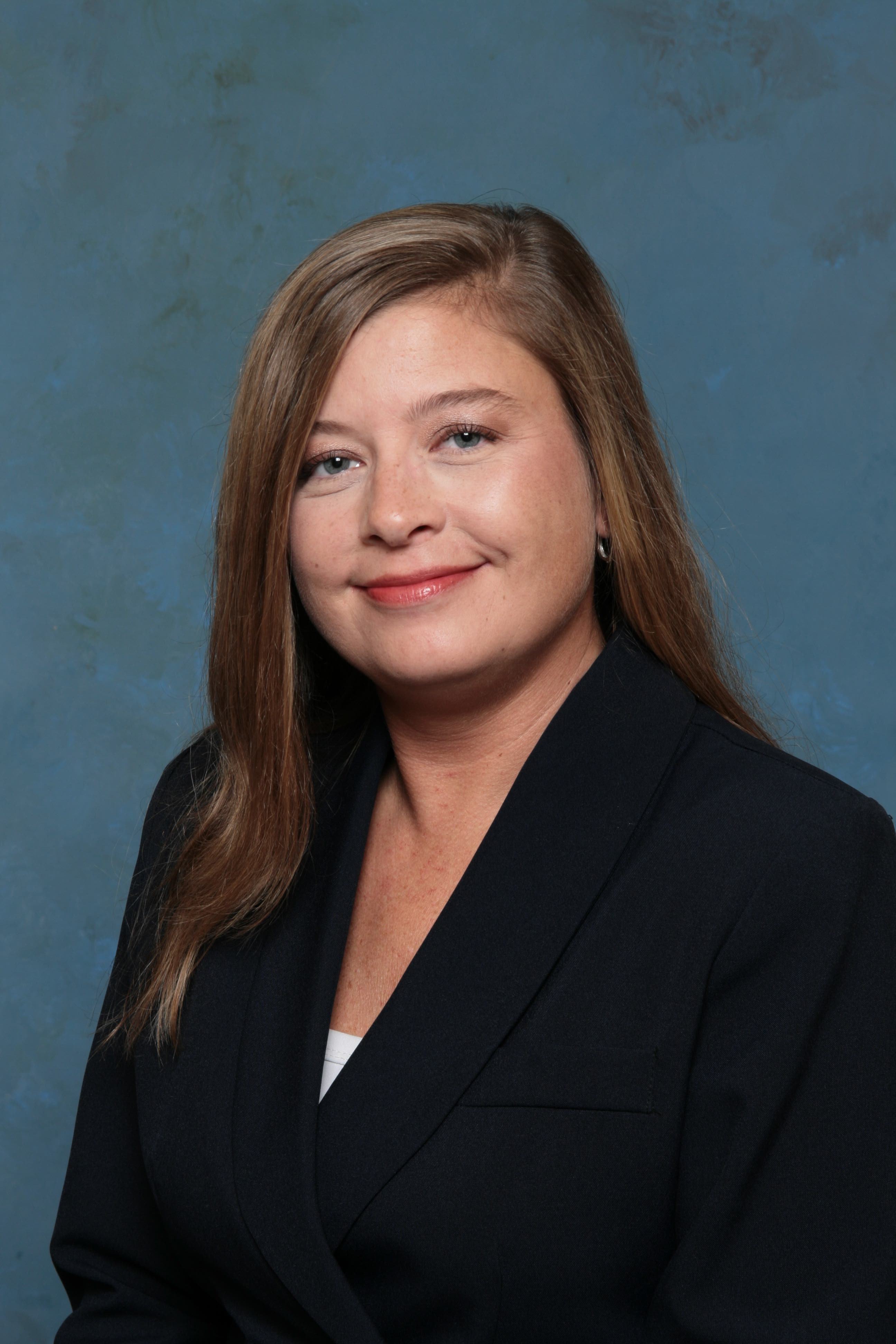
Cheri Breeding ABOUT CHERI BREEDING: Since 2005 Cheri Breeding has been working as the Director of Production for Outskirts Press. In that time, she has been an instrumental component of every aspect of the Production Department, performing the roles of an Author Representative, Book Designer, Customer Service Representative, Title Production Supervisor, Production Manager and, Director of Production. She brings all that experience and knowledge, along with an unparalleled customer-service focus, to help self-publishing authors reach high-quality book publication more efficiently, professionally, and affordably.

What You Might Not Know About Copyrights

Working in the self-publishing industry, one of the most common problems I see is copyright issues. For instance, authors will take pictures or text from websites or quotes from television shows and use them in their work. Many of these authors believe that it is okay to use these materials without permission. The truth is these materials are copyrighted and using them without permission can result in plagiarism and other legal concerns. Whenever you use photos or text that were not created by you, you need permission, even if you obtained them on the web.

Another issue that surfaces regularly is pictures taken by the authors themselves. Even though you own the picture, you need permission from the people and places in the photo in order to distribute the picture. This is a privacy issue and can result in serious legal consequences.

Cheri Breeding ABOUT CHERI BREEDING: Since 2005 Cheri Breeding has been working as the Director of Production for Outskirts Press. In that time, she has been an instrumental component of every aspect of the Production Department, performing the roles of an Author Representative, Book Designer, Customer Service Representative, Title Production Supervisor, Production Manager and, Director of Production. She brings all that experience and knowledge, along with an unparalleled customer-service focus, to help self-publishing authors reach high-quality book publication more efficiently, professionally, and affordably.

Espresso Book Machine

The Espresso Book Machine® (the “EBM”), which Time Magazine named an “Invention of the Year,” provides a revolutionary direct-to-consumer distribution model for books. Put simply, the EBM is an automated book-making machine. The operator selects a title to print, and within a few minutes a book emerges, with a full-color cover, trimmed to an exact size, and indistinguishable from the publisher’s version. As we say, “Hot off the press!”

Currently, Espresso Book Machines have been set-up in select universities and libraries including:

  • New York Public Library
  • University of Michigan Library
  • World Bank InfoShop, Washington
  • New Orleans Public Library
  • San Francisco Internet Archive
  • Manchester Center Northshire Bookstore
  • University of Alberta
  • McMaster University Bookstore
  • London Newsstand UK
  • Library of Alexandria, Egypt
  • Melbourne, Australia Angus & Robertson Bookstore

New locations are constantly being added. The EBM is a great opportunity for self-published authors. Some self-publishing companies, such as Outskirts Press, offer this marketing option. By purchasing this option, your book will be available to be ordered, printed, and sold at every current and future Espresso Book Machine location. To learn more about this option, contact your self-publishing company.

Cheri Breeding ABOUT CHERI BREEDING: Since 2005 Cheri Breeding has been working as the Director of Production for Outskirts Press. In that time, she has been an instrumental component of every aspect of the Production Department, performing the roles of an Author Representative, Book Designer, Customer Service Representative, Title Production Supervisor, Production Manager and, Director of Production. She brings all that experience and knowledge, along with an unparalleled customer-service focus, to help self-publishing authors reach high-quality book publication more efficiently, professionally, and affordably.

Self-Publishing For Mature Writers

If you are a mature writer who is considering self-publishing, there are a few things you need to consider. First of all, find out what type of assistance  self-publishing companies offer. Determine if they provide phone assistance, email assistance, or both. Also note that most self-publishing companies facilitate their production process online and need written documentation of author requests.

If you are not computer savvy, there are people out there who can help you. For instance, you may be able to pay your publisher to assist you with this additional need. Another option is having a family member or friend who uses computers regularly assist you. A third option is asking a local college student who is looking to gain computer assistance experience to help.

Finally. remember to always read the contract before you sign and thoroughly research a self-publishing company. This will prevent surprises during the publishing process and help you decide which self-publishing company is best for you.

Cheri Breeding ABOUT CHERI BREEDING: Since 2005 Cheri Breeding has been working as the Director of Production for Outskirts Press. In that time, she has been an instrumental component of every aspect of the Production Department, performing the roles of an Author Representative, Book Designer, Customer Service Representative, Title Production Supervisor, Production Manager and, Director of Production. She brings all that experience and knowledge, along with an unparalleled customer-service focus, to help self-publishing authors reach high-quality book publication more efficiently, professionally, and affordably.

Tips for Creating a Publishable Manuscript

The best way to ensure that your self-published book looks and sounds professional is to create a professional manuscript. This will make the publisher’s and your job easier when it comes time to creating and reviewing proofs, and it will lead to a finished product that is worthy of your reader’s time and praise. Here are easy ways to create a publishable manuscript.

  • Always run spell check and grammar check, but never rely on these tools alone.
  • Hire a professional copyeditor. Spell check and grammar check don’t catch all errors, and they don’t pick up style errors.
  • Turn on formating remarks so you can see where spacing may be off.
  • Only use hard returns at the end of paragraphs. Do not use them at the end of each line. Computers are not typewriters.
  • Change margin and page settings from “letter size” to “book size.” This will identify any areas that may need reformatting.
  • Do not use space or tab to indicate new paragraphs. Instead set paragraph settings to first line hanging .25″.
  • Use Microsoft Word to type your manuscript. This will prevent conversion problems.

If you have any other tips for fellow writers, feel free to share them by leaving a comment.

Cheri Breeding ABOUT CHERI BREEDING: Since 2005 Cheri Breeding has been working as the Director of Production for Outskirts Press. In that time, she has been an instrumental component of every aspect of the Production Department, performing the roles of an Author Representative, Book Designer, Customer Service Representative, Title Production Supervisor, Production Manager and, Director of Production. She brings all that experience and knowledge, along with an unparalleled customer-service focus, to help self-publishing authors reach high-quality book publication more efficiently, professionally, and affordably.