What is Narrative Nonfiction?

As a self-published author, you are asked to choose a genre for your book. The easy part is deciding whether your book is fiction or nonfiction. The more difficult part is determining what type of fiction or nonfiction to categorize your book.

Basically, there are two types of nonfiction books: narrative nonfiction and prescriptive nonfiction. All biographies and memoirs are considered narrative nonfiction, while how-to books are described as prescriptive nonfiction.

Remember, if you are writing a memoir, you must be able to attest to the accuracy of the details. In addition, the story must have the same elements as fiction stories: a beginning, middle, and end as well as conflict, interesting characters, setting, etc. If your memoir doesn’t meet these standards, you may want to write a fictional story loosely based on real life. This allows you to add information to create a better story and protects you from possible legal issues.
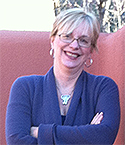
ABOUT WENDY STETINA: Wendy Stetina is a sales and marketing professional with over 30 years experience in the printing and publishing industry. Wendy works as the Director of Author Services for Outskirts Press. The Author Services Department is composed of knowledgeable customer service reps and publishing consultants; and together, they all focus on educating authors on the self-publishing process in order to help them publish the book of their dreams. Whether you are a professional looking to take your career to the next level with platform-driven non-fiction, or a novelist seeking fame, fortune, and/or personal fulfillment, Wendy Stetina can put you on the right path.

How to Organize Your Self-Published Novel

There are many ways to organize a novel. Many writers follow a traditional rise and fall plot line, while other writers play with unconventional methods such as moving back and forth between time periods or points of view. While it is up to you how you decide to organize your novel, there are a few things you need to keep in mind. While outlining your story, ask yourself these questions.

1) What happens in the beginning of the book to hook my reader?

2) What will make the reader keep reading the book?

3) Is the story understandable?

4) Have I covered all the information I need to share?

As you write your novel, don’t be afraid to experiment with different techniques. Also, read tons of books in your genre (as well as those outside your genre) to get ideas. Finally, always have someone else read your draft. Whether you hire a professional editor or ask a friend you trust, get feedback from a reader.

ABOUT WENDY STETINA: Wendy Stetina is a sales and marketing professional with over 30 years experience in the printing and publishing industry. Wendy works as the Director of Author Services for Outskirts Press. The Author Services Department is composed of knowledgeable customer service reps and publishing consultants; and together, they all focus on educating authors on the self-publishing process in order to help them publish the book of their dreams. Whether you are a professional looking to take your career to the next level with platform-driven non-fiction, or a novelist seeking fame, fortune, and/or personal fulfillment, Wendy Stetina can put you on the right path.

Balcones Fiction Prize

The Creative Writing Department at Austin Community College is committed to recognizing outstanding works of literary merit through its Balcones Literary Prizes. The program is currently accepting submissions for books published in 2011. The deadline for submission is January 31, 2012.

Last year’s winner, Linh Dinh, was awarded $1,500 and was flown to Austin, Texas for a public reading. Congratulations Linh Dinh!

For more information on how to enter, please visit http://www.austincc.edu/crw/html/balconescenter.html.

ABOUT KELLY SCHUKNECHT: Kelly Schuknecht is the Vice President of Outskirts Press.  In addition to her contributions to the Outskirts Press blog at blog.outskirtspress.com, Kelly and a group of talented marketing experts offer book marketing services, support, and products to not only published Outskirts Press authors, but to all authors and professionals who are interested in marketing their books and/or careers. Learn more about Kelly on her blog at http://kellyschuknecht.com.

Self-publishing Book Review of the Week: “Deadly Portfolio”

Deadly Portfolio: A Killing In Hedge Funds

John J. Hohn (2010) ISBN 9781432758752

Investing has always proven to be risky, but there are safer, less volatile bets than others. Hopefully trust in a financial advisor adds security to choices made, but how well do you really know him??? Who can you trust?

In the affluent lakeside community of Heron Lake, NC, the Fourth of July is a time for golfing, sailing, barbecuing and social climbing. Every year at this time financial advisors Matthew Wirth and Morrie Clay host a summer bash, entertaining wealthy friends and clients with the idea of cementing business deals and establishing social position. For Matthew Wirth this year marks hopes for a comfortable retirement, having worked hard to establish old-age security. Morrie Clay, quite a bit younger and more ambitious is eager to take over the client list and firmly establish his own name in financial and social circles. A bit over eager, he crosses ethical lines when he invests a client’s money in a hedge fund to make a quick profit. Without client consent he finds himself in career ending position when the fund tanks.

Rene McAllister, wife of multi-millionaire Alan “Mac” McAllister, is the client at the center of this misappropriation of funds. The morning after the party her dead body washes on shore. This begins to look more like a murder than a suicide to Detective James Raker. When young neighbor Jamie Sherman, a suspected drug dealer is also found dead, there is perhaps reason to believe the deaths are related. Adding to the mix is Mac’s discovery of mishandling of his wife’s funds. Morrie’s career is threatened as is his family’s comfortable lifestyle. Matthew’s reputation and retirement are also in jeopardy. In the midst of the investigation, law enforcement agencies seem to clash in cross purpose as Detective Raker doggedly follows his gut in pursuit of the killer.

“Deadly Portfolio” is a well written, intriguing mystery guaranteed to entertain. It provides study of the impact of acquisition of wealth of those who compromise their values only to discover that greed causes corruption and downfall.

Self-published Book Review of the Week by Enid Grabiner for RebeccasReads.com


Self-publishing Guest Post – Ask the Book Doctor

Q: Please give general guidelines of word counts for short stories, novellas, novelettes, and novels. What is the minimum length for a short story? I have several that are only a few hundred words long. Are they short shorts?

Also, what is “dark fiction?”

A: Short stories have no minimum or maximum, but some publishers or contests have preferred lengths or maximums, so check with the publications or competitions where you plan to send your stories. A few hundred words may be considered a short-short, yes. Flash fiction might be even fewer than a hundred words.

The recommended length for a novel is between 50,000 and 100,000 words; anything under that word count might be considered a novella or a novelette; the two terms mean the same thing. Anything over that length might get a manuscript rejected, or a publisher might request that the manuscript be cut down to 100,000 words or under, to save on printing costs, unless you already have a strong following.

When you think of dark fiction, think of vampires, werewolves, serial killers, things that go bump in the night, Stephen King, horror, skinheads, Bram Stoker, zombies, evil, bloodthirsty beings, and the like.


Share this Post

Bobbie Christmas, book editor, author of Write In Style (Union Square Publishing), and owner of Zebra Communications, will answer your questions, too. Send them to Bobbie@zebraeditor.com. Read more “Ask the Book Doctor” questions and answers at http://www.zebraeditor.com.