Self Publishing Expectations

Self publishing a book is like delivering a baby. You must spend time nurturing and preparing for the birth to ensure a healthy child. If you rush the  process, you could potentially harm the child. The same is true for publishing. Many authors have a deadline in mind when they decide to self publish their books. While deadlines can provide positive motivation, they can also be detrimental to the success of your book. Great books take time to complete, just like healthy babies take nine months to be born. Here are a few ideas to make sure you don’t rush the self-publishing process.

1) Don’t schedule marketing events until you have your completed book in hand. There is nothing worse than canceling marketing events because your book isn’t complete.

2) Do your homework. Research the self-publishing company you plan to use. Ask questions. Read the website. Learn everything you can about the publication process and the cost. Also, express your expectations. Find out what types of author support are available, and find out what they expect from their authors.

3) Take the time to submit a manuscript that is error free. (A professional edit is usually a good idea.)

4) Review proofs carefully. Make sure corrections are done properly.

5) Enjoy the process. Publishing a book is a major accomplishment. Instead of rushing it, take the time to savor each moment.
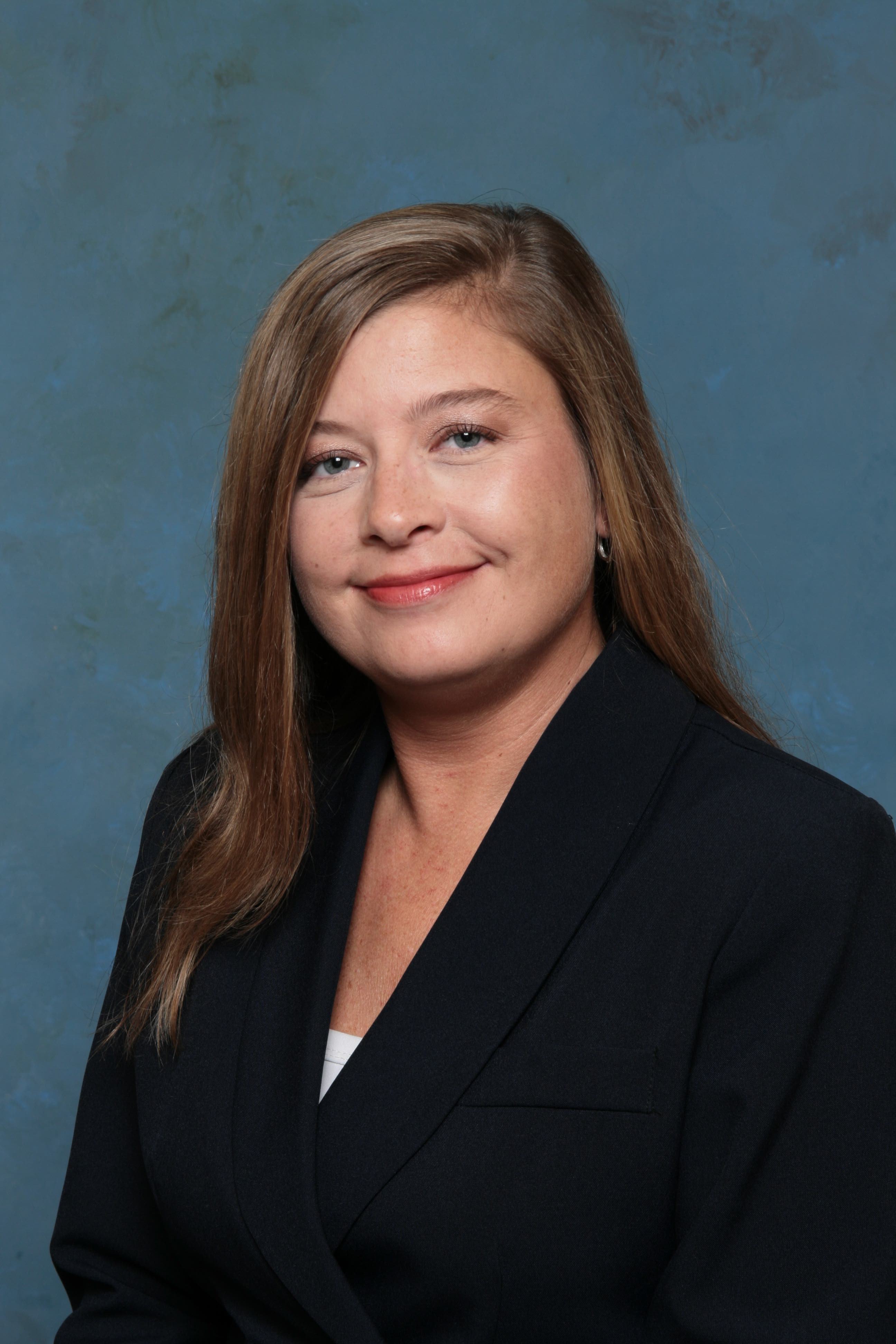
 

Cheri Breeding ABOUT CHERI BREEDING:
Since 2005 Cheri Breeding has been working as the Director of Production for Outskirts Press. In that time, she has been an instrumental component of every aspect of the Production Department, performing the roles of an Author Representative, Book Designer, Customer Service Representative, Title Production Supervisor, Production Manager and, Director of Production. She brings all that experience and knowledge, along with an unparalleled customer-service focus, to help self-publishing authors reach high-quality book publication more efficiently, professionally, and affordably.

Should You Hire An Editor?

In traditional publishing, there is a process to ensure that manuscripts are flawless, or at least near flawless; we all know that mistakes occasionally make it in to print. After submitting your manuscript to a publisher, it is reviewed by an editor and returned to you, the author, for review. After you have reviewed the manuscript and addressed any issues, the editor reviews the manuscript again, but it doesn’t end there. The manuscript is then proofread, either by the author or a professional proofreader. If everyone does their job correctly, you should publish a flawless book.

In self-publishing, however, it is up to you to edit your work. You can use spelling and grammar tools, but these programs are not flawless. They are not capable of recognizing typos or misused words, and believe it or not, sometimes the grammar suggestions are incorrect. The biggest problem with these tools is inconsistencies. Word processing programs are not designed to recognize style inconsistencies or factual inconsistencies. Only human eyes are capable of identifying these issues.

So how do you make sure your manuscript is flawless? One possibility is hiring a professional editor. This individual will be able to edit your manuscript with a fresh set of unbiased eyes. In addition to correcting spelling, grammar, and style errors, an editor can point out areas in the manuscript that are unclear or contradictory. Best of all, an editor will make your manuscript more professional. One of the biggest misconceptions about self-publishing is that the books are poorly written and filled with errors. The easiest way to dispel that myth is to treat your manuscript as a professional book and take charge of the editing process.

To find an editor, check out websites such as craiglist.com, elance.com, guru.com, and outskirtspress.com. You can also search Google for editors near you, and ask other writers for recommendations.

Cheri Breeding

ABOUT CHERI BREEDING:
Since 2005 Cheri Breeding has been working as the Director of Production for Outskirts Press. In that time, she has been an instrumental component of every aspect of the Production Department, performing the roles of an Author Representative, Book Designer, Customer Service Representative, Title Production Supervisor, Production Manager and, Director of Production. She brings all that experience and knowledge, along with an unparalleled customer-service focus, to help self-publishing authors reach high-quality book publication more efficiently, professionally, and affordably.

Self-Publishing Author: There’s a Problem with Your Book

Today’s post is by publishing industry expert, Cheri Breeding.

Your book published. Your family and friends have bought it. You’re excited…until they call you to tell you there were so many grammatical errors in the book that it was difficult to finish reading. “Oh no, I should have paid for copyediting”. Now you run the risk of “looking” unprofessional in the author community.

Too often authors are faced with the decision to either save their pennies or invest in editing services. They decide to bypass the editing. Fast forward to publication and many authors wish they would have made the extra investment. Even if you have gone through your manuscript with a fine tooth comb and had friends or family look it over, you’re almost guaranteed to find mistakes at publication. As a matter of fact, when you pay for professional copyediting services, the editor normally still has a 5% margin for error. With that margin of error from fresh and professionally trained eyes, imagine the level of error from amateur and familiar eyes.

When asked what they would have done differently when self-publishing their book, most authors agree they would have invested more money into professional copyediting and customizing their book cover.

So, I’m sold on the need for copyediting service, what do I need to know about working with an editor? Here are a few tips/things to keep in mind when you hire an editor:

  • Proofread and spell-check your work before sending it to an editor.
  • Remember that Editors are human and many work with about a 5% margin of error.
  • There are different levels of editing intensity: basic, moderate, and extensive.
  • Basic copyediting typically catches about 70% of errors in a manuscript.
  • As a self-publishing author, don’t focus on what the editor didn’t find, but rather what WAS found.
  • Review your manuscript again after you receive it from the editor to check for errors they may have missed.

If you want to be a successful author, it is important that you take the publishing process very seriously. That includes investing extra money into creating a polished product.


Cheri Breeding ABOUT CHERI BREEDING:
Since 2005 Cheri Breeding has been working as the Director of Production for Outskirts Press. In that time, she has been an instrumental component of every aspect of the Production Department, performing the roles of an Author Representative, Book Designer, Customer Service Representative, Title Production Supervisor, Production Manager and, Director of Production. She brings all that experience and knowledge, along with an unparalleled customer-service focus, to help self-publishing authors reach high-quality book publication more efficiently, professionally, and affordably.


DISCUSSION: Did you have a professional edit your book? If not, do you wish you did?