The Truth About Copy Editing

You’ve probably heard that if you want your self-published book to be taken seriously, you should hire a professional copy editor. Before you do, there are a few things you should know.

There might still be errors.

How many times have you read a national publication or a book by a top publishing house and found an error? Even the best editors and proofreaders make mistakes.  While hiring a professional will significantly improve the quality of your book, don’t be surprised if one or more errors make it into print. An occassional error does not mean that the editor did a poor job; it just shows that editors are human.

You get what you pay for.

Copy editors charge per word, hour, page or project. The cost of the edit depends on the number of times the editor readers through your manuscript. If you only pay for a single line edit, the editor will only read your manuscript once. Therefore, there is a good chance that there will still be errors in your book. If you want a more thorough edit, you must pay the editor to spend more time on your book. When hiring an editor, be sure to find out how many times he or she will read through your manuscript.

Editors must be paid.

I’ve occasionally had to deal with writers who refused to pay for editing services because their manuscript was not flawless or the writer disagreed with some of the editor’s recommendations. Editors are professionals, and they earn their living by editing materials such as books. You cannot decide to not pay for services because they did not catch all of the errors, especially if you only paid for a single line edit. You need to be realistic about your expectations and respectful to the person working on your book.


Don’t let this information discourage you from hiring a professional copy editor. This service is an important part of the publication process, and it will significantly improve the quality of your book. However, you need to be realistic about your expectations. You cannot pay someone pennies to make your book flawless, and you cannot expect perfection every time. Copy editors desire fair wages for the time they spend on your book, and writers need to recognize that even the best copy editors make mistakes.
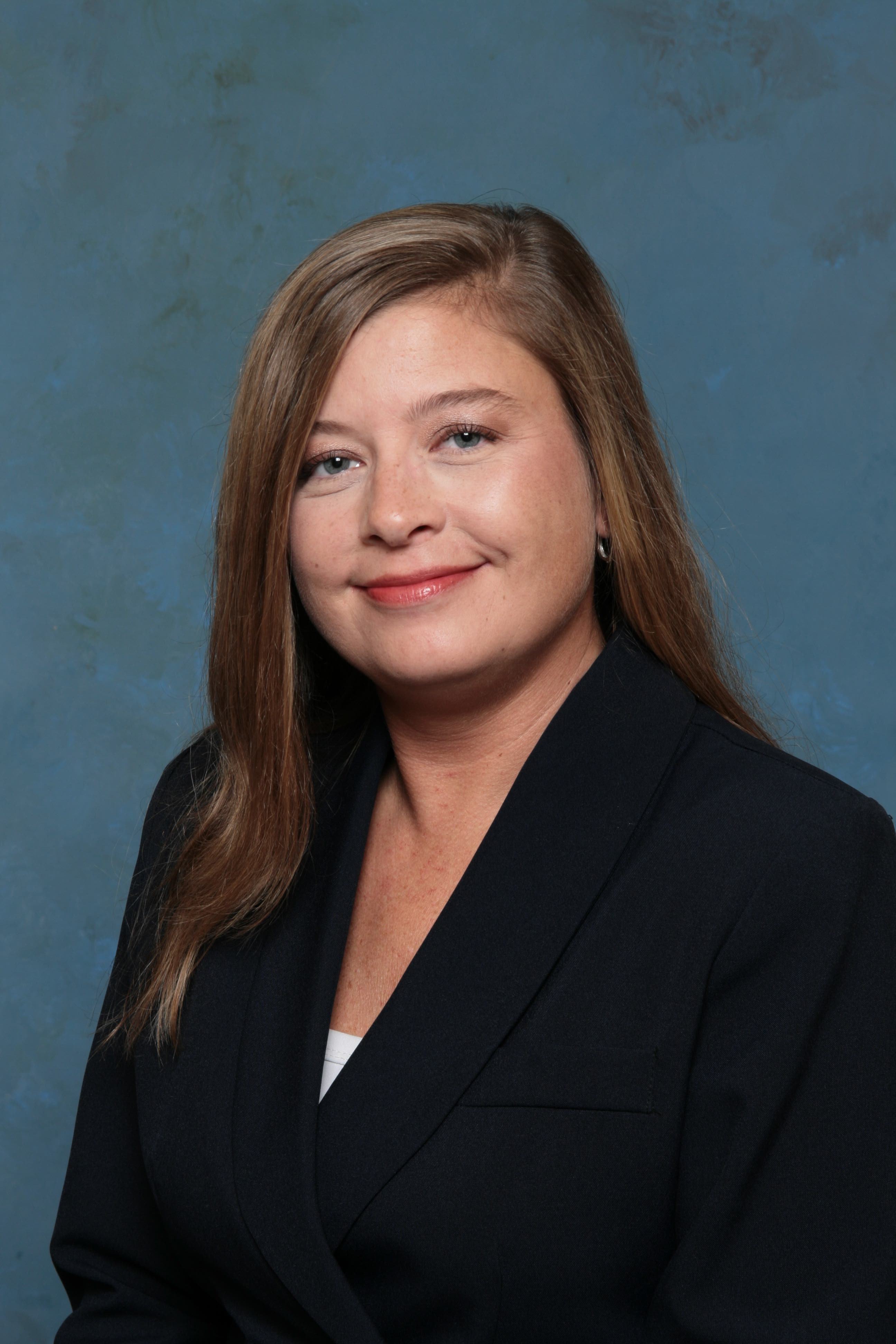
Cheri Breeding ABOUT CHERI BREEDING: Since 2005 Cheri Breeding has been working as the Director of Production for Outskirts Press. In that time, she has been an instrumental component of every aspect of the Production Department, performing the roles of an Author Representative, Book Designer, Customer Service Representative, Title Production Supervisor, Production Manager and, Director of Production. She brings all that experience and knowledge, along with an unparalleled customer-service focus, to help self-publishing authors reach high-quality book publication more efficiently, professionally, and affordably.

Self Publishing vs. Traditional Publishing

There are many similarities and differences between self publishing and traditional publishing. Before deciding which option is right for you, you need to understand the two types of publishing. Here is some information to get you started.

What Both Offer

The outcome of both types of publishing is the same: your book is published. Therefore, there are some services offered by both traditional publishing companies and self publishing companies. These services include:

  • wholesale distribution
  • automatic online listings with top online sellers
  • marketing support to help you sell your book
  • book orders are filled for you

What is Different

While the outcome is the same, the process is very different. For starters, authors who decide to publish with a traditional company must find an agent or submit query letters directly to publishers. This process can be daunting and discouraging since authors get more rejection letters than acceptance letters. Self-published authors must research companies prior to publishing, but they don’t have to worry about agents and editors determining the value of their book. They determine the value of their book.

Another main difference is the control. You determine the content, layout and price of your book. With this freedom, comes the responsibility to thoroughly review the galley proofs provided by your self publishing company. You will need to review the text and layout of the proofs.

When choosing a self publishing company, be sure to do your research. Find out what services the company offers. Don’t be afraid to ask questions or to talk to other authors to find out their experiences. Be sure to find a company, whether traditional or self publishing, that matches your goals and values.

Cheri Breeding ABOUT CHERI BREEDING: Since 2005 Cheri Breeding has been working as the Director of Production for Outskirts Press. In that time, she has been an instrumental component of every aspect of the Production Department, performing the roles of an Author Representative, Book Designer, Customer Service Representative, Title Production Supervisor, Production Manager and, Director of Production. She brings all that experience and knowledge, along with an unparalleled customer-service focus, to help self-publishing authors reach high-quality book publication more efficiently, professionally, and affordably.

Copyediting 101

You’ve spent weeks, months and maybe even years working on your book. You’ve read and revised the manuscript several times. Now it is ready for publication, right? Wrong. No matter how good of a writer you are or how many times you’ve proofread and revised your book, you need to consider professional copyediting if you want your book to be taken seriously. Here are three reasons why.

1) Copyediting is More than Proofreading

Most books are expected to adhere to the Chicago Manual of Style guidelines. (There are other styles  for certain books such as medical or scientific books.) The Chicago  Manual of Style has specific guidelines on everything from numbers to hyphens to spellings. The most important style issue is consistency. For instance, if you use the word “e-mail” in chapter one, you can’t later spell it as “email” in chapter six. While proofreaders can find obvious errors such as spelling mistakes or typos, they don’t find the larger errors a copyeditor looks for.

2) It is Almost Impossible to Edit Your Own Work

Sure, you can read your work several times and find mistakes, but most authors cannot thoroughly edit their own work. This is because you are so familiar with your manuscript that you look over mistakes a new set of eyes would find. Also, you may not have the skills needed to perform a copyedit. Copyeditors are considered professionals for a reason.

3) A Flawed Book Won’t be Taken Seriously

Yes, even books published by top publishing houses and well-known authors occasionally have errors. It is impossible for every writer and every editor to always catch every error, but professional books are almost 100% error free. If your book is riddled with errors, no one will take your book seriously. You will be subject to the harsh criticism that sometimes surrounds self-published authors. Prove to your readers and your critics that you value your book and you are a professional by hiring a professional copyeditor to review your book before publication.

If you are interested in hiring a professional copyeditor, find out what services are available through your self publishing company. You can also find professional copyeditors online or ask writer friends to recommend a copyeditor they have used.

I’d love to know, do you plan on hiring a copyeditor?

ABOUT WENDY STETINA: Wendy Stetina is a sales and marketing professional with over 30 years experience in the printing and publishing industry. Wendy works as the Director of Author Services for Outskirts Press. The Author Services Department is composed of knowledgeable customer service reps and publishing consultants; and together, they all focus on educating authors on the self-publishing process in order to help them publish the book of their dreams. Whether you are a professional looking to take your career to the next level with platform-driven non-fiction, or a novelist seeking fame, fortune, and/or personal fulfillment, Wendy Stetina can put you on the right path.

What You Need to Know About Custom Covers

You’ve heard the cliché “A picture is worth a thousand words.” This is especially true in the publishing industry. The cover is the first impression a reader gets of your book. Therefore, it needs to be appealing and professional, but it should also reflect the tone and style of your book. If you have a specific vision of your book’s cover, you are probably considering a custom cover. However, there are two different types of custom covers. Here are the basics.

Regular Custom Covers vs. Illustrated Custom Covers

Regular custom covers are created with photos from a photo image site. Illustrated custom covers are drawn by professional illustrators. If you take a trip to the bookstore or browse book covers online, you will see that covers with photos and covers will illustrations are two very different styles. Also, illustrated covers offer more unique designs. The type of custom cover you choose depends on your vision.

Choosing a Cover

When deciding whether to choose a regular custom cover or illustrated customer cover, consider these questions:

  • What do I want my finished book to look like?
  • What do other books in my genre look like?
  • What insight has my market research provided about cover art?
  • What is my budget for cover art?

I’d love to know, do you plan on using a regular custom cover or an illustrated custom cover?

Cheri Breeding ABOUT CHERI BREEDING: Since 2005 Cheri Breeding has been working as the Director of Production for Outskirts Press. In that time, she has been an instrumental component of every aspect of the Production Department, performing the roles of an Author Representative, Book Designer, Customer Service Representative, Title Production Supervisor, Production Manager and, Director of Production. She brings all that experience and knowledge, along with an unparalleled customer-service focus, to help self-publishing authors reach high-quality book publication more efficiently, professionally, and affordably.

Why You Should Consider Self Publishing

Like many things, self publishing has its pros and cons. I won’t lie; self publishing is not for everyone. However, it is a good option for many people, depending on your goals and values. If you have been considering self publishing, here are two reasons why self publishing may be right for you.

Control

One of the biggest benefits of self publishing is control. Unlike traditional publishing, authors have full control over all the details, including cost and design. With traditional publishing companies, authors typically have to give up rights and control. The traditional publishing company determines how your book is designed. The traditional publishing company determines the price of your book. While some authors have no problem giving up control and rights, many authors want to have more say in the publishing process. After hours, days, and maybe even years of writing your book, you may not be willing to surrender control to a traditional publishing company. If you want to make the decisions during every part of the publication process, self publishing may be for you.

Accessibility

It is no secret that traditional publishing deals are hard to come by. Authors who go the traditional route are often overwhelmed with rejection letters. Many spend years trying to get their book published only to discover that it is never going to happen. Often, it is not because the book has no merit. It is because the publishing company does not believe they can make money off of the book. Publishing is a business. Therefore, rejection is not always a reflection of talent.

Self publishing guarantees publication. You determine if there is a market for your book. You decide the value of your book. This option is especially viable for books with a niche market. Major publishing companies may not be able to make money off a book written for a niche market, but that doesn’t mean that you can’t. If you believe in your book, you can decide whether or not it should be published.

ABOUT WENDY STETINA: Wendy Stetina is a sales and marketing professional with over 30 years experience in the printing and publishing industry. Wendy works as the Director of Author Services for Outskirts Press. The Author Services Department is composed of knowledgeable customer service reps and publishing consultants; and together, they all focus on educating authors on the self-publishing process in order to help them publish the book of their dreams. Whether you are a professional looking to take your career to the next level with platform-driven non-fiction, or a novelist seeking fame, fortune, and/or personal fulfillment, Wendy Stetina can put you on the right path.