Self-Publishing FAQ: Four Questions Answered

Throughout the month of July I discussed topics that often come up for self-publishing authors.  Without an experienced agent, many self-publishing authors find that it’s tough to get the answers to their questions about rights and permissions.  The July series was designed to help answer some of the questions you may have and to direct you to other sites where you can get more information on each topic.  If you missed the series, here is an overview of the topics I discussed and links to more information.

Parts of My Book are True, Can It Still Be Fiction?

Many authors aren’t sure whether to label their work as fiction or non-fiction, a novel or memoir. It is important that writers understand the differences between the two in order to avoid legal issues. The main message is this: if it’s not 100% true, it’s not non-fiction and readers need to be aware that at least parts of the book are fictitious.

Can My Non-Fiction Book be Considered Libelous?

Libelous statements are published statements that are false and damaging. They can be made against people or products. For someone to have a case against you, the statement must be three things: untrue, damaging, and knowingly false. Public officials and public figures must also prove malice.

Can I Use Images From the Internet in My Book?

Many self-publishing authors aren’t sure whether or not they can use internet images in their books. The same copyright laws apply to images found on the internet as any other images. Most of them are protected by copyrights and require permission to use.

Can I Use Song Lyrics in My Book?

The Fair Use rule does not apply to song lyrics. You need permission unless you are only using a song title or if the lyrics are in the public domain. You will also need permission to play recorded music in your book trailer.

For more information on these topics, you can click on the title to visit the original post, which includes links to additional resources. Also, if you have questions about self-publishing, comment below and I will try address them in future posts.

ABOUT KELLY SCHUKNECHT: Kelly Schuknecht is the Vice President of Outskirts Press. In addition to her contributions to the Outskirts Press blog at blog.outskirtspress.com, Kelly and a group of talented marketing experts offer book marketing services, support, and products to not only published Outskirts Press authors, but to all authors and professionals who are interested in marketing their books and/or careers. Learn more about Kelly on her blog at http://kellyschuknecht.com.

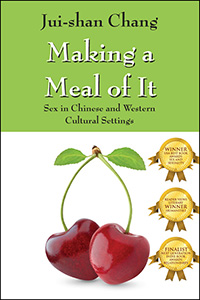
Weekly Self Published Book Review: Making a Meal Of It

Book reviews are a great way for self-publishing authors to gain exposure. After all, how can someone buy your book if he or she doesn’t know it exists? Paired with other elements of your book promotion strategy, requesting reviews is a great way to get people talking about what you’ve written.

When we read good reviews, we definitely like to share them. It gives the author a few (permanent) moments of fame and allows us to let the community know about a great book. Here’s this week’s book review by Midwest Book Review:

making a meal of it

Making a Meal Of It

Jui-shan Chang

Publisher: Outskirts Press

ISBN: 9781432768218

Sex is twisted in many ways throughout the world. “Making a Meal of It: Sex in Chinese and Western Cultural Settings” discusses sexuality through the cultural divide, as Jui-Shan Chang speaks on making the bridge and offering plenty to consider for those who want to enhance their sexuality mindfully, with the eastern idea of treating it as a meal of sustenance instead of a game. “Making a Meal of It” is an intriguing breakdown of sexual philosophy and is worth considering.

Questions Self Publishing Authors Ask: Parts of My Book are True, Can It Still Be Fiction?

Throughout the month of July I will be discussing topics that often come up for self publishing authors.  Without an experienced agent, you may have found that it’s tough to find the answers to your questions about rights and permissions.  These posts are designed to help answer some of the questions you may have and will direct you to other sites where you can get more information on each topic.  Come back each Wednesday this month for more informational posts to help you in your self publishing journey.  If you have additional questions, please send us a comment and we’ll add it to our list of topics to cover in the coming weeks.

This week I will address the question: Can my book be fiction if parts of it are true? Sometimes authors aren’t sure which genre their book belongs in. Some writers loosely base their books on their life but add details to make the plot or characters more interesting. Other writers write about their personal life experiences and only change character names. Here is what you need to know when deciding whether your book should be fiction or nonfiction.

  • Changing the names in a memoir does not necessarily protect you from a lawsuit if the characters are recognizable as real people.
  • If you are labeling your book as a memoir but names have been changed, be sure to disclose this.
  • If the book is not as truthful as possible, it is not a memoir. It is a novel. This means if you’ve added details such as extra characters or another plot line, it is fiction.
  • If you write a book that is inspired by your life events and you want readers to know these events really happened, label the book as fiction and note in your author’s biography that the book is inspired by real events.
  • If you are writing a biography, it is essential to verify all facts for accuracy. If you aren’t certain the story is truthful, let the person be your inspiration for a novel.

To learn more about whether to label your book as fiction or nonfiction, check out these two great posts:

The Line Between Fact and Fiction

Fiction Or Nonfiction? Memoir Or Novel? Know What To Call Your Story Or Book

ABOUT KELLY SCHUKNECHT: Kelly Schuknecht is the Vice President of Outskirts Press. In addition to her contributions to the Outskirts Press blog at blog.outskirtspress.com, Kelly and a group of talented marketing experts offer book marketing services, support, and products to not only published Outskirts Press authors, but to all authors and professionals who are interested in marketing their books and/or careers. Learn more about Kelly on her blog at http://kellyschuknecht.com.

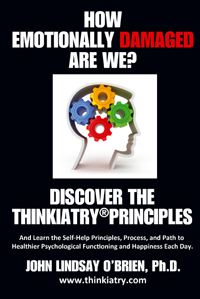
Weekly Self Published Book Review: How Emotionally Damaged Are We?

Book reviews are a great way for self-publishing authors to gain exposure. After all, how can someone buy your book if he or she doesn’t know it exists? Paired with other elements of your book promotion strategy, requesting reviews is a great way to get people talking about what you’ve written.

When we read good reviews, we definitely like to share them. It gives the author a few (permanent) moments of fame and allows us to let the community know about a great book. Here’s this week’s book review by Midwest Book Review:

9781432774547_cov.indd

How Emotionally Damaged Are We?

John Lindsay O’Brien

Publisher: Outskirts Press

ISBN:9781432774547

Unhappiness seems to be everywhere, with contentment seeming to be a myth. “How Emotionally Damaged Are We?” is a spin into happiness as John O’Brien suggests readers change the way they think and fight the way their world has crafted them into depression. Advocating mind over matter for life, “How Emotionally Damaged Are We?” is a solid recommendation for anyone who wants to conquer the old wounds of life. Highly recommended.

Questions Self Publishing Authors Ask: Non-Fiction Book Considered Libelous

Throughout the month of July I will be discussing topics that often come up for self publishing authors.  Without an experienced agent, you may have found that it’s tough to find the answers to your questions about rights and permissions.  These posts are designed to help answer some of the questions you may have and will direct you to other sites where you can get more information on each topic.  Come back each Wednesday this month for more informational posts to help you in your self publishing journey.  If you have additional questions, please send us a comment and we’ll add it to our list of topics to cover in the coming weeks.

This week I will address the question: Could my non-fiction book be considered libelous?  Many self publishing authors aren’t sure what libel is and how to avoid legal trouble. Here are some helpful things for you to know.

  • Libel can be against people or products.
  • Libelous statements are published statements that are false and damaging.
  • For someone to have a case against you, the statement must be three things: untrue, damaging, and knowingly false.
  • Plaintiffs must have evidence to prove that the libel statement caused them harm.
  • Public officials and public figures must also prove malice.
  • An excellent source on the topic of libel is the “Briefing on Media Law” portion of The Associated Press Stylebook.
  • When writing non-fiction, only write the truth. Otherwise, write fiction.
  • Keep records of your research in case you ever need to prove that a statement is true.

To learn more about libel, check out this great post: http://www.writing-world.com/rights/libel.shtml.

ABOUT KELLY SCHUKNECHT: Kelly Schuknecht is the Vice President of Outskirts Press. In addition to her contributions to the Outskirts Press blog at blog.outskirtspress.com, Kelly and a group of talented marketing experts offer book marketing services, support, and products to not only published Outskirts Press authors, but to all authors and professionals who are interested in marketing their books and/or careers. Learn more about Kelly on her blog at http://kellyschuknecht.com.