
BENEFITS OF WRITING SIGHT AND SOUND SCENES
Have you found your perfect writing environment? Is it a room with bookshelves on three walls, a comfy reading chair in one corner and your computer desk in the other? Does the remaining wall hold a wide bay window, or French doors that open to your expansive tree-shaded yard? OR is your writing space the laundry folding table in the basement next to the washer and dryer?
Wherever your creative writing location might be, and whatever sights and sounds you may be dealing with as you develop your books, this month I will encourage you to allow your imagination the freedom to send exquisite sights and sounds to your Readers. Each new generation of scientific research proves validity of what authors known for centuries: Readers need to see and hear in order to feel what our characters are experiencing. When they do, they will buy—and keep buying—our books.
When I was teaching high school students World Literature and Advanced Writing, they taught me a lot about the value of communication because their “world” is now ninety percent (or more) visually enhanced soundtracks. So when I requested they read Hard Times by Charles Dickens they’d already heard the opinions of other students and the groans cascaded around the room. The “reading” assignment I gave them surprised even me: draw me a picture or create a cut-out collage of what you’re seeing and hearing about these characters lives.
Dickens wrote extensive descriptive paragraphs depicting a grim and grey town suffocated by industrial industries yet filled with the tapestry of Victorian daily life. The students met the challenge and became more aware of the life some of their ancestors survived. Will they be fans of Charles Dickens? Probably not. However, they will appreciate the view he gave them.
 To balance their reading assignments a later assignment was Cry, the Beloved Country by Alan Paton. Here we are exposed to the sights and sounds of South Africa and the visual and palpable story of a Zula father’s search for his children. Often the beauty—or harshness—of the environment gives the author the contrast needed to carry the story.
Here are my first three tips to enhance or begin building your descriptive writing skills:
- THINK MOVIE. Go to the library or your video collection or “on demand” selections on your TV and watch several movies that relate to the genre you’re writing. TAKE NOTES of the sights and sounds that effect and affect you.
- OBSERVE the details as if you’re looking through a camera lens. Ask yourself “Why” the director focused on that/those images—then write out your answer.
- LISTEN to the soundtrack. Replay the movie and close your eyes (or turn away from the screen) as you block out as much of the dialogue as possible and discover the sounds of this story. Be as descriptive as you can in explain (make notes about) what you’re hearing. If a separate soundtrack has been produced you can usually find that through libraries.
There are times I envy authors who lived and wrote their books in the 1800s or 1900s. Then I sit down at my computer, in my 10×10 “office” that I share with my husband, and open a narrow window to listen to birds and dogs and wind and the occasional neighborly conversation three floors below. This is my season to write—my heartbeat on the world’s timeline—and I want to offer my best writing skills to Readers of today and future generations. I hope that is your goal, too. Let’s enjoy this journey together. ⚓︎

ABOUT ROYALENE DOYLE: Royalene has been writing something since before kindergarten days and continues to love the process. Through her small business—DOYLE WRITING SERVICES—she brings more than 40 years of writing experience to authors who need “just a little assistance” with completing their projects. This is a nice fit as she develops these blogs for Outskirts Press (OP) a leading self-publisher, and occasionally accepts a ghostwriting project from one of their clients. Her recent book release (with OP) titled FIREPROOF PROVERBS, A Writer’s Study of Words, is already receiving excellent reviews including several professional writer’s endorsements given on the book’s back cover.
Royalene’s writing experience grew through a wide variety of positions from Office Manager and Administrative Assistant to Teacher of Literature and Advanced Writing courses and editor/writer for an International Christian ministry. Her willingness to listen to struggling authors, learn their goals and expectations and discern their writing voice has brought many manuscripts into the published books arena.
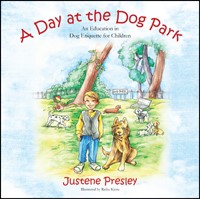 and gives writers a peek into “ordinary days” that just might be useful in “scene development” for your novels.
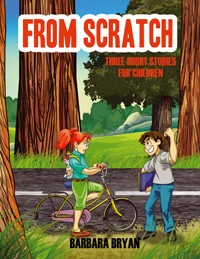 Author Barbara Bryan has published several books including this one titled: FROM SCRATCH, Three Short Stories. The theme is “Everyone Needs a Helping Hand.” I love this concept because I’ve always found it hard to ask for help. AND YET, being a writer/author I, too, have sought help to develop writing skills from character development to book marketing and more. But it’s not always easy to admit that we need help…and it’s valuable to learn when to offer help, too.
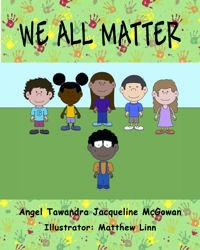 excellent story about a boy who is being overlooked and ignored by his classmates, which makes him feel all alone, it is authored by a young woman I would love to meet someday. McGowan broke into the publishing world at the age of fifteen and has been winning awards ever since. Her ability to expose the bare bones of issues that are harmful to our children (of all ages) will make a big difference in the lives of future generations!
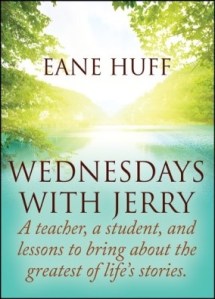 The first example I’ve selected today is by author Eane Huff. I must admit that I was drawn to the book by the author’s last name because of my friendship with a husband and wife writing team who share that name. I have no idea if they are related. However, Eane Huff’s book Wednesdays with Jerry, definitely fits my friends’ concept of encouraging others.
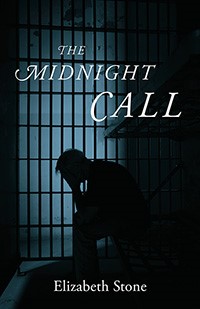 moments it reveals. However, by honestly sharing the events in her son’s life it is the author’s hope that—as people read the pages of their family’s true story—they will find the support and encouragement needed to go beyond surviving the moments of their own difficulties to find the brighter days of tomorrow.
 this genre. Author Rachel Dupree-Grant offers her true life story—Being Strong in the Faith—that demonstrates it is possible to rise from poverty and climb the ladder of success no matter the obstacles or abuses or storms that are thrown against you. Through every situation she believes God is a Healer and a mountain mover. Rachel includes Scriptures and prayers that help us all grow in Faith and “be strong.”
 Author, Mary Johnson-Gordon, writes of her personal experiences in Revealing Divine Mysteries of the LORD of Mercy. With boldness she informs us that her book publishing is mandated by God so that all people will know of His extreme—and very real—love for us. Detailing her visions and transport into Heavenly realms where she is taught many things we close the book praying for such a close walk with God. The revelations are, indeed, inspiring and have led me to consider my own writer’s calling—the skills God has planted in me to be an active part of His plans.
 Marrandette offers us sensible Biblical principles in Life’s Too Short To Eat Bad Cheese, as she shows us how to restore and maintain our health and vitality. I love her quote on Amazon: “…people needlessly consume ‘sticks and twigs’ or drink tasteless protein shakes when God has already given us a perfect dietary plan in Genesis.” I don’t know about you, but all my life I’ve heard that “if you just quit eating chocolate and cheese you’ll lose weight.” Finding this author’s book give a whole new perspective for me.
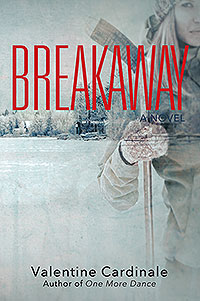 Just recently I discovered the author Valentine Cardinale—wondering if that is a pseudonym—then discovering it’s his real name and a memorable author’s name it is, indeed. His most recent book release is BREAKAWAY staring Father Richard Bianchi who can’t help but become a “private” investigator in the drama surrounding
  The second novel I’ve recently found is
  Self Publishing Advisor