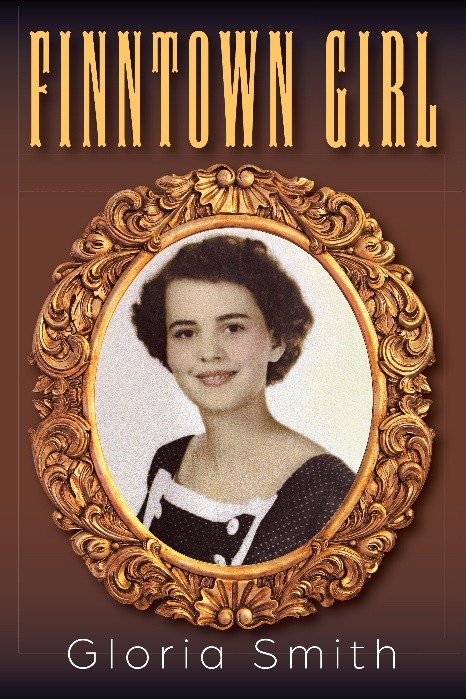
Book Showcase: Discover the Quiet Power of Finntown Girl by Gloria Smith


Gloria Smith’s Finntown Girl offers a poignant, character-driven glimpse into a little-known chapter of American history. Set in 1940s rural Georgia, this young adult novel explores the resilience of a Finnish-American girl named Helmi as she navigates cultural identity, silence, faith, and family hardship. With emotional depth and literary grace, Finntown Girl is a novel that stays with you—and it belongs on the shelf of every reader who appreciates coming-of-age stories grounded in both history and heart.

Here’s why Finntown Girl deserves a spot on your TBR list or your next book club discussion:

IF YOU LIKED THESE TOP 5 YA NOVELS, YOU’LL LIKE FINNTOWN GIRL

If you were moved by the heartfelt journeys in these emotionally resonant YA novels, you’ll likely connect with Helmi’s story in Finntown Girl. Gloria Smith’s debut brings together themes of identity, resilience, and quiet strength in the face of hardship:

  1. To Kill a Mockingbird by Harper Lee – Like Scout, Helmi offers a young perspective on injustice and family complexity.
  2. Out of the Dust by Karen Hesse – Both novels depict girls growing up in poverty-stricken, rural settings with lyrical sensitivity.
  3. The Book Thief by Markus Zusak – Readers who loved Liesel’s introspection and survival through silence will find a kindred spirit in Helmi.
  4. Brown Girl Dreaming by Jacqueline Woodson – Helmi, like Jacqueline, straddles two cultural identities with poise and reflection.
  5. Esperanza Rising by Pam Muñoz Ryan – A young girl navigating loss, change, and cultural dislocation connects these two stories.

If these titles are on your favorites shelf, Finntown Girl will be a powerful next read.

THE FINNTOWN GIRL PLAYLIST: SONGS TO SET THE SCENE

Looking to immerse yourself in the emotional tone and time period of Finntown Girl? These songs reflect the bittersweet beauty of Helmi’s 1940s Southern world—where hardship, hope and quiet strength intertwine:

  • “Dream a Little Dream of Me” – Doris Day
  • “Blueberry Hill” – Fats Domino
  • “In the Mood” – Glenn Miller
  • “Don’t Sit Under the Apple Tree” – The Andrews Sisters
  • “Ain’t Misbehavin'” – Fats Waller
  • “What a Wonderful World” – Louis Armstrong

Play these while reading for a fully atmospheric experience.

CHARACTER SPOTLIGHT: MEET HELMI

In Finntown Girl, we meet Helmi, a quiet, introspective Finnish-American girl growing up in the backwoods of Georgia during World War II. Her world is small but filled with challenges—family trauma, poverty, and cultural friction—yet Helmi’s internal strength is quietly transformative.

Like Francie Nolan in A Tree Grows in Brooklyn or Cassie Logan in Roll of Thunder, Hear My Cry, Helmi doesn’t set out to be a hero. But her authenticity, empathy, and quiet resilience make her one. Her story resonates deeply with readers who value richly developed characters and emotionally honest storytelling.

BOOK CLUB PICKS: IF YOU ENJOYED THESE, TRY FINNTOWN GIRL

If your book club enjoyed these five titles, consider Finntown Girl for your next discussion:

  1. Roll of Thunder, Hear My Cry by Mildred D. Taylor
  2. Between Shades of Gray by Ruta Sepetys
  3. Inside Out and Back Again by Thanhhà Lai
  4. The War That Saved My Life by Kimberly Brubaker Bradley
  5. A Tree Grows in Brooklyn by Betty Smith

Each of these novels—like Finntown Girl—offers a thoughtful look at a young girl’s journey to find her place in the world. Together, they provide rich terrain for discussion around courage, cultural identity, history, and hope.

5 THINGS THAT MAKE FINNTOWN GIRL A RICH CULTURAL EXPERIENCE

Finntown Girl is more than a coming-of-age novel—it’s also a layered, culturally rich portrait of a rarely depicted immigrant community in the American South. Here are five elements that give the book its historical and emotional depth:

  1. The sauna as sanctuary. A central part of Finnish life, the sauna represents more than hygiene—it’s spiritual, familial, and symbolic of cleansing and renewal.
  2. Bilingual identity. Helmi’s navigation between Finnish and English reflects the larger struggle of immigrant families to preserve heritage while assimilating.
  3. Lutheran grounding. Deep-rooted religious values shape many of Helmi’s actions and thoughts, from her understanding of forgiveness to her sense of duty.
  4. Silence as strength. Helmi’s reserved nature reflects a cultural tradition where emotional restraint is not weakness, but wisdom.
  5. Collective resilience. The tight-knit Finnish community in the novel demonstrates how mutual aid and shared values help families survive adversity.

These authentic details give Finntown Girl a distinctive voice in the YA historical fiction landscape.

Whether you’re a lover of quiet stories with big emotional impact, a fan of historical fiction, or a book club looking for your next deep discussion, Finntown Girl by Gloria Smith offers something special: a literary journey into a hidden corner of America’s past told through the brave eyes of a girl named Helmi.

Learn more or order your copy at Outskirts Press https://outskirtspress.com/finntowngirl

This content was enhanced through collaboration with AI-powered creativity applications.

Why Discoverability is the Real Battle in Self-Publishing


Self-publishing has never been easier—or more competitive. Advances in technology have empowered writers to bypass traditional gatekeepers, design professional-looking covers, and upload manuscripts with a few clicks. But with that power comes a hidden challenge many authors underestimate: discoverability.

Every day, thousands of new books are added to digital storefronts. That means your masterpiece isn’t just competing with traditionally published bestsellers, but also with a tidal wave of self-published books across every genre imaginable. The question becomes: how will readers find yours?

Strong writing is a good start, but only the foundation. Self-published authors now wear multiple hats—marketer, co-designer (because presumably you’re also using the expert assistance of an actual designer, right?), strategist—all rolled into one!

Understanding how metadata works (title, subtitle, keywords), leveraging categories, building an author platform, and gathering reviews are all crucial to standing out. Every detail matters, even ones you may not initially consider—like your book’s description or cover thumbnail—can impact your visibility and conversions.

Social media, email newsletters, podcast interviews, and Amazon advertising all play a role. But none of them guarantee sales. Discoverability isn’t solved with a single post or promotion; it’s a sustained effort, requiring time, patience, and a willingness to treat your book like a long-term product—not just a launch event.

That’s why the term “self-published author” has evolved—from the lone wolf handling every task solo to the savvy creative who partners with seasoned self-publishing professionals. These experts bring decades of experience to help ensure the book you’ve poured your heart and soul into actually reaches the readers who deserve to read it.

This content was enhanced through collaboration with AI-powered creativity applications.

The Challenge of New Book Discovery May Not Affect Self-Publishing Authors

As a self-publishing author, one of the biggest challenges you may face is getting new people to learn about you and your book. After all, experience suggests that successfully publishing a book involves 20% of your efforts toward writing and 80% of your efforts toward marketing.

At any rate, on sites such as Paid Content (and even at BEA), book discoverability is a “hot topic” of sorts. In a recent article, they cited statistics from Codex Group to drive home the point that the decline of available brick-and-mortar booksellers has contributed to increased difficulty for authors to get new readers to discover their books. It seems that this mainly applies to traditionally-published authors. Why? Well, the decline of the brick-and-mortar booksellers seems to level the playing field, so to speak. With more readers turning to eBooks and online book shopping/browsing, this allows authors who have self-published to have a reach similar to that of authors who typically enjoy a strong bookstore presence.

How amazing is that? All authors have an equal opportunity for reader attention. Who would imagine such a possibility? Self-publishing authors can now use online book marketing methods — such as virtual book tours, social media, and videos to enhance their online visibility and increase reader interest in their books. Even something as simple as sprucing up their Amazon sales page can help.

At this point, I’m not understanding all of the fuss, unless you don’t want the playing field to be leveled…What are your thoughts?

Elise Connors ABOUT ELISE L. CONNORS:
Elise works as the Manager of Author Support of Outskirts Press.  She also contributes to the Outskirts Press blog at blog.outskirtspress.com. Elise and a group of talented book marketing experts assist not only published Outskirts Press authors, but also all authors and professionals who are interested in getting the best possible exposure for their book.