One of the most confusing topics for new authors is copyrights. I am constantly asked questions by new authors who want to avoid copyright infringements. Here are the questions I am most commonly asked.
Is my manuscript copyrighted when self publishing?
Yes, the copyright for your material was secured as soon as you created it, or when it became fixed in a manuscript for the first time. No publication, registration or any other official act is required to secure copyright.
If copyright is automatic, why should I register for a copyright?
Filing with the U.S. Copyright Office creates a public record of the basic information of your book, which gives you the ability to sue for infringement and statutory damages. Doing this creates a legal presumption that your copyright is valid and allows you to recoup up to thousands of dollars, and possibly attorney fees, without having to prove actual monetary harm.
How do you know if something in your book is copyright protected?
In most cases, any picture, material, text, information, quote, map, song, image or illustration that you personally did not create is copyright protected by the person(s) who created and/or published the material. Any text or pictures found in a book, magazine or newspaper is copyright protected by the publisher, artist photographer or some other entity. And yes, most information found on the internet is copyright protected. For example, if you pull material from Wikipedia, it’s copyrighted by somebody. Wikipedia is a non-profit site and therefore, can provide information without permission, but as an author using this information in your book, the original source must be contacted to obtain proper authorization to publish it for profit.
What is Fair Use?
Under “Fair Use,” some copyright protected material can be used without permission; however, there are no clear-cut rules, only guidelines and factors to be considered. Fair use is not a right, only a defense. If you are unsure, please consult a legal advisor or copyright researcher.
The following four factors are used to determine fair use: 1) The purpose and character of the use, including potential gains for commercial 2) The nature of the original copyrighted work 3) The proportion or percentage of the copyrighted material in relation to the work as a whole 4) The potential effect on the value of the copyrighted material.
Will citing the source of the material free you from copyright infringement?
No! Citing the source will not avoid possible court litigation. Permission must be obtained.
How can I avoid being accused of libel?
Stating an opinion is not libelous, though it’s best to be careful not to make an accusatory statement about anyone when using real names. Do not make the following statements, as they are clear grounds for a libel case: Falsely accusing someone of a crime, or having been charged, indicted or convicted of a crime; falsely identifying someone with an infectious disease; falsely charging someone or an organization with a claim that discredits a business or office and lowers their profitability; and falsely accusing someone as being impotent.
Seriously consider if you are self-publishing a book that reveals information that could damage someone, and consult with an attorney or copyright research firm. If you are publishing a true story, I recommend that you change names and use a pen name when publishing.
I would love to hear your other questions regarding copyrights, and perhaps, I can address them in future book posts.
 |
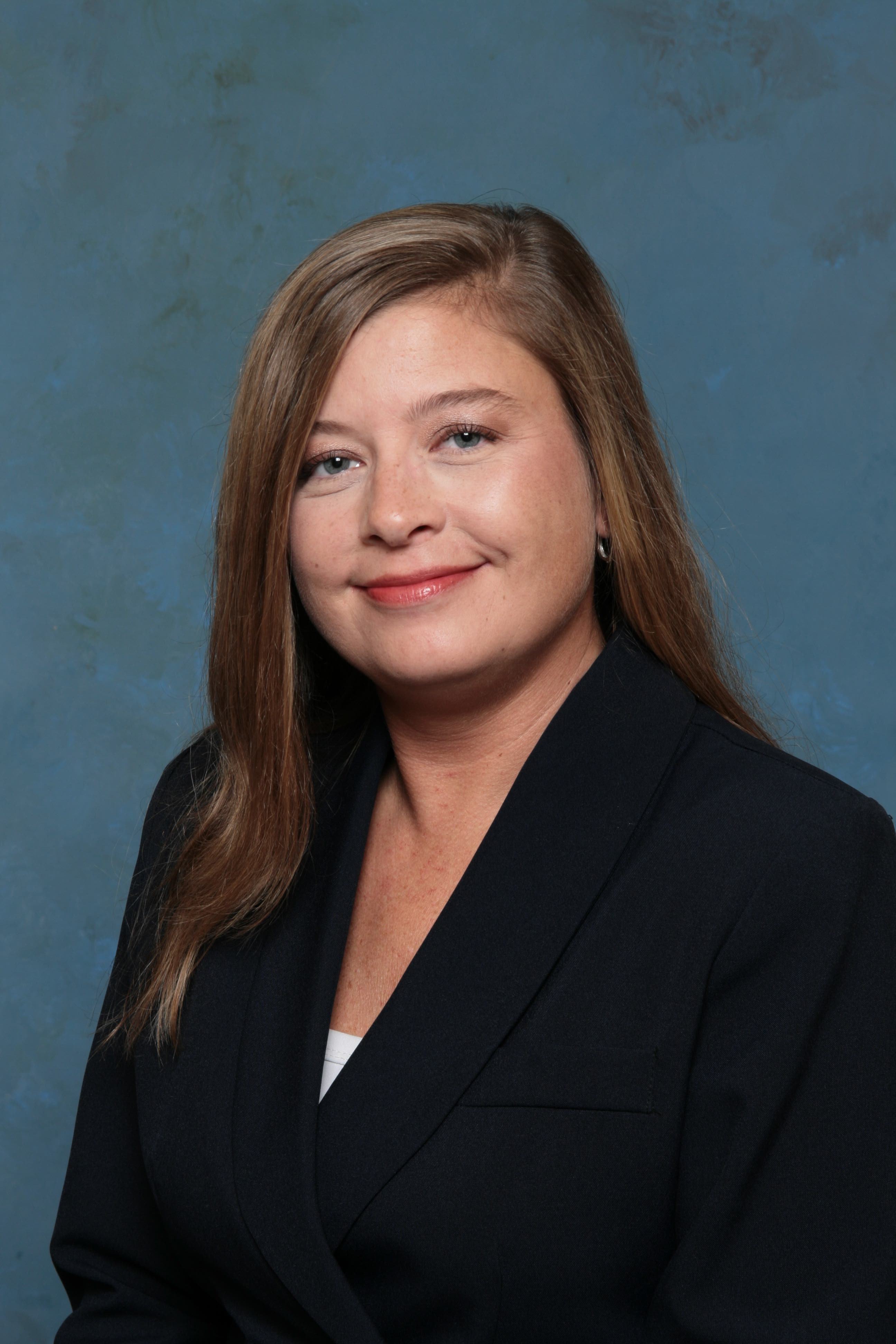
ABOUT CHERI BREEDING:
Since 2005 Cheri Breeding has been working as the Director of Production for Outskirts Press. In that time, she has been an instrumental component of every aspect of the Production Department, performing the roles of an Author Representative, Book Designer, Customer Service Representative, Title Production Supervisor, Production Manager and, Director of Production. She brings all that experience and knowledge, along with an unparalleled customer-service focus, to help self-publishing authors reach high-quality book publication more efficiently, professionally, and affordably. |


 Self Publishing Advisor