Three Types of Copyediting Services Available to Self-Published Authors

Every author needs an editor. No matter how great of a writer you are, it is impossible to review your own writing objectively. Because you know your story and writing style so well, it is too easy to overlook simple mistakes or inconsistencies. Plus, copyediting requires special skills. Copyeditors are experts in the Chicago Manual of Style (and other style manuals). They not only look for grammar and spelling when they review your manuscript, but they also make sure your manuscript meets your industry’s publishing standards. This is essential if you want your book to be taken seriously.

When hiring a copyeditor, you will need to decide what level of editing is best for your manuscript. Often the editor (or editorial staff, if you are hiring through a company) will review your manuscript and tell you which level of editing is best for your book. Before beginning this process, it is a good idea to understand the various levels available to you. Here are the three types of copyediting services available to self-published authors.

Basic Copyediting

Basic copyediting is a good choice for authors whose primary concern is correction of style and mechanics. Basic editing does not include fact checking, sentence restructuring, or suggestions to improve flow, aesthetics, or voicing. Corrections you can expect with basic editing include:

• Typographical errors

• Misspelled words

• Grammatical errors

• Punctuation

• Homophone confusion

• Style consistency

• Standardization of spelling and capitalization

• Consistency of specific or repeated references

This is the most popular level of editorial service and is appropriate for all genres.

Moderate Copyediting

Moderate editing is a good choice for authors who would like to improve the flow and aesthetics of their work as well as improve the basic style and mechanics of their manuscript. Moderate editing will usually include restructuring of awkward sentences, elimination of redundancies, and attention to inconsistencies of tone or voicing. Moderate editing often includes some fact checking, such as confirmation of brand names, proper names of historical figures or locations, etc.

This level of editing can be tailored to your particular needs or concerns. If you are not sure whether your manuscript needs moderate editing, talk to the editor or editorial staff. They can look at your manuscript and make suggestions based on common mistakes they see.

Extensive Editing

Extensive editing includes mechanical and style corrections as well as sentence restructuring, attention to aesthetics, and some fact checking. More than any other type of editing, extensive editing is custom-designed to meet the specific needs of your manuscript and your goals as an author. Extensive editing may include project development, such as tracking and critiquing story arc and character development. If your project is nonfiction, you may want your editor to give input as to the effectiveness of your organization or the strength of your arguments. Your editor may give reader commentary as well as mechanical and style corrections.

Extensive editing is often a good choice for first-time authors who have not had a chance to workshop a manuscript with a writing group. It can also be an excellent choice for authors who are too close to their subject matter to objectively assess the effectiveness of their writing – a challenge experienced by many memoir writers. Extensive editing can also be an acceptable solution if English is not your native language, in which case your manuscript may require a higher level of text polishing.

If you are interested in copyediting services, there are many ways to find great copyeditors. One option is to find out if your self-publishing company offers copyediting services. You can also search for copyeditors online, post a project listing, or ask for references.

I’d love to know, which level of copyediting do you plan to purchase for your self-published book?
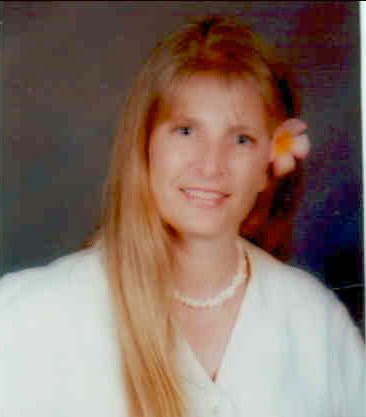
ABOUT JODEE THAYER: With over 20 years of experience in   sales and management, Jodee Thayer works as the Manager of Author Services   for Outskirts Press. The Author Services Department   is composed of knowledgeable customer service reps and publishing consultants;   together, they all focus on educating authors on the self-publishing process in order to help them publish the   book of their dreams. Whether you are a professional looking to take your   career to the next level with platform-driven non-fiction or a novelist   seeking fame, fortune, and/or personal fulfillment, Jodee Thayer can put you   on the right path.

The Benefits of Copyediting for Self Published Authors

Every author, whether self-publishing or traditional publishing, needs an editor. Even authors who work as editors need another editor to review their manuscripts because they know their own writing too well to view it objectively. When you’re too familiar with your own work,  your eye naturally skips over typos and errors. Hiring a copyeditor ensures that all those easy to  make errors are caught.

Additionally, storytelling and expression are different skills from language mechanics. You may be a brilliant storyteller but lack expertise in formatting, punctuation, and book style: That’s where editing comes in. Your editor cleans up the details, while you focus on the creative aspects of your work.

Also, copyeditors look for more than just grammar and spelling errors. They are experts in different styles, such as Chicago style and AP style, and they look for consistency and adherence to style guidelines in your manuscript. If you want your book to be viewed as professional, it must meet the appropriate style guidelines.

When hiring a copyeditor, it is important to note that there are different levels and styles of editing. Basic copyediting is a good choice for many authors, but there are more in-depth editing services available as well. Stay tuned for my upcoming posts explaining the different levels of copyediting.

I’d love to know, why do you plan to hire a copyeditor?

ABOUT JODEE THAYER: With over 20 years of experience in   sales and management, Jodee Thayer works as the Manager of Author Services   for Outskirts Press. The Author Services Department   is composed of knowledgeable customer service reps and publishing consultants;   together, they all focus on educating authors on the self-publishing process in order to help them publish the   book of their dreams. Whether you are a professional looking to take your   career to the next level with platform-driven non-fiction or a novelist   seeking fame, fortune, and/or personal fulfillment, Jodee Thayer can put you   on the right path.

The Difference Between AP and Chicago Style

In order for your book to appear professional, you must maintain a consistent style throughout your manuscript. When I say “style,” I am referring to elements such as spelling, grammar, and punctuation. There are several different styles used by various types of publications, but the two most common are AP and Chicago. Which style you follow depends on what you are writing. For instance, AP is often used by newspapers while Chicago is preferred by book publishers. Here is a breakdown of just a few of the differences between AP and Chicago style.

Since AP style is often used by newspapers, there is an emphasis on saving space and time. For instance, AP style requires you to spell out numbers one through nine and to use numerals thereafter. Chicago, on the other hand, has you spell out numbers one through ninety-nine. Another major difference is the use of the serial comma: AP style does not use the serial comma while Chicago style does. Of course, many publications also create in-house style guides that make exceptions to the preferred style manual. For instance, if a publication uses AP style but wishes to use the serial comma, it can add this exception to its in-house style guide.

Since there are so many differences between AP and Chicago style, it is best to focus on learning the style you plan to use. There is no need to learn all of the other styles if you aren’t using them. Also, it is beneficial to hire a copyeditor to check for style consistencies. Copyeditors are highly skilled in a specific or numerous styles, and they have been trained to look for various errors that are common in manuscripts. Even the best writers can benefit from the eye of a good copyeditor.

I’d love to know, which style do you prefer: Chicago or AP?

ABOUT WENDY STETINA: Wendy Stetina is a sales and marketing professional with over 30 years experience in the printing and publishing industry. Wendy works as the Director of Author Services for Outskirts Press. The Author Services Department is composed of knowledgeable customer service reps and publishing consultants; and together, they all focus on educating authors on the self-publishing process in order to help them publish the book of their dreams. Whether you are a professional looking to take your career to the next level with platform-driven non-fiction, or a novelist seeking fame, fortune, and/or personal fulfillment, Wendy Stetina can put you on the right path.

When to Edit Your Self-Published Book

One of the questions I am frequently asked is “when should I have someone edit my self-published book?” There are two things you need to keep in mind when deciding when to hire an editor: how is your book formatted and what type of editing do you want. Here is why.

Formatting

A manuscript should always be edited before it is designed into book format. If you plan to have the editor work on the hard-copy version of your manuscript, it has to be in standard manuscript format; that is twelve-point Courier or Times New Roman type, double-spaced, with margins of at least an inch on all sides. This format is standard in the industry and gives the editor room to work. If the book is already designed, it won’t be in standard manuscript format; it will be in book format.

If you plan to have your editor work on your electronic file, the format won’t matter, but it must be in a word-processing document, not a design program or a PDF. Most editors are not designers and won’t have the design program used to design your book. Even if the editor has the capability of opening the design program or manipulating a PDF (which some do), editing a book after it is designed will still interfere with the design. After the file is edited, you’ll have to return it to your designer to get it redesigned, and there will certainly be an additional charge for that service.

Type of Editing

There are basically two types of editing: copyediting and developmental editing. Copyediting should be done once your manuscript is complete. The editor will polish your manuscript by looking for grammar, consistency, clarity, and style issues. If you plan to add or delete large portions of content, you are not ready for a copyedit because it will result in extra fees due to the editor  re-editing portions of the manuscript or cost more than it needs as most editors charge based on the length of the manuscript.

Developmental editing should take place in the beginning stages of writing. This type of edit offers feedback on elements such plot, structure, character, etc. While many editors will point out obvious or frequent grammar and style issues, those types of mistakes are not the  main focus of this edit. If you decide to hire a developmental editor, copyediting is still recommended before publication.

Hopefully this answers some of your questions about the editing process. If you have other questions, feel free to leave them in the comment section, and I will try to address them in future posts.

ABOUT WENDY STETINA: Wendy Stetina is a sales and marketing professional with over 30 years experience in the printing and publishing industry. Wendy works as the Director of Author Services for Outskirts Press. The Author Services Department is composed of knowledgeable customer service reps and publishing consultants; and together, they all focus on educating authors on the self-publishing process in order to help them publish the book of their dreams. Whether you are a professional looking to take your career to the next level with platform-driven non-fiction, or a novelist seeking fame, fortune, and/or personal fulfillment, Wendy Stetina can put you on the right path.


Copyediting Is A Must For Self-Published Authors

Copyediting is different from the revision process. While you may read through your manuscript before publishing, that does not count has copyediting for two reasons. 1) Most writers can’t read their writing objectively. It is easy to overlook areas of weakness because you know what you are trying to say, and you are more likely to miss obvious errors because you are too comfortable with the material. 2) You aren’t the expert. Copyediting requires training on grammar and style. Copy editors look for more than just misspellings and typos. There are specific ways that items such as numbers and titles should be formatted. They also can pick up on inconsistencies you may not notice.

Self-publishing sometimes gets a bad rep because authors don’t spend the money to have their manuscript copyedited. If you want your book to be taken seriously, it needs to look and sound professional. This is especially important for non-fiction books by experts. If you want to be recognized as an expert, you must have your book copyedited.

ABOUT WENDY STETINA: Wendy Stetina is a sales and marketing professional with over 30 years experience in the printing and publishing industry. Wendy works as the Director of Author Services for Outskirts Press. The Author Services Department is composed of knowledgeable customer service reps and publishing consultants; and together, they all focus on educating authors on the self-publishing process in order to help them publish the book of their dreams. Whether you are a professional looking to take your career to the next level with platform-driven non-fiction, or a novelist seeking fame, fortune, and/or personal fulfillment, Wendy Stetina can put you on the right path.