
Today’s post is by publishing industry expert, Wendy Stetina.
You’re an AMAZING speaker. You know how to work the room when you’re in front of an audience. Once your presentation is over, though, you make a HUGE mistake. This one is really big, but no one told you what you were doing wrong: you hand out a business card. That sounds harmless enough, right? Not if you’re a coach or speaker.
A business card can’t portray the true value of a speaker’s knowledge in their field. Last week, I presented at Kathleen Gage’s New Horizon’s Telesummit on the topic “Your Book – Your Business Card“. If you haven’t published a book, you are doing your business (yourself) a great disservice. Think about how easy it will be to attract/retain clients and book speaking gigs if you had a published book —
- Your audience can get to know more about you and your business
- You can share your expertise with your target customer and others in your field
- Coaching is intangible. A book allows the client to touch the coach via the book.
- A well written content rich book will validate the author as an expert. Experts get to charge more.
Okay, I’m sold. I know I need to publish a book to build my business. How can I get started? If you decide to self-publish, it’s not as difficult as you think. There are some companies that offer self-publishing packages for coaches and speakers, including Outskirts Press. Packages like these are designed for busy professionals that are always on the go. If you think self-publishing is right for you be sure to choose a self-publisher that can accommodate your marketing and distribution goals. Truthfully, creating the actual book is the easiest part. Make sure that you are maintaining the rights to your material and that you have control over your retail piece and your trade discount.
Some authors don’t want to pay to publish their books. In cases like these, you may consider going the “traditional” publishing route. Remember that you will be selling your rights to the book, but you will still be responsible for promoting your book after the process is complete. Also, publishing your book this way could take months or even years (if it’s accepted).
It is important that you weigh the pros and cons of each option and decide which one works for you.
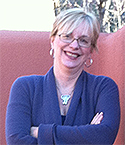 |
ABOUT WENDY STETINA: Wendy Stetina is a sales and marketing professional with over 30 years experience in the printing and publishing industry. Wendy works as the Director of Author Services for Outskirts Press. The Author Services Department is composed of knowledgeable customer service reps and publishing consultants; and together, they all focus on educating authors on the self-publishing process in order to help them publish the book of their dreams. Whether you are a professional looking to take your career to the next level with platform-driven non-fiction, or a novelist seeking fame, fortune, and/or personal fulfillment, Wendy Stentina can put you on the right path. |
DISCUSSION:As a coach or speaker, how have you used your book to build your business?


