5 Things You Need to Know About the Interior Design of Your Book

As you prepare for publication, you probably have a vision of what you want your book to look like as a finished product. This is especially important for certain genres such as poetry, children’s books and cookbooks. One of the most common complaints among new authors is that they are dissatisfied with the interior design of their book. Here are five things you need to know so you will love your book once it is published.

1) Know Your Vision – Before you select a publisher, spend some time thinking about how you envision your book. What aspects are important to you? Don’t assume your publisher will read your mind. You need to have a clear vision before you tell a publisher what you want.

2) Review Other Books – Go to a bookstore or library and browse other books in your genre. Make note of the different types of layouts and designs. Compare this information to your vision. You may discover that your original vision needs some tweaking. Let yourself be inspired and innovative.

3) Look at Your Options – Before you choose a publisher, look at the interior design options available. Are they able to accommodate your requests? Do they offer specific templates you must choose from?

4) Ask Questions – Talk to the publisher about the interior design process. Tell them exactly what you want your book to look. Make sure you ask about any additional costs your design might require, and find out if you will get to review the gallery proofs prior to printing. Also, ask if the gallery proofs are an exact representation of how your book will look printed.

5) Make an Informed Decision – After you have considered your goals and reviewed your options, you need to make a decision. This includes choosing a publisher and a design package. Always be clear about your needs and goals. Don’t wait until your book is printed to decide what you want your book to look like.

Happy publishing!
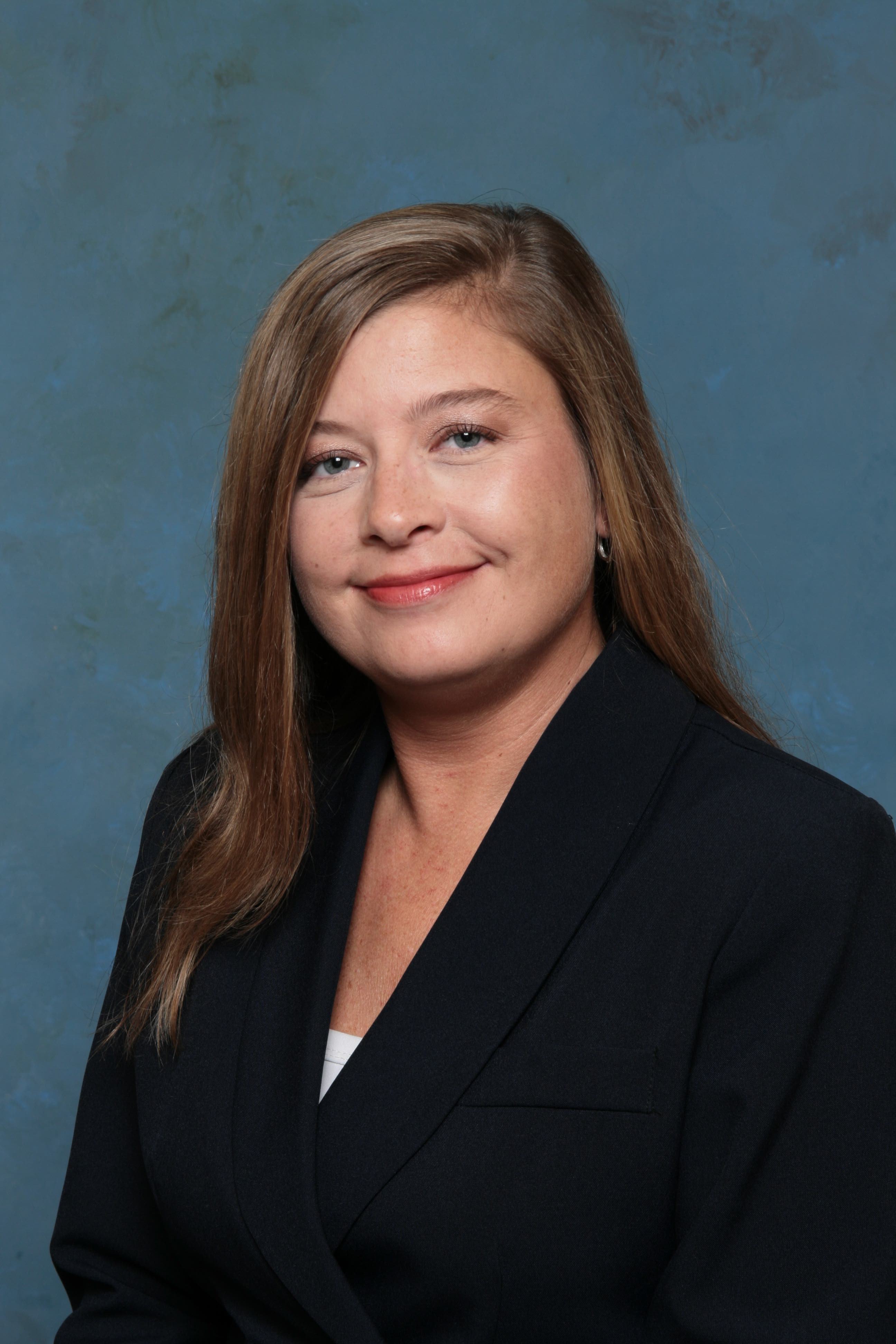
Cheri Breeding ABOUT CHERI BREEDING:
Since 2005 Cheri Breeding has been working as the Director of Production for Outskirts Press. In that time, she has been an instrumental component of every aspect of the Production Department, performing the roles of an Author Representative, Book Designer, Customer Service Representative, Title Production Supervisor, Production Manager and, Director of Production. She brings all that experience and knowledge, along with an unparalleled customer-service focus, to help self-publishing authors reach high-quality book publication more efficiently, professionally, and affordably.

3 Tips for Authors Self Publishing in November

It is hard to believe, but the end of 2011 is almost here. As the weather turns chilly and stores become Christmas factories, you might be wondering if now is the right time to self publish your book. Here are a few pointers to keep in mind if you are working on self publishing your book this November.

1) Change your copyright year to 2012 so the book appears new even if it publishes before 12/31/11. Readers like to feel like they are reading the newest version of books.

2) If you’re interested in publishing to market for the holidays, it’s time to get moving and finish up before the end of November. As the holiday approaches, more people are buying and shipping, so it may take a bit longer to print and ship. While you don’t want to rush the creation of your interior and cover proofs, the holidays are an ideal time to market. Also, keep in mind that the general reader doesn’t see the book as the author does; for example, an author keeps checking the spelling and grammar, rewriting sentences, and tweaking the cover image. If you’ve carefully reviewed the chapters to make sure they are error free and have carefully reviewed the design at least 2-3 times, then let it go and move on to the next steps.

3) If you’re signing up just to publish by year-end or for Christmas sales, you need a reality check. There is the possibility that your book won’t be finished before the year’s end or that your marketing efforts won’t generate a large  number of holiday sales because you didn’t spend enough time marketing your book. (Think about how early retail stores begin marketing for Christmas. You can’t throw together a book and expect to sell dozens of copies a few weeks before Christmas.) Instead of obsessing over holiday sales and the end of the year, focus on starting the new year off with a bang. Publishing a book is a great way to start off a new year, and you will have more time to plan for success if you consider all of 2012 instead of the few weeks left in 2011.

Cheri Breeding ABOUT CHERI BREEDING:
Since 2005 Cheri Breeding has been working as the Director of Production for Outskirts Press. In that time, she has been an instrumental component of every aspect of the Production Department, performing the roles of an Author Representative, Book Designer, Customer Service Representative, Title Production Supervisor, Production Manager and, Director of Production. She brings all that experience and knowledge, along with an unparalleled customer-service focus, to help self-publishing authors reach high-quality book publication more efficiently, professionally, and affordably.

LOC Acronyms Explained

If you are an aspiring author, you’ve probably heard the terms LOC, LCCN, CIP and PCN. But what do this acronyms mean, and which ones are important? Read on to find out.

LOC – Library of Congress. It is the largest library in the world, and its mission is “to support the Congress in fulfilling its constitutional duties and to further the progress of knowledge and creativity for the benefit of the American people.” To learn more about the LOC, visit loc.gov.

LCCN- Library of Congress Control Number. This number is similar to an ISBN. It can be helpful when marketing your book to libraries, but it not necessary for publication. To learn more about this number, read Who Needs a LCCN?.

CIP – Cataloguing in Publication. This program creates a bibliographic record that is printed on the verso of the title page. This program is not available to self-published authors.

PCN – Preassigned Control Number. This is the self publishing alternative to a CIP. This program creates a LCCN prior to publication. Self publishing  companies provide authors with this service.

I’d love to hear your questions or concerns about LOC acronyms. Feel free to leave comments, and I will try to address you questions directly or in future posts.

Cheri Breeding ABOUT CHERI BREEDING:
Since 2005 Cheri Breeding has been working as the Director of Production for Outskirts Press. In that time, she has been an instrumental component of every aspect of the Production Department, performing the roles of an Author Representative, Book Designer, Customer Service Representative, Title Production Supervisor, Production Manager and, Director of Production. She brings all that experience and knowledge, along with an unparalleled customer-service focus, to help self-publishing authors reach high-quality book publication more efficiently, professionally, and affordably.

Self Publishing Expectations

Self publishing a book is like delivering a baby. You must spend time nurturing and preparing for the birth to ensure a healthy child. If you rush the  process, you could potentially harm the child. The same is true for publishing. Many authors have a deadline in mind when they decide to self publish their books. While deadlines can provide positive motivation, they can also be detrimental to the success of your book. Great books take time to complete, just like healthy babies take nine months to be born. Here are a few ideas to make sure you don’t rush the self-publishing process.

1) Don’t schedule marketing events until you have your completed book in hand. There is nothing worse than canceling marketing events because your book isn’t complete.

2) Do your homework. Research the self-publishing company you plan to use. Ask questions. Read the website. Learn everything you can about the publication process and the cost. Also, express your expectations. Find out what types of author support are available, and find out what they expect from their authors.

3) Take the time to submit a manuscript that is error free. (A professional edit is usually a good idea.)

4) Review proofs carefully. Make sure corrections are done properly.

5) Enjoy the process. Publishing a book is a major accomplishment. Instead of rushing it, take the time to savor each moment.


Cheri Breeding ABOUT CHERI BREEDING:
Since 2005 Cheri Breeding has been working as the Director of Production for Outskirts Press. In that time, she has been an instrumental component of every aspect of the Production Department, performing the roles of an Author Representative, Book Designer, Customer Service Representative, Title Production Supervisor, Production Manager and, Director of Production. She brings all that experience and knowledge, along with an unparalleled customer-service focus, to help self-publishing authors reach high-quality book publication more efficiently, professionally, and affordably.

The One Thing Every New Author Should Do

Publishing a book can a be scary process. There are so many decisions that impact the success of your book: cover illustrations, price, distribution channels, marketing efforts, etc. The good news is that you don’t have to make these decisions alone, and you can get helpful advice for free. (Yes, free.) All you have to do is talk to other writers. Most authors will eagerly share their advice and experiences because they understand how confusing the publishing process can be and they know how exciting it is to see your book in print. Here are a few questions you should ask as you begin the publishing process.

What were your goals?

What did you find helpful?

What do you wish you had done differently? The same?

How did you decide to [insert your topic of choice]?

Don’t be afraid to ask questions. Learn everything you can about their books and publishing experience. It will help you as you make decisions throughout the publishing process.

To find a published writer, look for people in your writing groups or writing classes. You can also reach out to local writers, and ask to talk with them. Most authors will be flattered that you value their opinion and will enthusiastically answer your questions. Good luck!

Cheri Breeding ABOUT CHERI BREEDING:
Since 2005 Cheri Breeding has been working as the Director of Production for Outskirts Press. In that time, she has been an instrumental component of every aspect of the Production Department, performing the roles of an Author Representative, Book Designer, Customer Service Representative, Title Production Supervisor, Production Manager and, Director of Production. She brings all that experience and knowledge, along with an unparalleled customer-service focus, to help self-publishing authors reach high-quality book publication more efficiently, professionally, and affordably.