Should You Submit Print Ready Files?

As a self-published author, you will be asked to submit ether print ready or native files during the publication process. Which method you choose depends on your goals and skills. Here is a brief overview of the two options.

Print Ready Files

  • If you hire a graphic designer for your cover, the format needs to adhere to your self-publishing company’s print standards.
  • While self-publishing companies typically follow industry standards, it is important to look up or request your company’s specific standards.
  • Print ready interiors are not common and are usually only submitted when the manuscript has a complex interior that consists of many graphs and charts.

Native Files

  • Sometimes submitting native files can save you money. Often authors submit print ready file only to discover that the files don’t adhere to the publishing company’s standards.
  • Most authors must hire a designer to create the print ready files since the authors don’t have the proper programs and skills needed to create them.
  • On-demand printing is different from home printing. Therefore, the requirements are specific, and files must be converted to meet those requirements.

To learn more about print ready and native files, review these two older posts.

Submitting Native Files Can Save You Money

How to Submit Print Ready Files
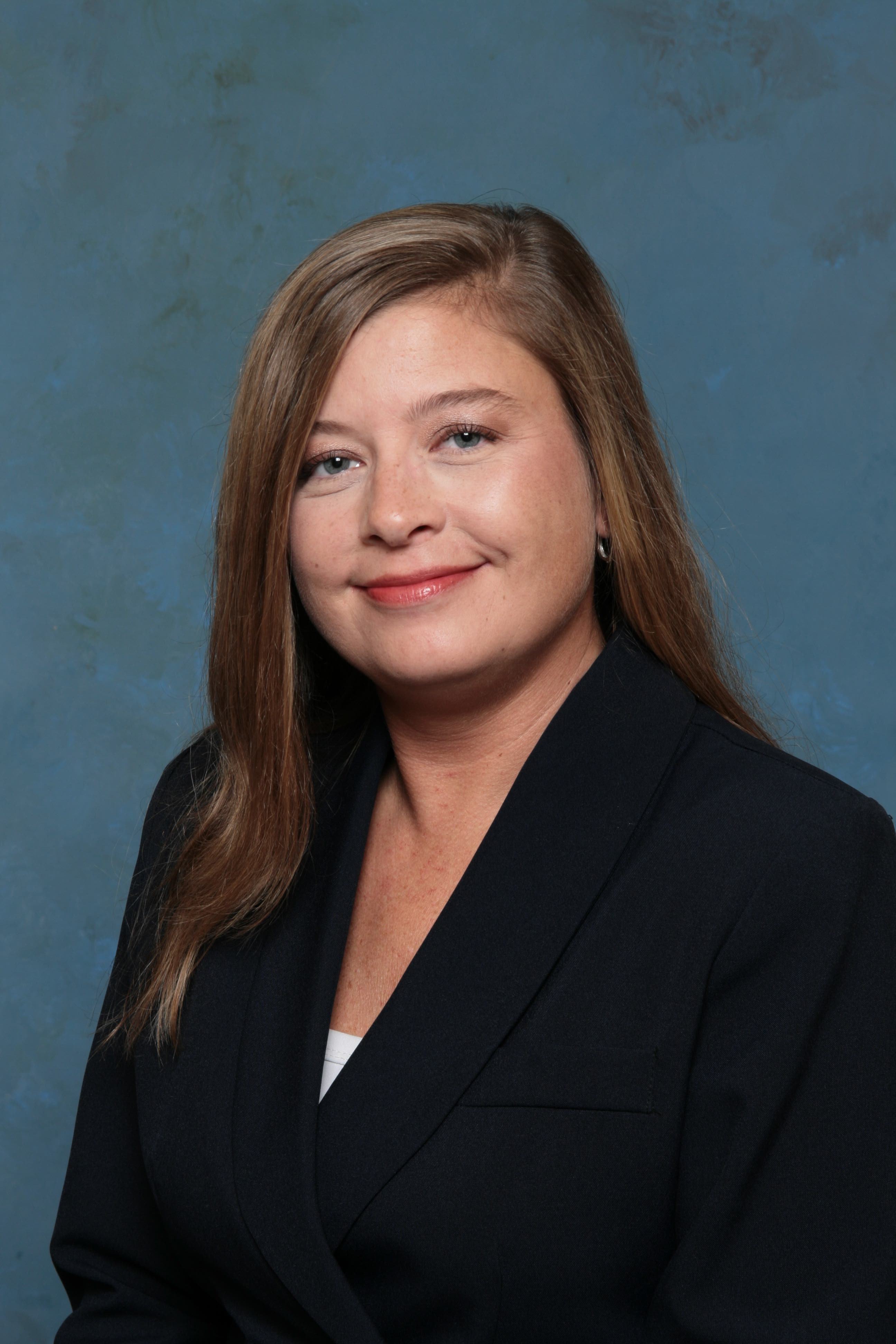
Cheri Breeding ABOUT CHERI BREEDING: Since 2005 Cheri Breeding has been working as the Director of Production for Outskirts Press. In that time, she has been an instrumental component of every aspect of the Production Department, performing the roles of an Author Representative, Book Designer, Customer Service Representative, Title Production Supervisor, Production Manager and, Director of Production. She brings all that experience and knowledge, along with an unparalleled customer-service focus, to help self-publishing authors reach high-quality book publication more efficiently, professionally, and affordably.

What Are Your Self-Publishing Questions?

Every week I write a post that hopefully answers some of your self-publishing questions. Recently, I’ve shared information about choosing a genre for your book, seeking advice from other writers, writing an annotation, and hiring a ghostwriter. This week, I’d like to know what questions you have so I can address them in upcoming blogs. Tell me, what confuses you about self-publishing? What decisions related to self-publishing are you having difficulty with? What services, such as ghost writing and illustrating, bewilder you? What do you need to know to make the self-publishing process easier and more enjoyable? Please comment on this post to share. I look forward to reading and answering your questions.

Cheri Breeding ABOUT CHERI BREEDING: Since 2005 Cheri Breeding has been working as the Director of Production for Outskirts Press. In that time, she has been an instrumental component of every aspect of the Production Department, performing the roles of an Author Representative, Book Designer, Customer Service Representative, Title Production Supervisor, Production Manager and, Director of Production. She brings all that experience and knowledge, along with an unparalleled customer-service focus, to help self-publishing authors reach high-quality book publication more efficiently, professionally, and affordably.

The Importance of Genre

The genre of your book is one of the most important decisions you will make when self-publishing. It will impact who buys and reads your book as well as how reads it.

The most important to thing to remember when choosing a genre is to not pick a genre too soon. Too often, authors set out thinking “I want to write children’s books” or “I want to write adult mystery novels,” but writing often takes on a life of its own and your book may not best fit in the genre you originally intended.

Once the book is finished, it is important to consider the audience you hope to reach. Are children your target audience? Are professionals in a certain field your audience, or do you want your book to appeal to a wide, general audience? A narrow genre can limit the readers who find your book. This is one of the few cases where general can be better.

Finally, think about how readers will find your book. Will they primarily search online, or will they visit a  bookstore? If your readers will be searching online, consider keywords when choosing a genre. This will ensure that your book shows up in the search results.

If you are still unsure about the genre of your book, talk to other writers and people who work in the publishing and book distribution industry. Visit your local bookstores to look at the titles in your genre and talk to the sales people. Seeing and hearing what other writers are doing and what readers are buying can help make this difficult decision easier.

Cheri Breeding ABOUT CHERI BREEDING: Since 2005 Cheri Breeding has been working as the Director of Production for Outskirts Press. In that time, she has been an instrumental component of every aspect of the Production Department, performing the roles of an Author Representative, Book Designer, Customer Service Representative, Title Production Supervisor, Production Manager and, Director of Production. She brings all that experience and knowledge, along with an unparalleled customer-service focus, to help self-publishing authors reach high-quality book publication more efficiently, professionally, and affordably.

Other Writers Are Your Best Friend

In some industries, professionals are highly competitive, and they treat their fellow professionals as competitors rather than peers. Not in the publishing industry. Sure, it is competitive, but most writers respect other people’s work and want to see other writers succeed. When you considering publishing, befriending a fellow writer is the best thing you can do.

There are so many decisions that impact the success of your book: the cover, the price, the marketing efforts, and so on. Before you make those decisions, you should find out about other writers’ experiences. Most likely, they would be more than happy to share.

Look for writers in your writing group or classes, or reach out to a published writer in your area. You can also connect with other writers through online forums and social media. Most likely, the writers will feel honored to share their stories. Before talking with your new friends, come up with a list of questions. Here are a few to get you started.

Looking back, what would you do differently?

What was the best choice you made?

What were your goals?

What would you recommend to a writer considering publishing for the first time?

After your conversation, be sure to thank the writer for helping and consider staying in touch. It is great to have fellow writers to share ideas and stories with. It cannot only help you with publishing, but it could improve your writing.

Cheri Breeding ABOUT CHERI BREEDING: Since 2005 Cheri Breeding has been working as the Director of Production for Outskirts Press. In that time, she has been an instrumental component of every aspect of the Production Department, performing the roles of an Author Representative, Book Designer, Customer Service Representative, Title Production Supervisor, Production Manager and, Director of Production. She brings all that experience and knowledge, along with an unparalleled customer-service focus, to help self-publishing authors reach high-quality book publication more efficiently, professionally, and affordably.

Annotation Explained

If you read the title and thought, “What in the world is annotation,” don’t worry; I’m about to explain.

Annotation is often referred to as the wholesaler’s summary because it is the description of your book that is sent to distributors and wholesalers. This summary influences whether or not a distributor buys your book. It also determines if readers purchase your book, particularly readers who shop online. For instance, if a reader is looking at your book on Amazon.com, he or she will see the annotation under product description. By reading that description, the person will decide if the book sounds interesting and is worth buying.

Many times, the annotation is the same as the copy on the back cover of your book. However, you may want to consider writing different copy for the two texts. This is especially true for authors who plan to sell primarily online. When writing an annotation, remember these three tips.

1) Keywords, Keywords, Keywords – Online shoppers often find books through search engines such as google or the search option on a store website. The words in your annotation determine when your book will appear in the search results. You want to the consider the types of words being used as well as the number of times specific words appear. However, you don’t want the copy to read as if it was written for a search engine. You still want the text to flow naturally.

2)Proofread, Several TimesSelf-publishing companies will use your annotation exactly as you send it. They do not proofread it for you, unless you pay for copyediting services. Therefore, it is extremely important that you double-check your work. Make sure there are no spelling and grammar errors. You want this text to look and sound professional.

3) Make Sure It is Complete – The annotation must summarize your entire book and convince the reader to purchase it. It is recommended that your annotation be between 3,000 and 3,400 characters, so you have plenty space to fully explain your book and persuade your readers. For non-fiction books, focus on the problem that your book solves. For fiction books, focus on the entertainment value of your book, but be sure not to give away the entire book. You want to entice the reader to buy the book to find out more.

Think about the product descriptions you read when shopping online. What makes you want to purchase a product? What makes you not want to purchase product? The same factors apply to book annotations, so take the time to write to a clear, persuasive, and professional annotation.

Cheri Breeding ABOUT CHERI BREEDING: Since 2005 Cheri Breeding has been working as the Director of Production for Outskirts Press. In that time, she has been an instrumental component of every aspect of the Production Department, performing the roles of an Author Representative, Book Designer, Customer Service Representative, Title Production Supervisor, Production Manager and, Director of Production. She brings all that experience and knowledge, along with an unparalleled customer-service focus, to help self-publishing authors reach high-quality book publication more efficiently, professionally, and affordably.