Self Publishing Expectations

Self publishing a book is like delivering a baby. You must spend time nurturing and preparing for the birth to ensure a healthy child. If you rush the  process, you could potentially harm the child. The same is true for publishing. Many authors have a deadline in mind when they decide to self publish their books. While deadlines can provide positive motivation, they can also be detrimental to the success of your book. Great books take time to complete, just like healthy babies take nine months to be born. Here are a few ideas to make sure you don’t rush the self-publishing process.

1) Don’t schedule marketing events until you have your completed book in hand. There is nothing worse than canceling marketing events because your book isn’t complete.

2) Do your homework. Research the self-publishing company you plan to use. Ask questions. Read the website. Learn everything you can about the publication process and the cost. Also, express your expectations. Find out what types of author support are available, and find out what they expect from their authors.

3) Take the time to submit a manuscript that is error free. (A professional edit is usually a good idea.)

4) Review proofs carefully. Make sure corrections are done properly.

5) Enjoy the process. Publishing a book is a major accomplishment. Instead of rushing it, take the time to savor each moment.


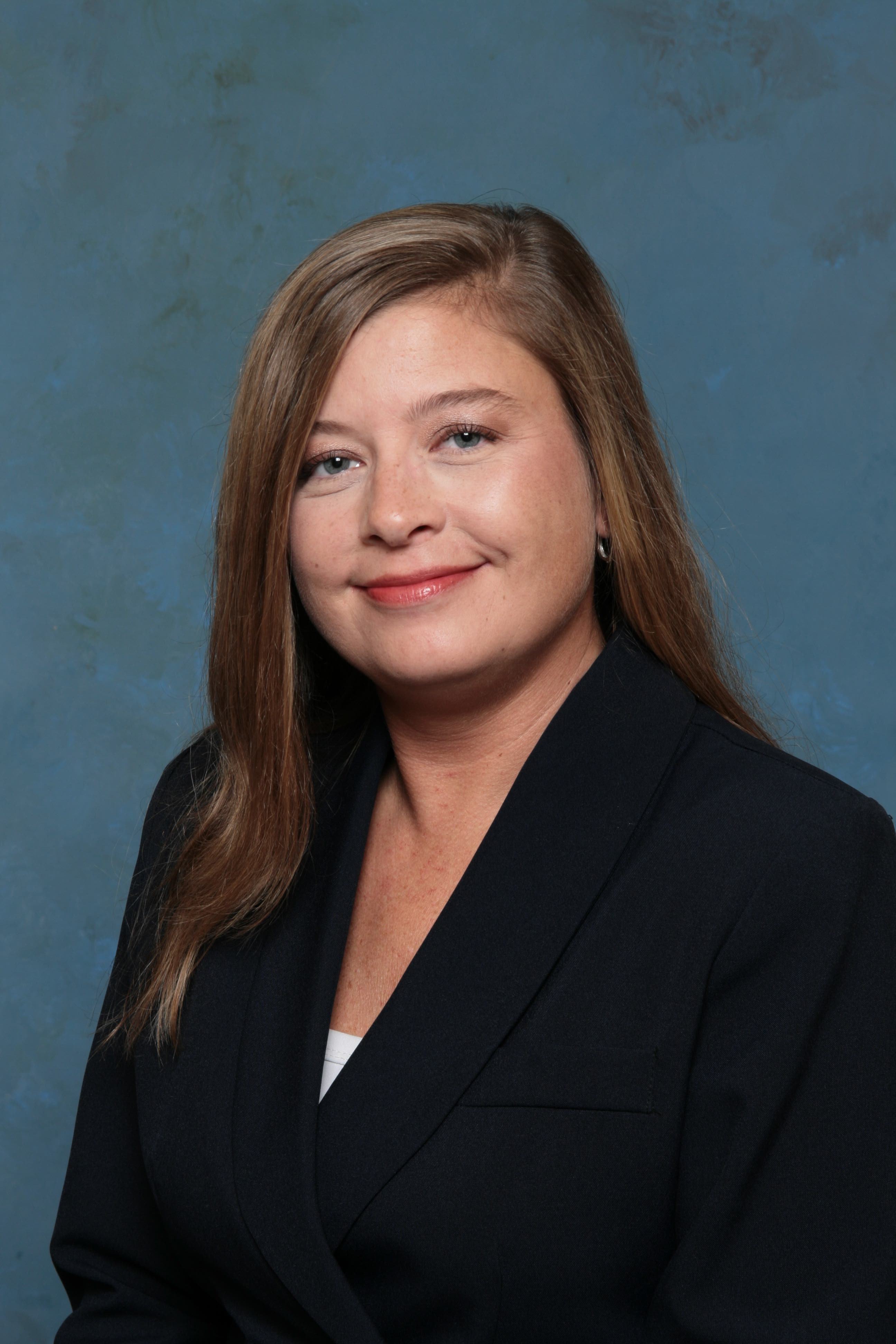
Cheri Breeding ABOUT CHERI BREEDING:
Since 2005 Cheri Breeding has been working as the Director of Production for Outskirts Press. In that time, she has been an instrumental component of every aspect of the Production Department, performing the roles of an Author Representative, Book Designer, Customer Service Representative, Title Production Supervisor, Production Manager and, Director of Production. She brings all that experience and knowledge, along with an unparalleled customer-service focus, to help self-publishing authors reach high-quality book publication more efficiently, professionally, and affordably.

The One Thing Every New Author Should Do

Publishing a book can a be scary process. There are so many decisions that impact the success of your book: cover illustrations, price, distribution channels, marketing efforts, etc. The good news is that you don’t have to make these decisions alone, and you can get helpful advice for free. (Yes, free.) All you have to do is talk to other writers. Most authors will eagerly share their advice and experiences because they understand how confusing the publishing process can be and they know how exciting it is to see your book in print. Here are a few questions you should ask as you begin the publishing process.

What were your goals?

What did you find helpful?

What do you wish you had done differently? The same?

How did you decide to [insert your topic of choice]?

Don’t be afraid to ask questions. Learn everything you can about their books and publishing experience. It will help you as you make decisions throughout the publishing process.

To find a published writer, look for people in your writing groups or writing classes. You can also reach out to local writers, and ask to talk with them. Most authors will be flattered that you value their opinion and will enthusiastically answer your questions. Good luck!

Cheri Breeding ABOUT CHERI BREEDING:
Since 2005 Cheri Breeding has been working as the Director of Production for Outskirts Press. In that time, she has been an instrumental component of every aspect of the Production Department, performing the roles of an Author Representative, Book Designer, Customer Service Representative, Title Production Supervisor, Production Manager and, Director of Production. She brings all that experience and knowledge, along with an unparalleled customer-service focus, to help self-publishing authors reach high-quality book publication more efficiently, professionally, and affordably.

How to Choose A Genre for Your Book

Once you decide to publish your book, you must choose a genre. This sounds like an easy decision, but it can be one of the most confusing for new authors. Below are six tips to help you choose a genre that will make your book successful.

Wait Until the Manuscript is Finished

Many authors want to decide the genre of their book when they begin working on their manuscript. However, our books  often take on lives of their own and turn out different from what we expected. For instance, you may  start out writing an adult novel but later realize that it would be a great read for young adults. Don’t try to label your book to soon. Trust the creative process.

For Once, General is Better

You may think that a specific genre will help you market your book, but this is one case where general is better. If you choose a genre that is too specific, you may discourage certain buyers from purchasing your book. Don’t limit your readers by being too specific.

Think of Key Words

In today’s world of technology, readers often find books by searching key words. Consider who you want to find your book. What would they type into a search engine? However, don’t let this confuse you will being overly specific.  You want to pick a genre that is effective but not limiting.

You Can Choose More Than One

Many publishers let you choose up to three genres. The first one should be general: fiction or non-fiction. The second and third can be more specific. For instance, you may label your book as Fiction – Mystery or Fiction – Young Adult.

Search Online

Visit the websites of online retailers and search the genre you are considering for your book. Would you want your book placed next to these titles? What does your book have in common with these titles? How is it different from these titles?

Talk to Someone at Your Local Bookstore and Other Authors

The people who work at your local bookstore are up-to-date on publishing trends and can offer great advice when you are considering a genre for your book. Also, ask other authors about their experiences. It is always beneficial to seek tips from published authors. They can provide insight that no class or book can offer.

Cheri Breeding ABOUT CHERI BREEDING:
Since 2005 Cheri Breeding has been working as the Director of Production for Outskirts Press. In that time, she has been an instrumental component of every aspect of the Production Department, performing the roles of an Author Representative, Book Designer, Customer Service Representative, Title Production Supervisor, Production Manager and, Director of Production. She brings all that experience and knowledge, along with an unparalleled customer-service focus, to help self-publishing authors reach high-quality book publication more efficiently, professionally, and affordably.

FAQ About Copyrights

One of the most confusing topics for new authors is copyrights. I am constantly asked questions by new authors who want to avoid copyright infringements. Here are the questions I am most commonly asked.

Is my manuscript copyrighted when self publishing?

Yes, the copyright for your material was secured as soon as you created it, or when it became fixed in a manuscript for the first time. No publication, registration or any other official act is required to secure copyright.

If copyright is automatic, why should I register for a copyright?

Filing with the U.S. Copyright Office creates a public record of the basic information of your book, which gives you the ability to sue for infringement and statutory damages. Doing this creates a legal presumption that your copyright is valid and allows you to recoup up to thousands of dollars, and possibly attorney fees, without having to prove actual monetary harm.

 How do you know if something in your book is copyright protected?

 In most cases, any picture, material, text, information, quote, map, song, image or illustration that you personally did not create is copyright protected by the person(s) who created and/or published the material.  Any text or pictures found in a book, magazine or newspaper is copyright protected by the publisher, artist photographer or some other entity.  And yes, most information found on the internet is copyright protected.  For example, if you pull material from Wikipedia, it’s copyrighted by somebody.  Wikipedia is a non-profit site and therefore, can provide information without permission, but as an author using this information in your book, the original source must be contacted to obtain proper authorization to publish it for profit.

What is Fair Use?

Under “Fair Use,” some copyright protected material can be used without permission; however, there are no clear-cut rules, only guidelines and factors to be considered. Fair use is not a right, only a defense. If you are unsure, please consult a legal advisor or copyright researcher.

                The following four factors are used to determine fair use: 1) The purpose and character of the use, including potential gains for commercial 2) The nature of the original copyrighted work 3) The proportion or percentage of the copyrighted material in relation to the work as a whole 4) The potential effect on the value of the copyrighted material.

Will citing the source of the material free you from copyright infringement?

 No!  Citing the source will not avoid possible court litigation.  Permission must be obtained. 

How can I avoid being accused of libel?

Stating an opinion is not libelous, though it’s best to be careful not to make an accusatory statement about anyone when using real names. Do not make the following statements, as they are clear grounds for a libel case: Falsely accusing someone of a crime, or having been charged, indicted or convicted of a crime; falsely identifying someone with an infectious disease; falsely charging someone or an organization with a claim that discredits a business or office and lowers their profitability; and falsely accusing someone as being impotent. 

Seriously consider if you are self-publishing a book that reveals information that could damage someone, and consult with an attorney or copyright research firm.  If you are publishing a true story, I recommend that you change names and use a pen name when publishing. 

I would love to hear your other questions regarding copyrights, and perhaps, I can address them in future book posts.

 

Cheri Breeding ABOUT CHERI BREEDING:
Since 2005 Cheri Breeding has been working as the Director of Production for Outskirts Press. In that time, she has been an instrumental component of every aspect of the Production Department, performing the roles of an Author Representative, Book Designer, Customer Service Representative, Title Production Supervisor, Production Manager and, Director of Production. She brings all that experience and knowledge, along with an unparalleled customer-service focus, to help self-publishing authors reach high-quality book publication more efficiently, professionally, and affordably.


Copyright 101

As a writer, you have heard the term copyright. After all, you want your book to be copyrighted to protect your hard work, but you aren’t always sure how to use other people’s copyrighted work. Don’t worry, many authors feel the same way. Copyright laws can be confusing, but you can protect yourself from possible infringements; the easiest way to do so is to learn copyright basics. Here are a few pointers to get you started.

In publishing, there is no such thing as fair use.

When it comes to copyright laws, you have probably heard the term fair use. Well, this term does not apply to the publishing industry. Fair use is only applicable in education and nonprofit settings. If you write for profit (aka publish and sell a book), you are not protected under the fair use clause.

There is no magic number.

Some authors think they can use a small portion of text or a piece of a photograph without worrying about copyright laws. Unfortunately, there is no magic number that determines a copyright infringement. Even one line from a poem requires permission from the author.

Recognition and permission are not the same thing.

Many authors think that including the copyright owner’s name after a quote or photograph is adequate recognition. However, to avoid a copyright infringement you need written permission from the copyright owner. Recognition prevents you from being accused of plagiarism, but it does not clear you of copyright infringements.

Song lyrics are protected.

If you quote song lyrics, you need the copyright owner’s permission. However, if you simply reference the song, you do not permission.

If you find copyright law confusing, consider consulting a professional. Also, check out the links below for more information on copyright laws.

United States Copyright Office

Copyright Law Video

Cheri Breeding ABOUT CHERI BREEDING:
Since 2005 Cheri Breeding has been working as the Director of Production for Outskirts Press. In that time, she has been an instrumental component of every aspect of the Production Department, performing the roles of an Author Representative, Book Designer, Customer Service Representative, Title Production Supervisor, Production Manager and, Director of Production. She brings all that experience and knowledge, along with an unparalleled customer-service focus, to help self-publishing authors reach high-quality book publication more efficiently, professionally, and affordably.