Tips for Creating a Publishable Manuscript

The best way to ensure that your self-published book looks and sounds professional is to create a professional manuscript. This will make the publisher’s and your job easier when it comes time to creating and reviewing proofs, and it will lead to a finished product that is worthy of your reader’s time and praise. Here are easy ways to create a publishable manuscript.

  • Always run spell check and grammar check, but never rely on these tools alone.
  • Hire a professional copyeditor. Spell check and grammar check don’t catch all errors, and they don’t pick up style errors.
  • Turn on formating remarks so you can see where spacing may be off.
  • Only use hard returns at the end of paragraphs. Do not use them at the end of each line. Computers are not typewriters.
  • Change margin and page settings from “letter size” to “book size.” This will identify any areas that may need reformatting.
  • Do not use space or tab to indicate new paragraphs. Instead set paragraph settings to first line hanging .25″.
  • Use Microsoft Word to type your manuscript. This will prevent conversion problems.

If you have any other tips for fellow writers, feel free to share them by leaving a comment.
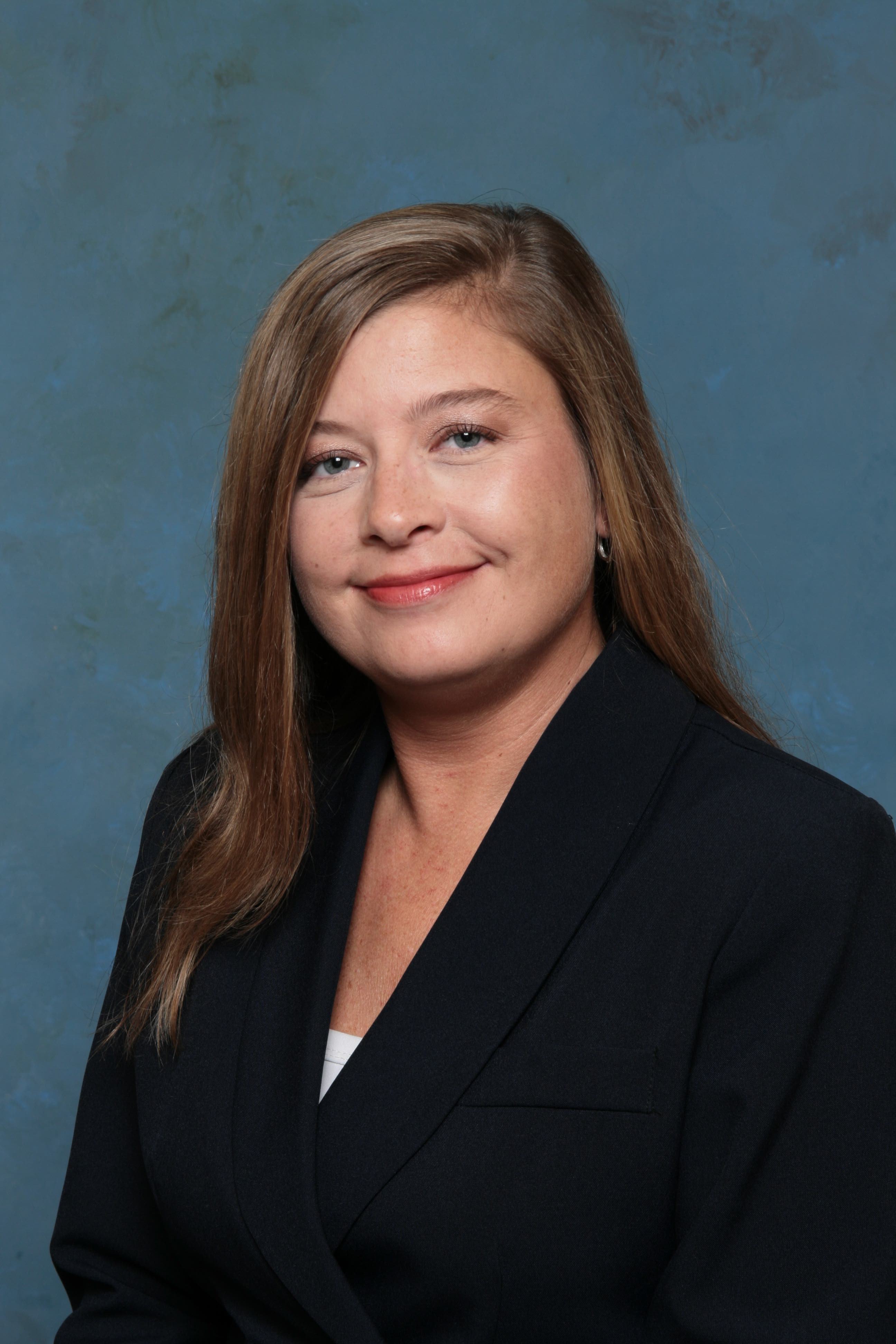
Cheri Breeding ABOUT CHERI BREEDING: Since 2005 Cheri Breeding has been working as the Director of Production for Outskirts Press. In that time, she has been an instrumental component of every aspect of the Production Department, performing the roles of an Author Representative, Book Designer, Customer Service Representative, Title Production Supervisor, Production Manager and, Director of Production. She brings all that experience and knowledge, along with an unparalleled customer-service focus, to help self-publishing authors reach high-quality book publication more efficiently, professionally, and affordably.

Copyediting 101

You’ve spent weeks, months and maybe even years working on your book. You’ve read and revised the manuscript several times. Now it is ready for publication, right? Wrong. No matter how good of a writer you are or how many times you’ve proofread and revised your book, you need to consider professional copyediting if you want your book to be taken seriously. Here are three reasons why.

1) Copyediting is More than Proofreading

Most books are expected to adhere to the Chicago Manual of Style guidelines. (There are other styles  for certain books such as medical or scientific books.) The Chicago  Manual of Style has specific guidelines on everything from numbers to hyphens to spellings. The most important style issue is consistency. For instance, if you use the word “e-mail” in chapter one, you can’t later spell it as “email” in chapter six. While proofreaders can find obvious errors such as spelling mistakes or typos, they don’t find the larger errors a copyeditor looks for.

2) It is Almost Impossible to Edit Your Own Work

Sure, you can read your work several times and find mistakes, but most authors cannot thoroughly edit their own work. This is because you are so familiar with your manuscript that you look over mistakes a new set of eyes would find. Also, you may not have the skills needed to perform a copyedit. Copyeditors are considered professionals for a reason.

3) A Flawed Book Won’t be Taken Seriously

Yes, even books published by top publishing houses and well-known authors occasionally have errors. It is impossible for every writer and every editor to always catch every error, but professional books are almost 100% error free. If your book is riddled with errors, no one will take your book seriously. You will be subject to the harsh criticism that sometimes surrounds self-published authors. Prove to your readers and your critics that you value your book and you are a professional by hiring a professional copyeditor to review your book before publication.

If you are interested in hiring a professional copyeditor, find out what services are available through your self publishing company. You can also find professional copyeditors online or ask writer friends to recommend a copyeditor they have used.

I’d love to know, do you plan on hiring a copyeditor?

ABOUT WENDY STETINA: Wendy Stetina is a sales and marketing professional with over 30 years experience in the printing and publishing industry. Wendy works as the Director of Author Services for Outskirts Press. The Author Services Department is composed of knowledgeable customer service reps and publishing consultants; and together, they all focus on educating authors on the self-publishing process in order to help them publish the book of their dreams. Whether you are a professional looking to take your career to the next level with platform-driven non-fiction, or a novelist seeking fame, fortune, and/or personal fulfillment, Wendy Stetina can put you on the right path.

I’ve Hired an Editor – Will My Book Be Perfect?

Today’s post was written by professional copyeditor, Joan Rogers.

When authors are deciding whether to purchase copyediting services, the question is sometimes asked: “Will my book be perfect when you’re done?”

The answer is no, it won’t be perfect. But it will be greatly improved. Authors who see my copyediting samples are often amazed that a small, randomly selected portion of text – a thousand words or fewer – will have dozens of style errors. This doesn’t mean that the author isn’t a good writer; storytelling, pacing, dialogue, and character development are skills and talents separate from knowing the exact usage of a semicolon. But it is the case that technical and style errors can be distracting to a reader. In the case of nonfiction, errors can undermine the writer’s authority, particularly if the text is educational or informational.

Is it possible to achieve a perfect book? Probably not. It’s useful for writers to know that a once-through edit will not catch all errors. This is true regardless of the editing service used; when a book is published with a traditional publisher, it usually goes to a copyeditor, and then to a proofreader. Even with this, extant errors are common in published books; I saw several in Jonathan Franzen’s Freedom, one of the major releases in literary fiction last year.

I work on a large number of manuscripts that have already been edited once by professional editors prior to being submitted to me, and I still find errors. This is not because the original editor didn’t do a good job; it’s reflective of the fact that editing and proofreading are two parts of a process.

Joan Rogers ABOUT JOAN ROGERS:
Joan Rogers has provided services as an Author Representative and Editor for Outskirts Press since 2008. She studied at Oberlin College Conservatory. She also edits for several academic and scientific researchers at UC Berkeley, as well as for a nationally known journalist. She brings all that experience and knowledge, along with an unparalleled customer-service focus, to help self-publishing authors reach high-quality book publication more efficiently, professionally, and affordably.