Conversations: 6/9/2017

WRITE THEIR STORIES:

Developing the Biography, Part II

WHEN I became interested in writing Biographies (sometimes called Memoirs) I had no idea how to find a client who wanted their stories told. So I filed away the best idea resources I’d collected for that genre and got busy writing other projects. About a year later I received a phone call from the editor of a small newspaper. I’d sent a brief “thank you” note to her applauding their cover story about a local woman linotype operator and how a neighbor was helping her write a book about her life. This editor informed me that my note would appear in their “Letters to the Editor” column the following month. She would also be including my business website and contact information because “we need more people like you who will help folks write their life histories.” WOW! Such a nice surprise; it still warms my heart when I recall the exchange.

That one contact led to eleven (11) queries. Although only one became an actual client that year, I am forever grateful for being nudged into the biography-autobiography-memoir writing business. Until you’ve experienced it yourself, it is difficult to understand the depth of joy and satisfaction it brings to the “writing assistant.” And, that is what we become: writing coach and editor, research assistant, creative storyteller, hand-holder and friend/brother/sister/counselor.

SO…how do you set yourself up as a writer of biographies?

I much prefer the personal contact avenues—as you might guess from the example above. However, if you’ve considered writing “for” other people, you’ve probably created a website and may be a member of one or more Facebook writing communities. Other ideas are:

  • Research FREELANCE WRITING sites where you can submit your resume for FREE.
  • Consider your own interests while asking yourself “What makes a person famous enough to make the effort to write a biography?” Do you have biographies on your bookshelf? I have several biographies of authors I admire. Is there an author you admire who doesn’t have a biography (or autobiography) out in the world yet? Might be worth it to contact them.
  • Look at a variety of Literary Agencies that specialize in biographies (or other genres you enjoy). If you’ve ever talked with an agent, you already have an idea how many queries they receive from people who need help. Send them your resume with an excellent cover letter.
  • Check out your favorite traditional and self-publishers and query them about becoming part of their ghostwriting team. You will need to read every word in their “contractor agreements” then decide for yourself if that is what you want. They are an excellent resource because people who need professional writing assistance will contact their favorite publisher for advice.

IF you are just beginning to test the waters of biography writing, you may need that surprise one-on-one meeting that leads to signing a client. Someone recently mentioned to me that they found their first biography client in a college library. The peaceful and intellectually stimulating environment allowed her to become acquainted with several staff librarians and one of them handed her the contact information for someone “needing help to write their grandfather’s biography.”

For me, biography/memoir writing is a very personal experience. It is the respect we have for the individuals we write for that makes the pages come alive. Our lives will be quite different than those we’re writing about and it’s critically important not to “put a modern-day spin” on what they’re sharing. Through this process we become better writers and—I believe—better human beings. As you connect with each new biography client, may the leather of their shoes and the ground along their path bless you with new insights. ⚓︎

writing poetry in the woods, national poetry month 2016


Royalene

ABOUT ROYALENE DOYLE: Royalene has been writing something since before kindergarten days and continues to love the process. Through her small business—DOYLE WRITING SERVICES—she brings more than 40 years of writing experience to authors who need “just a little assistance” with completing their projects. This is a nice fit as she develops these blogs for Outskirts Press (OP) a leading self-publisher, and occasionally accepts a ghostwriting project from one of their clients. Her recent book release (with OP) titled FIREPROOF PROVERBS, A Writer’s Study of Words, is already receiving excellent reviews including several professional writer’s endorsements given on the book’s back cover.

Royalene’s writing experience grew through a wide variety of positions from Office Manager and Administrative Assistant to Teacher of Literature and Advanced Writing courses and editor/writer for an International Christian ministry. Her willingness to listen to struggling authors, learn their goals and expectations and discern their writing voice has brought many manuscripts into the published books arena.
Conversations: 6/6/2017

{{ Normally, we publish Royalene’s posts on Friday mornings. Last week, we made a clerical error, and will be doubling up for the week. Look for Royalene’s next post on Friday! }}

WRITE THEIR STORIES:

Developing the Biography

Just a few days ago I sat on a bench with one of my neighbors who—with exuberant animated arm gestures—told me how much she enjoyed the biography she’d just finished reading. Her instant replay of one of the events in that “real” person’s life made me realize (once again) how much we human beings can learn from the journeys experienced by those who have walked this life before us. Even though I’m listening to my husband’s deep sighs (as he wonders where we’ll find room for more books on our shelves) I’ve now ordered several new biographies. “No worries,” said I to Hubby, “these books will inspire me to write better.” I believe your biography selections will inspire you, too.

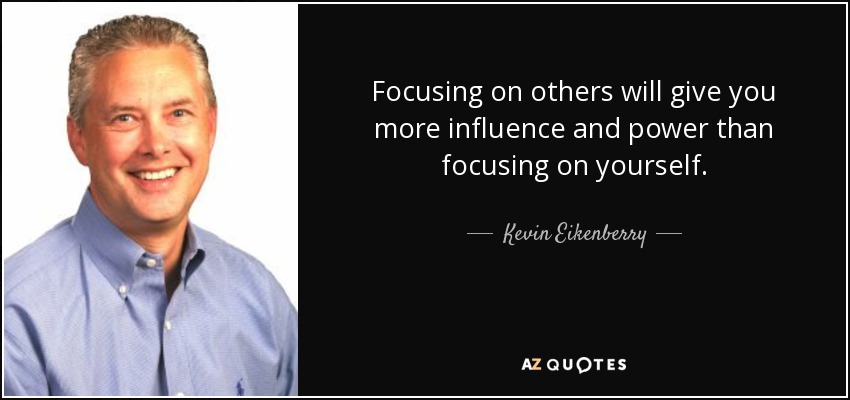
As I continued my research in biography writing, I came across a blog by Kevin Eikenberry who wrote about why Readers are gobbling up biographies (and autobiographies). His thoughts also tell writers why it is a good idea to be writing them. Here are my paraphrased points of his main thoughts…

  • We Benefit From Seeing Into The Past. In the 1670’s Sir Isaac Newton gave us this memorable quote: “If I have seen further, it is by standing on the shoulders of giants.” Newton—and every other academic—could not succeed in their careers without reading about the lives (actions and events) of people who had previously achieved various elements they searched to understand.
  • Biographies Give Us Clear Timelines Of Repeat Events. In 1905, George Santayana wrote “Those who cannot remember the past are condemned to repeat it.” This statement is as true today as it has been throughout human existence. The biography that demonstrates the consequence of actions and choices made by others will at least give us the opportunity to consider different options.
  • The Biographical True Story Is A Tool for Self-discovery. Readers discover ideas and approaches to life through the stories and experiences of others. When biographies are developed with the techniques of fiction writing, many discover that the learning process is often far more satisfying. It is also more lasting and instructs us in behaviors that are things we don’t want to do—ever.
  • Different Perspectives Inspire Us. Step away from your favorite genre or profession and pick up a biography about someone who exists “outside” your way of thinking. Most great innovations come from taking an idea from one situation, discipline or industry and adapting it to another.

Eikenberry makes one more statement that has greatly encouraged me as a writer: “Reading a great biography (or autobiography) can be as exciting as your favorite thriller, provide more valuable and useful [life] lessons…and offer more professional development wisdom than you can likely apply.”

As I work toward being the best writer/author I’m capable of being, I now plan to add—and read—multiple biographies of authors I admire, as well as historic figures like Abraham Lincoln, Harriet Jacobs, Samuel Clemens, Maya Angelou, C.S. Lewis and others. I will listen carefully to their voices hoping to share their wisdom within the pages of my to-be-written manuscripts.

So, how many book concepts are waiting in the wings of your imagination today? Pausing to read a biography or autobiography may just flesh out those ideas for you! Go for IT! Read! Write! Publish. The whole process will bring you great joy! ⚓︎

Kevin Eikenberry


Royalene

ABOUT ROYALENE DOYLE: Royalene has been writing something since before kindergarten days and continues to love the process. Through her small business—DOYLE WRITING SERVICES—she brings more than 40 years of writing experience to authors who need “just a little assistance” with completing their projects. This is a nice fit as she develops these blogs for Outskirts Press (OP) a leading self-publisher, and occasionally accepts a ghostwriting project from one of their clients. Her recent book release (with OP) titled FIREPROOF PROVERBS, A Writer’s Study of Words, is already receiving excellent reviews including several professional writer’s endorsements given on the book’s back cover.  

Royalene’s writing experience grew through a wide variety of positions from Office Manager and Administrative Assistant to Teacher of Literature and Advanced Writing courses and editor/writer for an International Christian ministry. Her willingness to listen to struggling authors, learn their goals and expectations and discern their writing voice has brought many manuscripts into the published books arena.

Conversations: 5/26/2017

WRITE YOUR CHILDREN’S BOOK TO INSPIRE!

Recently I was inspired by a famous news commentator who said, “Even though our world seems to be more than fifty percent influenced by hate—by evil—it is up to us to talk about and write about the good, ethical and moral things of life. Our children need to know—must know—their futures are bright.” This television news celebrity was speaking to my small group of writers and sharing some amazing (really miraculous) things that have happened in her life—demonstrating just how much power she/we have in the words we choose to “broadcast.”

At the next writers’ workshop each of us still felt her passionate message and agreed that no matter what project we were developing, somewhere—some way—we would include something to inspire our readers. So it is today that I’ve selected two books to demonstrate inspired writing. The first is a recently published children’s book and the second is a classic novel that bridges the juvenile/young adult/adult categories.

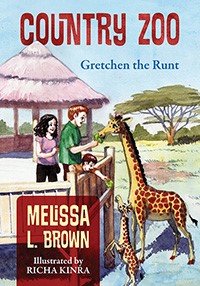
Melissa Brown just released her book, COUNTRY ZOO: Gretchen the Runt, in Februarycountry zoo melissa brown this year. A baby giraffe has just been born and joined the other giraffe’s in their outdoor enclosure. She’s been named Gretchen and it’s quite obvious that she’s smaller than normal. She can’t reach the tastiest leaves to eat or play games that the big animals play. She doesn’t like being small at all! In time, she grows bigger and new adjustments must be made.

There are wonderfully insightful comparisons made in this story to help children understand a few of the complexities life gives us all—when we are different. You will appreciate the humor and heartwarming compassion used to teach children (and parents) to value themselves and appreciate the special person(s) we are.

I predict this little picture book will become a favorite “keepsake” story in every home because: (1st) it is so well written and, (2nd) because it inspires parents and children in tandem. Thank you, Melissa Brown, for giving future writers such an excellent example and for donating a portion of your royalties to The Pacer Center to prevent bullying of children and teens.

My classic novel example is SHOELESS JOE (1982) by W. P. Kinsella, a Canadian author who inspired Readers with “…his own brand of magic realism, comic sense, sentimental and sometimes edgy” writing style” (V. Sayers, Professor of English, Notre Dame).

  • As a writer, I immediately loved two things about this novel. First, the author named the main character after himself—well, the last name, anyway. Second, the author writes in his own search for writing support and inspiration as the main character goes in search of the reclusive (real) writer J. D. Salinger. (Today we can “talk” with most of our favorite author’s via websites, Facebook messaging, etc.) BIG point to remember: if you must give someone’s real name in your book(s), be sure you have their written and signed permission.
  • Then I learned that Kinsella wrote his first draft while attending a writers’ workshop in Iowa! WOW! What a great environment! If you’ve ever been to a week or weekend retreat with other writers you already know how inspiring that dynamic energy can be.
  • In 1989 this book became a movie—FIELD OF DREAMS. The screenplay was tweaked a bit here and there, but the basic story is all there. And, they changed the “reclusive” author’s name to Terence Mann who delivered this great quote: “I want them to start thinking for themselves!” (Isn’t that what we want for all our children—to think clearly enough for themselves that they will not fall prey to those who would lead them into trouble?)

May all your writing adventures be inspired, my friends, and when you’ve come to THE END of the story, GET IT PUBLISHED. Let’s make this world a better place for our children! ⚓︎


Royalene

ABOUT ROYALENE DOYLE: Royalene has been writing something since before kindergarten days and continues to love the process. Through her small business—DOYLE WRITING SERVICES—she brings more than 40 years of writing experience to authors who need “just a little assistance” with completing their projects. This is a nice fit as she develops these blogs for Outskirts Press (OP) a leading self-publisher, and occasionally accepts a ghostwriting project from one of their clients. Her recent book release (with OP) titled FIREPROOF PROVERBS, A Writer’s Study of Words, is already receiving excellent reviews including several professional writer’s endorsements given on the book’s back cover.  

Royalene’s writing experience grew through a wide variety of positions from Office Manager and Administrative Assistant to Teacher of Literature and Advanced Writing courses and editor/writer for an International Christian ministry. Her willingness to listen to struggling authors, learn their goals and expectations and discern their writing voice has brought many manuscripts into the published books arena.

Conversations: 5/19/2017

WRITE YOUR CHILDREN’S BOOK TO TEACH!

Teaching is IN my DNA. I also believe it is in the DNA of every author. Last week I wrote about developing messages of encouragement in our Children’s books utilizing themes that, while reinforcing good qualities, also teach our young readers “how-to” cultivate habits that will benefit them throughout their whole lives. It is my premise today that Teaching and Encouraging need to be synonymous purposes at the core of our children’s books. The inquiring minds of our children need to be exposed to only the best of content and quality writing techniques.

So it is that first, I’ll offer a couple of websites to writers who will take their writing gift seriously enough and go the extra mile to research what is currently perceived as the best quality of Children’s, Juvenile and Young Adult books on the market. The following Parent’s websites, are created to “clue us in” to what our children find on bookshelves and online bookstores today.

http://www.scholastic.com/parents/resources/article/guides-to-reading/parent-guide-to-book-genres-fantasy Here I found an excellent combination of classic and current book titles as well an several well-thought-out discussion points that will help me discuss stories with my grandchildren. It also leads to other parts of the Scholastic site for further research.

https://www.commonsensemedia.org This site offers “practical tips for parents of exceptional readers” to help parents (and teachers—and writers) find age-appropriate books to challenge and engage the “thinking” reader.

THEN we have the book: The New York Times Parent’s Guide to the Best Books for Children. The 3rd revised edition was released in 2000, and the 4th should be coming out any time now. However, the information available in this one is well worth having at your fingertips because it is organized in six sections according to reading level: Wordless, Picture, Story, Early Reading, Middle Reading, and Young Adult.

IF you’re writing in the Juvenile/Young Adult genres, you already know that the task of creating a quality story—that sells—is a challenge. Today’s youth appreciate very different worlds from the adventures of western lawmen or the deep jungle exploits of Tarzan or the daring explorations of sci-fi heroes like John Carter. Here are a few threads that connect past writing successes with current Reader-expectations:

  • Hidden Treasure: The intrigue of unknown wealth continue to draw the attention of Readers.
  • Surprise Discoveries: Whether the surprise comes in the form of dragons, or elves or giants, young readers will come back for more.
  • Family and Friends: Juvenile and young adult readers are trying to figure out how these relationships work. Give them excellent examples.
  • Develop REAL characters in REAL situations—even if the world they’re living in is a fantasy planet. This will give your Readers the opportunity to “step into the pages” of the story and (again) figure things out (maybe in their real lives) for themselves.

RESEARCH AND REMEMBER WHO ARE READERS ARE. We’re writing for our neighbor’s grandchildren who spend a lot of time in virtual words (online or purchased video games) where the “action” is extremely fast-paced and almost anything can (does) happen. However, these same children are also going to school and studying fractions. The stories we write for them can (should) help them balance their lives and prepare them for adulthood⚓︎

children's picture books
Children reading a book sitting on the roof of the house. Boy and girl reading by the light of a flashlight at night.

Royalene

ABOUT ROYALENE DOYLE: Royalene has been writing something since before kindergarten days and continues to love the process. Through her small business—DOYLE WRITING SERVICES—she brings more than 40 years of writing experience to authors who need “just a little assistance” with completing their projects. This is a nice fit as she develops these blogs for Outskirts Press (OP) a leading self-publisher, and occasionally accepts a ghostwriting project from one of their clients. Her recent book release (with OP) titled FIREPROOF PROVERBS, A Writer’s Study of Words, is already receiving excellent reviews including several professional writer’s endorsements given on the book’s back cover.  

Royalene’s writing experience grew through a wide variety of positions from Office Manager and Administrative Assistant to Teacher of Literature and Advanced Writing courses and editor/writer for an International Christian ministry. Her willingness to listen to struggling authors, learn their goals and expectations and discern their writing voice has brought many manuscripts into the published books arena.

Conversations: 5/12/2017

WRITE YOUR CHILDREN’S BOOK TO ENCOURAGE!

Today I’d like to bring in concepts about THEME within the genre of Children’s Books.

LITTLE BLUE TRUCK by Alice Schertle was my youngest grandson’s favorite books since he could crawl to his box of books and select one. The writing of it and the illustrations (by Jill McElmurry) follow the pattern of Keep it simple, Keep it focused, Keep it moving to a Tee. It was first published in 2008 and listed in the genres of “ages 4-8” and “baby, pre-school.” THE THEME centers on being a good friend. Sometimes being a friend is easy and fun. Sometimes it’s not. Willingness to try being a friend is always a good thing to do and often helps make new friends. Every time I read this Little Blue Truck adventure to my grandson, I (me—the adult) am encouraged to work on my own friendship skills and behaviors. Yes, indeed, this book will forever be part of my library!

SO…what was/is your favorite children’s book? When I ask writers this question many reply with titles like Bambi, and Dumbo, and Lassie, with words that come out sounding like they are cuddling with a Teddy Bear. They are remembering the Little Golden Book Classics now being passed forward to their grandchildren—each story encouraging Readers to be a good friend, help the helpless, be willing to ask for help, and always come home.

These authors wrote a positive message into their stories while opening the world a bit wider for young Readers—demonstrating good ways to respect people who are different that “us,” how to appreciate the world (from backyard to forest) and how to handle the death of loved ones. STORY combined with beautiful, eye-appealing illustrations can deliver these theme messages while nurturing and encouraging every Reader—whatever their age or “season” of life.

Recently I was introduced to a new children’s book titled: COUNTRY ZOO by Melissa Lcountry zoo melissa brown. Brown. It is 24 pages of an encouraging story about Gretchen the Giraffe. (Who doesn’t love giraffes?) The book is listed in the genre of Juvenile Fiction which places it in the middle school to young adult category. However, I will definitely be reading it to my kindergartener. The THEME: Bullying.

You see, Gretchen was born small—and called the “runt.” Being small is a natural challenge because she can’t reach the sweetest leaves to eat or play the games the bigger giraffe’s play. As she grows, she becomes bigger than the others and faces a whole new set of problems. What happens to Gretchen?  Sorry, you’ll have to read the book for yourselves.  I will tell you, though, that you’ll fall in love with Gretchen—AND—when you review the Keep it simple, Keep it focused, Keep it moving pattern of her story you’ll have an excellent outline sample to help you develop your own story(s).

Takeaway for today: WRITE YOUR CHILDREN’S STORY THE WAY IT NEEDS TO BE TOLD and the genre category of Readers/age group will find it! The old saying that “I wish I had a nickel for” every time I’ve re-read a children’s book and found encouraging words to soothe my spirit, is often repeated in my writing workshops. Recently I added these basic themes to my list of future books to write: Encourage children to Play; to Respect others; to Listen; to Talk about their feelings; to Be a Good Example everywhere, especially at school; to Thank God every night, for everything.

If any of these topic/themes resonate with you—GO FOR IT! Write that book! Get is Published! And send me a copy! ⚓︎


Royalene

ABOUT ROYALENE DOYLE: Royalene has been writing something since before kindergarten days and continues to love the process. Through her small business—DOYLE WRITING SERVICES—she brings more than 40 years of writing experience to authors who need “just a little assistance” with completing their projects. This is a nice fit as she develops these blogs for Outskirts Press (OP) a leading self-publisher, and occasionally accepts a ghostwriting project from one of their clients. Her recent book release (with OP) titled FIREPROOF PROVERBS, A Writer’s Study of Words, is already receiving excellent reviews including several professional writer’s endorsements given on the book’s back cover.  

Royalene’s writing experience grew through a wide variety of positions from Office Manager and Administrative Assistant to Teacher of Literature and Advanced Writing courses and editor/writer for an International Christian ministry. Her willingness to listen to struggling authors, learn their goals and expectations and discern their writing voice has brought many manuscripts into the published books arena.