Save $200 When Self-Publishing With Outskirts Press This 4th of July

If you have been considering self publishing, now is the perfect time!  In honor of the July Fourth holiday, authors ordering their publishing package from Outskirts Press before July 5th can receive a twenty percent discount on each of two top-of-the-line publishing packages: the Diamond and Pearl package.

The promotion code is JULY42012, and the deadline is July 5, 2012. Happy 4th of July!

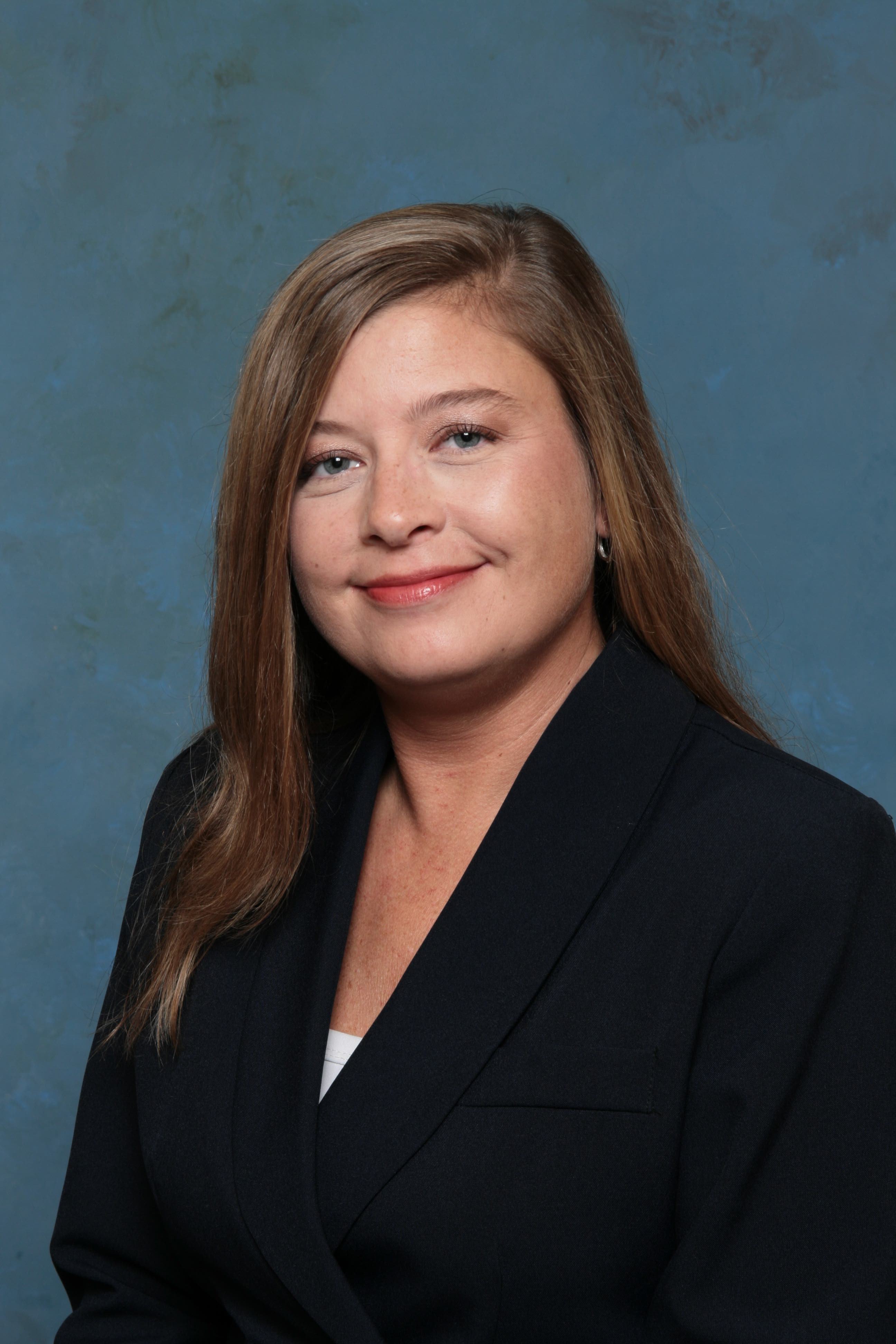
ABOUT JODEE THAYER: With over 20 years of experience in   sales and management, Jodee Thayer works as the Manager of Author Services   for Outskirts Press. The Author Services Department   is composed of knowledgeable customer service reps and publishing consultants;   together, they all focus on educating authors on the self-publishing process in order to help them publish the   book of their dreams. Whether you are a professional looking to take your   career to the next level with platform-driven non-fiction or a novelist   seeking fame, fortune, and/or personal fulfillment, Jodee Thayer can put you   on the right path.

The Benefits of Self-Publishing

Many aspiring authors find themselves debating whether they should self-publish or attempt traditional publishing. While both methods have pros and cons, there are many benefits to self-publishing. Here are the most common benefits of this growing publishing trend.

  • You have freedom of expression — you write your own words. You don’t have to change what you’ve written to please an editor, agent, or commercial audience.
  • You control how your book looks — everything from the cover to the interior formatting is in your hands.
  • You set your own price it can be as low or as high as you would like.
  • You receive 100% of your royalties — there’s no middleman stealing your profits, so you earn more per book than you would with traditional publishing.
  • You can review your  interior and cover proofs before publishing — if you misuse spaces or hard returns in your manuscript, it may mess up the layout of your book. However, you have the opportunity to review your proofs for these issues before they are sent to the printer.

It wouldn’t be fair to share the benefits of self-publishing without also discussing the potential downfalls. Here are some of the cons of this publishing option.

  • No one critiques your manuscript — how can you be sure your book is interesting and complete? If you want someone else’s opinion, you will need to hire a professional.
  • You don’t have to edit your manuscript — a messy manuscript turns into a poorly written book that very few people (if any) will want to read. Too many self-published authors choose not to pay for editing because it isn’t required. However, if you want your book to be taken seriously, a professional editor is worth every penny.
  • You control your book’s design — this is great if you’re a designer but not so great if you have limited graphic skills. Depending on your limitations and the complexity of your book, you may need to hire a designer or illustrator.

If you are a self-published author, I’d love to know what made you choose self-publishing. Feel free to share your stories in the comments section.

Cheri Breeding ABOUT CHERI BREEDING: Since 2005 Cheri Breeding has been working as the Director of Production for Outskirts Press. In that time, she has been an instrumental component of every aspect of the Production Department, performing the roles of an Author Representative, Book Designer, Customer Service Representative, Title Production Supervisor, Production Manager and, Director of Production. She brings all that experience and knowledge, along with an unparalleled customer-service focus, to help self-publishing authors reach high-quality book publication more efficiently, professionally, and affordably.

3 Things that are Wrong with Your Book Marketing Plan

If you’re following the advice that you find on every site that talks about marketing a self-published book, you have already created a book marketing plan. From this, you may have tried to use various marketing methods (i.e. virtual book tours, book signings, etc.). However, your sales statistics aren’t showing any signs of improvement.

How could this be? You are following every piece of advice you have received to the letter. It may be that your book marketing plan’s structure is, in fact, costing you sales. This is actually a fairly common problem among self-publishing authors.

Here are a few ways that your book marketing plan is working against you:

  1. You haven’t clearly defined your target market. When you wrote your first book, you knew that everyone would love it. It would make you the talk of the town (or maybe even the talk of the nation or globe). It would be the “it” book that everyone would want to read. That’s a Book Marketing Planrather lofty goal. Even the most successful authors (Stephen King, Stephanie Meyer, etc.) aren’t able to reach EVERYONE with their books. That’s fine for them, though. They have developed a very loyal audience of readers who are committed to them and their books. That’s the type of audience you want to seek out. Figure out who will love your books and focus on marketing to them. If you don’t, you may find yourself wasting quite a bit of effort attempting to turn someone who loves horror books into a romance novel lover.
  2. You don’t know what differentiates your book from the other books available to your target market. Can you tell me why your book is better than any other book on the market? Is there a lesson taught in your book? Are your characters easier to relate to? There has to be a reason why I want to read your story about vampires versus reading Twilight. Find out what makes your book special and use that as your unique value proposition.
  3. You don’t update your book marketing plan on a regular basis. The book marketing industry, like any other, is changing rapidly. If you don’t keep your plans up to date, you can easily become irrelevant. I recommend that authors review and update their book marketing plan at least once per year.

Have you been making any of these mistakes? How did you bounce back to have a book marketing plan that “sticks”?

Elise Connors ABOUT ELISE L. CONNORS:
Elise works as the Manager of Author Support of Outskirts Press.  She also contributes to the Outskirts Press blog at blog.outskirtspress.com. Elise and a group of talented book marketing experts assist not only published Outskirts Press authors, but also all authors and professionals who are interested in getting the best possible exposure for their book.

8 Ways for Authors to “Be” More Successful Bloggers

Many book marketing experts are advocates for blogging. I personally believe that having your own blog allows you to connect with your audience in ways that authors never experienced in the past. It is entirely possible to blog your way to more book sales. Quite a few authors, however, start blogging but give up early on. Why do they do this? More often than not – they are seeking instant gratification of some sort. While a blog has the potential to be a very effective book marketing tool, it can only be as successful as its writer.

So, how can writers market themselves using this sometimes inconspicuous tool?

  1. Be consistent. Many author blogs fail because the author never returns to update them (or does so on a very inconsistent schedule). You must choose a blogging schedule that works for you and stick with it. Even if you are only blogging once per week, stick to that and your visitors will know when to come back for more content.
  2. Be factual. Many times it’s necessary to conduct a bit of research to ensure the information you are posting to your blog is correct. Bloggers are not exempt from the rules of plagiarism, so you if are using someone else’s work, be sure to cite your sources.
  3. Be epic. You should begin every blog post with the goal of writing something that people will love. It should be something they want to share with their family and friends. To determine whether your content is “epic”, use the “Did you see that?” test. Summarize your blog post and try asking yourself (aloud): “Did you see that post about ____ (insert your summary here)?” If it doesn’t sound interesting to you, it’s not worthy of posting to your blog.
  4. Be interactive. When people comment on your blog, reply to them. You should aim to answer every blog comment. As your blog grows, this may not be feasible, but you should stay focused on doing this in the beginning.
  5. Be patient. This is perhaps the most important tip of all of these because the most successful bloggers (authors or otherwise), have to have a great deal of patience. Many times bloggers “talk to themselves” for months before they get even one comment on their blog. This is the time period that most blogs fail. In order to see any success from your blog, you must be able to stick with it.
  6. Be diligent. Make sure to proofread your posts before you publish them. Blatant grammatical/spelling errors can turn readers off of your blog. Keep the readers that take the time to visit your site by double checking your work for mistakes.
  7. Be savvy. Schedule your blog posts. If you know you won’t be available when you normally publish content, use the scheduling feature (if available) of your blogging platform to write the post in advance while sticking to your original schedule.
  8. Be friendly. Two ways you can increase your blog’s traffic are: linking to another blogger’s post within your content (they will likely get notification of this and visit your blog in return) and commenting on other blogger’s blog posts.

What other ways should you “be” to have a more successful blog?

Elise Connors ABOUT ELISE L. CONNORS:
Elise works as the Manager of Author Support of Outskirts Press.  She also contributes to the Outskirts Press blog at blog.outskirtspress.com. Elise and a group of talented book marketing experts assist not only published Outskirts Press authors, but also all authors and professionals who are interested in getting the best possible exposure for their book.

Does Offering An Online Preview of Your Book Devalue It?

Earlier today, I was reading through old emails, and I found one sentence from an author that intrigued me. She said, “Sharing too much minimizes the impact of my book.” This ignited many thoughts, but mainly I thought about content marketing and how effective it can be (and has been for many people). I also began to wonder why authors feel the need to hold out on “free” content to get book sales. The author’s book is available online only, and she was expressing concerns about her book’s availability on Amazon’s Search Inside the Book. I was trying to show her the value of that extra visibility, and she was fighting me tooth and nail on it.

Here a few key reasons why every author should consider making their book available for online preview:

  1. Your reader may not know you. Unless your book has been recommended to them, what reason do readers have to trust you? This is especially true if you are a new self-published author.
  2. The reader may know you but may not be too sure about the content of your book. In your eyes, your book is gold. You know you’ve created the perfect book that everyone should want to read. The question is, will everyone feel the same way? Or worse yet, how will they know what to think of your book if they can’t at least take a peek.
  3. The “real” bookstore experience is lost online. People can’t skim the pages of a book to see if they may enjoy its content – unless you have a preview for your book. Giving readers the option to glance over your book’s content first helps them get a feel for your work and can work to ease the pain of opening the pocketbook.

So, with all of these benefits, why was she so opposed to Search Inside? She was afraid that people wouldn’t buy her book because the preview would reveal too much. She felt her written word was as good as gold, and as such, people should pay a fair price for access. It’s good that she takes pride in her work, but this line of thinking can turn buyers away – especially in the case of nonfiction books.

Think of it this way – would you buy an item from a store that doesn’t have a return policy if their price was comparable to a store that does have a return policy? Possibly – but more often that not, most people will put more trust in the store that does offer a return policy. Consider offering a return policy for your book so that you can instill a little bit of faith. I assure you that unless you share the entire book online, people will still buy your book after reading the preview if they’re interested. Remember – you can’t go wrong with content marketing.

What are your thoughts on sharing your book with readers before they commit to buying it?

Elise Connors ABOUT ELISE L. CONNORS:
Elise works as the Manager of Author Support of Outskirts Press.  She also contributes to the Outskirts Press blog at blog.outskirtspress.com. Elise and a group of talented book marketing experts assist not only published Outskirts Press authors, but also all authors and professionals who are interested in getting the best possible exposure for their book.