Famous Self-Published Authors: Mark Twain

At some point in your education, you probably had to read Adventures of Huckleberry Finn by Mark Twain, but did your English teacher ever tell you that the famous novel was originally self-published? Mark Twain reportedly self-published the novel in 1885, selling over 40,000 advanced copies before the publication date. When his book was banned by a public library in Massachuset, his book sales shot up.  Today, there are more than 150 American editions of the novel, and 200,000 copies are sold each year.

The next time someone says that self-publishing is not real publishing or remarks that self-published books are of poorer quality than traditionally published books, tell them that Mark Twain not only sold millions of copies of a self-published book, but he became one of the most well-known and respected names in American literature.

Self-published books are just as reputable as traditionally published books. Not convinced? Check back each month for my post on a famous self-published author. You may be surprised by the names on the list.

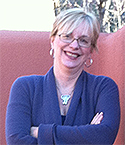
ABOUT WENDY STETINA:
Wendy Stetina is a sales and marketing professional with over 30 years experience in the printing and publishing industry. Wendy works as the Director of Author Services for Outskirts Press. The Author Services Department is composed of knowledgeable customer service reps and publishing consultants; and together, they all focus on educating authors on the self-publishing process in order to help them publish the book of their dreams. Whether you are a professional looking to take your career to the next level with platform-driven non-fiction, or a novelist seeking fame, fortune, and/or personal fulfillment, Wendy Stetina can put you on the right path.

Self-Publishing Weekly Book Review: The Strange Life of Walenty Karnowski

Book reviews are a great way for self-publishing authors to gain exposure. After all, how can someone buy your book if they don’t know it exists? Paired with other elements of your book promotion strategy, requesting reviews is a great way to get people talking about what you’ve written.

When we read good reviews, we definitely like to share them. It gives the author a few (permanent) moments of fame and allows us to let the community know about a great book. Here’s this week’s book review by Midwest Book Review:

The Strange Life of Walenty Karnowski

Gerald R. Schimidt

Publisher: Outskirts Press

ISBN: 9781432772260

Faith can be a wonderful thing, but at the same time, it is the catalyst for violence. “The Strange Life of Walenty Karnowski” delves into a conflict of 1842, where Catholics, Lutherans, and Jews go to a subtle war over those who worship evil in the forests of Poland.”The Strange Life of Walenty Karnowski” brings readers in without pulling any punches on faith, and the novel depicts what people do in the name of faith. This book is highly recommended.

8 Ways for Authors to “Be” More Successful Bloggers

Many book marketing experts are advocates for blogging. I personally believe that having your own blog allows you to connect with your audience in ways that authors never experienced in the past. It is entirely possible to blog your way to more book sales. Quite a few authors, however, start blogging but give up early on. Why do they do this? More often than not – they are seeking instant gratification of some sort. While a blog has the potential to be a very effective book marketing tool, it can only be as successful as its writer.

So, how can writers market themselves using this sometimes inconspicuous tool?

  1. Be consistent. Many author blogs fail because the author never returns to update them (or does so on a very inconsistent schedule). You must choose a blogging schedule that works for you and stick with it. Even if you are only blogging once per week, stick to that and your visitors will know when to come back for more content.
  2. Be factual. Many times it’s necessary to conduct a bit of research to ensure the information you are posting to your blog is correct. Bloggers are not exempt from the rules of plagiarism, so you if are using someone else’s work, be sure to cite your sources.
  3. Be epic. You should begin every blog post with the goal of writing something that people will love. It should be something they want to share with their family and friends. To determine whether your content is “epic”, use the “Did you see that?” test. Summarize your blog post and try asking yourself (aloud): “Did you see that post about ____ (insert your summary here)?” If it doesn’t sound interesting to you, it’s not worthy of posting to your blog.
  4. Be interactive. When people comment on your blog, reply to them. You should aim to answer every blog comment. As your blog grows, this may not be feasible, but you should stay focused on doing this in the beginning.
  5. Be patient. This is perhaps the most important tip of all of these because the most successful bloggers (authors or otherwise), have to have a great deal of patience. Many times bloggers “talk to themselves” for months before they get even one comment on their blog. This is the time period that most blogs fail. In order to see any success from your blog, you must be able to stick with it.
  6. Be diligent. Make sure to proofread your posts before you publish them. Blatant grammatical/spelling errors can turn readers off of your blog. Keep the readers that take the time to visit your site by double checking your work for mistakes.
  7. Be savvy. Schedule your blog posts. If you know you won’t be available when you normally publish content, use the scheduling feature (if available) of your blogging platform to write the post in advance while sticking to your original schedule.
  8. Be friendly. Two ways you can increase your blog’s traffic are: linking to another blogger’s post within your content (they will likely get notification of this and visit your blog in return) and commenting on other blogger’s blog posts.

What other ways should you “be” to have a more successful blog?

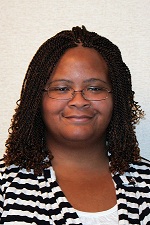
Elise Connors ABOUT ELISE L. CONNORS:
Elise works as the Manager of Author Support of Outskirts Press.  She also contributes to the Outskirts Press blog at blog.outskirtspress.com. Elise and a group of talented book marketing experts assist not only published Outskirts Press authors, but also all authors and professionals who are interested in getting the best possible exposure for their book.

FAQ About Copyrights

One of the most confusing topics for new authors is copyrights. I am constantly asked questions by new authors who want to avoid copyright infringements. Here are the questions I am most commonly asked.

Is my manuscript copyrighted when self publishing?

Yes, the copyright for your material was secured as soon as you created it, or when it became fixed in a manuscript for the first time. No publication, registration or any other official act is required to secure copyright.

If copyright is automatic, why should I register for a copyright?

Filing with the U.S. Copyright Office creates a public record of the basic information of your book, which gives you the ability to sue for infringement and statutory damages. Doing this creates a legal presumption that your copyright is valid and allows you to recoup up to thousands of dollars, and possibly attorney fees, without having to prove actual monetary harm.

 How do you know if something in your book is copyright protected?

 In most cases, any picture, material, text, information, quote, map, song, image or illustration that you personally did not create is copyright protected by the person(s) who created and/or published the material.  Any text or pictures found in a book, magazine or newspaper is copyright protected by the publisher, artist photographer or some other entity.  And yes, most information found on the internet is copyright protected.  For example, if you pull material from Wikipedia, it’s copyrighted by somebody.  Wikipedia is a non-profit site and therefore, can provide information without permission, but as an author using this information in your book, the original source must be contacted to obtain proper authorization to publish it for profit.

What is Fair Use?

Under “Fair Use,” some copyright protected material can be used without permission; however, there are no clear-cut rules, only guidelines and factors to be considered. Fair use is not a right, only a defense. If you are unsure, please consult a legal advisor or copyright researcher.

                The following four factors are used to determine fair use: 1) The purpose and character of the use, including potential gains for commercial 2) The nature of the original copyrighted work 3) The proportion or percentage of the copyrighted material in relation to the work as a whole 4) The potential effect on the value of the copyrighted material.

Will citing the source of the material free you from copyright infringement?

 No!  Citing the source will not avoid possible court litigation.  Permission must be obtained. 

How can I avoid being accused of libel?

Stating an opinion is not libelous, though it’s best to be careful not to make an accusatory statement about anyone when using real names. Do not make the following statements, as they are clear grounds for a libel case: Falsely accusing someone of a crime, or having been charged, indicted or convicted of a crime; falsely identifying someone with an infectious disease; falsely charging someone or an organization with a claim that discredits a business or office and lowers their profitability; and falsely accusing someone as being impotent. 

Seriously consider if you are self-publishing a book that reveals information that could damage someone, and consult with an attorney or copyright research firm.  If you are publishing a true story, I recommend that you change names and use a pen name when publishing. 

I would love to hear your other questions regarding copyrights, and perhaps, I can address them in future book posts.

 

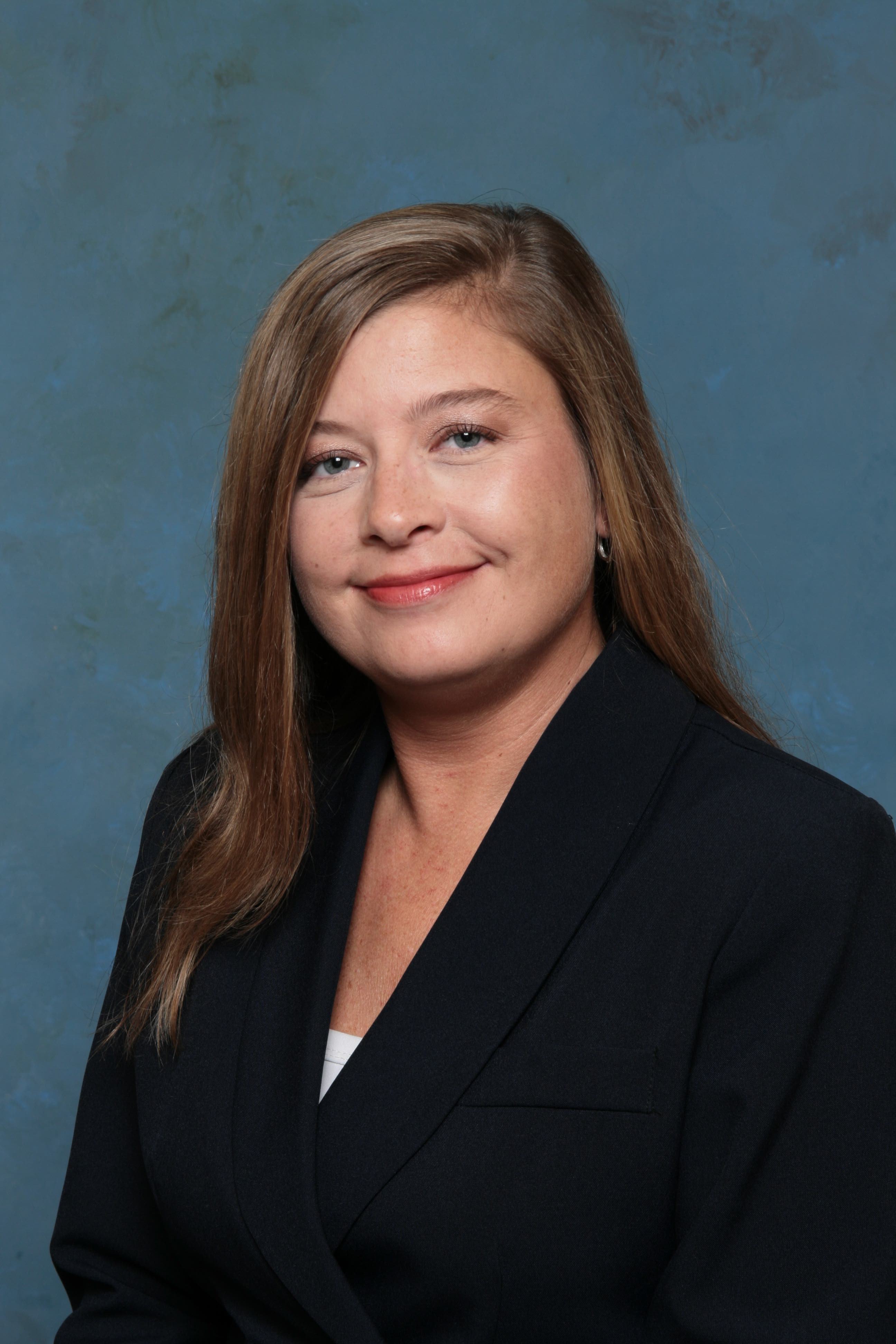
Cheri Breeding ABOUT CHERI BREEDING:
Since 2005 Cheri Breeding has been working as the Director of Production for Outskirts Press. In that time, she has been an instrumental component of every aspect of the Production Department, performing the roles of an Author Representative, Book Designer, Customer Service Representative, Title Production Supervisor, Production Manager and, Director of Production. She brings all that experience and knowledge, along with an unparalleled customer-service focus, to help self-publishing authors reach high-quality book publication more efficiently, professionally, and affordably.


Top 5 Reasons to Self-Publish in October

Has publishing your book been on your to-do list for months, or even years? Does your book always get pushed to the end of your to-do list because you are overwhelmed with work and home responsibilities? Are you one of those people who always finds a reason to wait? Well, wait no more. October is the perfect time to self-publish your book and begin your life as a published author. Here is why.

Complete Your 2011 News Year’s Resolution

When the clock struck 12 on January 1, 2011, did you vow to publish a book this year? Now that it is October, are you feeling guilty for not fulfilling that resolution? Well, if you self publish in October, your book will be complete by the end of the year. A high quality self-published book typically takes 6-15 weeks to complete. If you start now, your book will be done by the end of 2011.

Get a Head Start on Your 2012 Resolution

So maybe publishing wasn’t one of your resolutions last year, but you want it to be one of your resolutions next year. Why not get a head start, and start the self-publishing process now? This way, you can show off your new book in 2012 instead of rushing to publish before the year is over.

It’s A Great Time for Spooky Reads

Do you write horror or thrillers? Do you want to write a children’s book about Halloween? October is a great month to work on these projects. The cool air and pumpkin lattes at your favorite coffee shop can set the tone for a fall book and help motivate you to complete a great Halloween stories.

Avoid the Holiday Chaos

November through January are the busiest months for most people. You are scrambling around to shop for gifts, bake goodies and attend holiday parties. If you self-publish in October, you can start the process before you become consumed by twinkling lights and sugar cookies.

Mad Money

Throughout the month of October, Outskirts Press is running the Mad Money promotion. When you sign up for a Diamond or Pearl package, Outskirts Press will add $300 to your account. You can use the money towards any pre-production services such as a custom book cover or marketing solutions.

So what are you waiting for? Make October the month you made your dreams come true.

ABOUT WENDY STETINA:
Wendy Stetina is a sales and marketing professional with over 30 years experience in the printing and publishing industry. Wendy works as the Director of Author Services for Outskirts Press. The Author Services Department is composed of knowledgeable customer service reps and publishing consultants; and together, they all focus on educating authors on the self-publishing process in order to help them publish the book of their dreams. Whether you are a professional looking to take your career to the next level with platform-driven non-fiction, or a novelist seeking fame, fortune, and/or personal fulfillment, Wendy Stetina can put you on the right path.